Home Blog Page 42

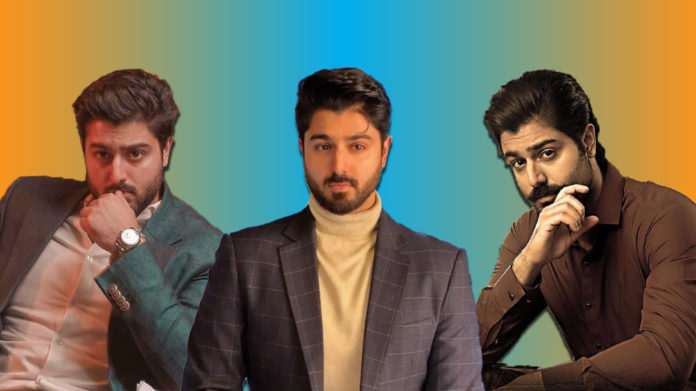
Is Zaviyar Nauman Ejaz Just a Product of Nepotism or More?

Zaviyar Nauman

The term nepotism exists in every profession but celebrities from the entertainment industry often become the prime victim of the star kids’ vs outsider’s debate. One can’t deny the former’s easy access to work, but the pressure to deliver and live up to the privilege is a constant.  

Zaviyar Nauman Ejaz, the son of actor Nauman Ejaz is often criticized as a product of nepotism. Zaviyar on record hasn’t dodged the debate of nepotism and is truthful in accepting his privilege, but has he done enough to justify the opportunities he is getting?

Zaviyar Nauman’s Debut & Performances

Zaviyar debuted on TV with a supporting role in ‘Qissa Meherbano Ka’ (2021). He was a shy novice as (Mehran) sharing the screen with big names like Ahsan Khan and Mawra Hocane in the lead. His next Sang-e-Mah (2022) was more about the stellar cast and his dad than him.

Even after the first few opportunities, Zaviyar failed to leave a mark in female-led projects like Wehem and Bakhtawar (2023). In fact, his character in Bakhtawar could be a lot more pronounced and inspiring for men as protectors, had Zaviyar aced the role.

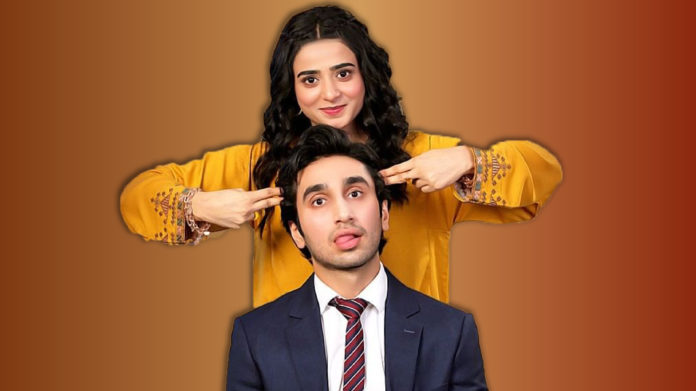
Zaviyar Nauman in Mujhe Pyar Hua Tha

The ongoing Mujhe Pyar Hua Tha is Zaviyar’s biggest let down yet. Portraying a rich guy who falls in love at first sight, Zaviyar is missing the subtle nuances and acting brilliance that maybe a Feroze Khan could have added to the role. Zaviyar is unable to effectively display Areeb’s emotional maturity and has been found wanting on many counts; especially in his show of anger. The emotions somehow fail to come out.

Is Zaviyar Nauman Progressing as an Actor?

Being the son of a great actor does come with its own pressures and repercussions. Nauman Ejaz with his impeccable acting prowess, has given several memorable performances in his illustrious career. For Zaviyar, it’s just the beginning as he has big shoes to fill in. For now, he is unable to live up to the tag. Maybe it’s the pressure of the roles he is getting, or just lack of application in key moments.

Being a star kid helps in getting the first opportunity, after that one has to prove his-her mettle to stay afloat. Zaviyar Nauman has had one opportunity to many, and fans are starting to notice it. While we do wish for him to succeed in the industry, we also realize there are potentially hundreds of other talented artists looking for an opportunity of a similar nature.

5 Funny Pakistani Drama Names That Will Make You Cringe and Laugh at the Same Time

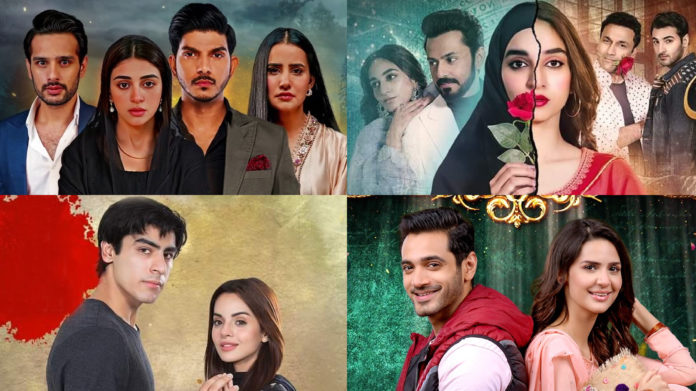
Pakistani Dramas with Funny Names

We’re not ashamed to say that we’re simply obsessed with Pakistani dramas and this is why every now and then, we bring you compilations of things we find exciting and sometimes freaky. This time, we have for you, a list of Pakistani dramas, with names that make absolutely no sense at all.

For dramas, their storylines are often described by their names, however, the ones listed below, will crack you up more than giving you an idea what the drama is actually about. Half the time you’ll go like Bhaie aakhir kehna kia chahtay ho?

Below is the list of funny Pakistani drama names with unrelated stories, a few of which make no sense at all.

Siyani

Anmol Baloch played Kiran, the titular character in this drama, that was anything but Siyana. Kiran partook in one whimsical plot after another, sabotaging the lives of every single family member only to get her hands on the family’s wealth. Siyani was the epitome of silliness, giving anything but sensible vibes, in contrast to its name. Maybe this drama would have been better off had its name been “Mein aur Meri Dirty Schemain“, at least it would have made some sense then.

Meesni

After Siyani, came Meesni. In Punjabi, meesni happens to be a very offensive word and here in the drama, it was rightfully based on Sahira, who wants it all and at any cost possible. Sahira like Kiran in Siyani lusts after wealth and hatches one unbelievable plot after another to show others down and climb her ladder to the top. Perhaps, if the makers settled on Meesni, they could have gone a step further ahead and named the drama “Phapaykutni” an apt word for a character like Sahira’s.

Hook

Hook on ARY Digital stars Faysal Qureshi, Saima Noor and Kinza Hashmi in lead roles. Now Hook is one serious drama but the name just doesn’t sit down well with the audience. Hook in Urdu could be anything from a catch on the door to a trap, but the sense implied in the drama is just vague. Maybe the makers could settle for a more subtle name like “Tarap” or “Badla” because that’s what the drama’s plot revolves around. Hook just doesn’t go down with the image you know.

Wehshi

What this drama wants to imply is still unknown to us. An abused child growing up into a violent man, the story had potential. But the name just didn’t do well. Reminds us of Punjabhi films from the days gone, Wehshi Gujjar and the likes. Perhaps Wehshi, the name in itself was the biggest turn off. Who names a drama like this? Come on guys, where’s the creativity? If you could think of a potential story line, maybe you could think of a better name then Wehshi. All thanks to its name and the drama, Khushal Khan’s image is synonym to being a Wehshi for us, at least.

Ishq Jalebi

Now this starred our favorite Wahaj Ali and Madiha Imam in the lead. Like the name, the drama itself was funny. A light hearted romantic comedy that would lift up your mood, no matter when you watched it. The show beautifully captured the spirit of young love and its trials but we just wished it could have had a better name. Maybe something like “Teri Meri Love Story.”

Some other drama titles that we think deserve a mention here include:

Qalandar- like what are you trying to tell with the name guys?

Bepanah- Bepanah what? Kehna kia chahtay hain yeh log?

Ghisi Piti Mohabbat- Weird name for such an interesting storyline?

Romeo Weds Heer- a modern storyline, we get it, but seriously? There could have been a better name.

Last one- and our favorite Mohabbat Tumse Nafrat Hai.. Tu bhaie na karo mohabbat but naam tu achaa rakhlo..

Is it Time to Bury the Hatchet and Screen Bollywood Movies in Pakistan?

Bollywood Movies in Pakistan

Bollywood Eid releases have always been highly anticipated for movie-goers in India and worldwide. These movies have the power to draw huge crowds to theaters, with fans eagerly waiting for their favorite stars to grace the big screen. This year is no different, as the upcoming Eid release of Salman Khan’s “Kisi ka Bhai Kisi ka Jaan” on April 21, 2023, has already created a buzz among movie enthusiasts.

History of Bollywood Eid Releases

The tradition of releasing big-budget Bollywood movies on Eid started with Salman Khan’s “Wanted” in 2009, a massive success. Since then, Khan has been a staple of Eid releases, with films such as “Dabangg,” “Bodyguard,” “Ek Tha Tiger,” and “Bajrangi Bhaijaan” becoming box office hits. Other stars such as Shah Rukh Khan and Akshay Kumar have also released their films during Eid, adding to the festive fervor.

Eid is a time of celebration for Muslims worldwide, and Bollywood has capitalized on this by releasing movies catering to the occasion’s spirit. With the pandemic halting theatrical releases in 2020 and 2021, the upcoming Eid release of “Kisi ka Bhai Kisi ka Jaan” is expected to draw even larger crowds.

Is it Time to Bury the Hatchet and Screen Bollywood Movies in Pakistan?

Despite controversies surrounding certain Bollywood personalities, the industry remains a significant cultural force in India and abroad. The release of blockbuster movies during Eid has become a tradition many look forward to.

However, as we approach another “Bhai” film on Eid, Pakistani audiences ask the same question again: Is it time to bury the hatchet and screen Bollywood movies this Eid?

Reasons Behind the Ban

Pakistan banned the screening of Indian films in the aftermath of India’s annexation of Kashmir in 2019.

This decision was made as a show of solidarity with the people of Kashmir, who were stripped of their autonomy by the Indian government. Despite this ban, many Pakistanis continue to watch Indian movies on various platforms, highlighting the cultural ties between the two countries.

Growing Disconnect

The increasing push of right-wing agendas in Bollywood movies has led to a growing disconnect between fans in Pakistan and the industry. The glorification of Indian nationalism and the demonization of Pakistan in movies like “Mission Majnu” and “Uri: The Surgical Strike” has left many Pakistanis feeling alienated and offended.

This, coupled with the political tension between the two countries, has led to a decline in the popularity of Indian movies in Pakistan. Under the influence of a right-wing delusional government, Bollywood has become a tool for a fanatical majority suffering from a deep-rooted and almost pitiful inferiority complex.

Should We Screen Bollywood Movies in Pakistan?

It is evident now that rewriting and distorting history is a common trend in big-project releases from the Hindi film industry. From Arjun Kapoor’s Panipat to Bhansali’s Padmavat, the complete murder of historical facts and alienation of Muslims and Islam is evident.

Even the much-awaited SRK starrer Pathan – a film about an ethnicity that hardly exists in India – was filled with propaganda and was in fact story of a mainstream actor surrendering to right-wing agendas.

In conclusion, while the release of Bollywood movies during Eid is a highly anticipated event, it is essential to acknowledge the political context in which it is taking place.

The ban on Bollywood movies in Pakistan and the growing push of right-wing agendas in Bollywood films cannot be ignored, and the Indian government must take steps to address these issues. Only then can we truly embrace the cultural exchange that Eid represents and move towards a more peaceful and inclusive future.

Galaxy Lollywood envisions a day when Pakistan and India can openly share art with each other, without pushing narratives that pander to right wing extremists.

Reasons Why We’re Shipping for Farjad and Umeed in Fairy Tale

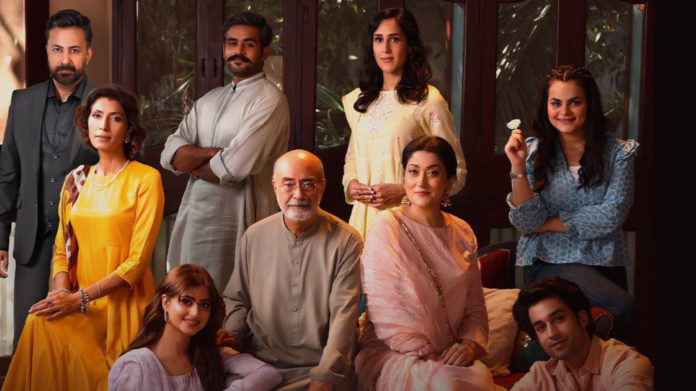
Farjad and Umeed in Fairy Tale

Fairy Tale is a coming -of-age narrative. Written by Sarah Majeed and Directed by Ali Hassan, Fairy Tale is just the dose of light fun and family humor you need to satiate your post-iftar cravings.

While viewers are singing praises of the serial, and YouTube views have sky-rocketed, the budding romance between Farjad and Umeed in Fairy Tale seems to be stealing the limelight. Both actors have done a decent job in their roles, and their building chemistry has made us all ship for them.

Farjad and Umeed in Fairy Tale are the Perfect Misfits

Farjad played by Hamza Sohail and Umeed played by Sehar Khan make the perfect match as misfits. They have shortcomings, and may appear stuck in their own problems, but when together they make the perfect team.

Umeed’s crankiness is perfectly complemented by Farhad’s stable-headedness. As much as we love this phase, we want the two to be together as soon as possible.

Farjad’s Unrequited Love is Heartbreaking

For a good part of the last few episodes Farjad has literally been thinking of Umeed throughout. His unrequited love for Umeed seems to be finally breaking through as he is shown thinking of her and smiling through the thought. Hamza Sohail has done a decent job as Farjad, as we can relate to the feeling of ‘ek tarfa pyaar’ that he is going through.

Umeed Gives the Best Gifts

Just last episode we saw Umeed get two gifts for Farjad. One as an apology for ruining his phone and the other for his birthday. The gifts are thoughtful and a sign of what’s to come. A couple that gifts well, lives well.

Umeed is Shocked at the News of Farjad’s Fiancé

The last episode ends with a scene where Umeed learns of Farjad’s fiancé. The shocking expression on her face and the sudden feeling of envy has us all shipping for the couple. Umeed does seem to be interested in Farjad, and this scene could well be the start of something for them.

For a good part of the first few episodes Farjad and Umeed in Fairytale had pushed each other away. Umeed couldn’t stand the sight of him. However, the two finally seem to be bonding and we’re loving every bit of it. We are without a doubt rooting for the couple and can’t wait to see more of them.

Where are the Promotions for Eid Films? Lack of Promotions Worry Viewers

Eid films

Eid days are always big when it comes to film releases. These release dates are highly coveted by every film studio due to the incredible box office business that’s done on these days.

Every year, on both Eids, we see a stacked release schedule with sometimes four to even five or six films being released at the same time. Since this time of the year is best for business, naturally, film studios spend the most bank while marketing these films.

So, while this year’s Eid slate is just as stacked as any other year, the lack of marketing around these films is alarming.

Eid-ul-Fitr 2023 Films

We are getting five films on Eid-ul-Fitr this year: Money Back Guarantee, Huey Tum Ajnabee, Daadal, Dorr and Lahore Qalandar. These films include big ensembles with all-star casts including names such as Fawad Khan, Wasim Akram, Sonya Hussayn, Mikaal Zulfiqar, and Saima. For more details on these films, read here.

In the past, film studios spent the entire month of Ramadan in marketing these films before Eid. The promotions ramp up half-way through the month and go on till after Eid. This marketing period includes multiple TV spots, character posters, music videos, online challenges, fan events, cast interviews, soundtrack releases and much more.

However, this year, the film industry has gone almost completely silent. This is worrying since a majority of the business is done this time of year by studios and cinemas alike.

The Pandemic Factor

Every single business was hit hard by the pandemic, companies were bleeding cash experiencing huge losses. The show business was no different. Multiple projects across the globe got shelved, delayed or dropped on an OTT platform with zero marketing.

Pakistan’s film industry, which is still in its infancy trying to gain some momentum also experienced irreparable damage. It was a concern of industry analysts and insiders last year that not enough projects were in production once COVID restrictions were being lifted.

Keeping films on hold is also not a cost-free task. We saw films such as Yasra Rizvi’s Senti Aur Mental and Faisal Qureshi’s Sorry – A Love Story shelved last year due to lack of funds. Production teams decided to cut their losses rather than spend any more on these projects. Marketing these films is no economical task either. Blockbusters usually require an amount equal to the film’s production budget to be spent on a well-done marketing campaign.

Potential Reason for Lack of Promotions for Eid Films

So, it’s safe to assume that the reason behind this lack of promotions is low funding. While the trailers have been released for most films, running an entire promotional campaign may not be affordable.

Studios seem to be relying on star power to save the day, particularly in the case of Money Back Guarantee which is Fawad Khan’s first project after the success of The Legend of Maula Jatt.

While media outlets rush to generate positive PR for these films, the promotions are non-existent and could signal low audience turnout when the movies do release.

We can hope that albeit later and smaller, the promotional runs eventually do start for these films as the industry is counting on them. This is still a developing story and Galaxy Lollywood will be covering any updates.

Kuch Ankahi: Breaking Stereotypes, One at a Time

Kuch Ankahi cover

The Pakistani drama industry is finally catching up to the world and we can confidently say this because we have dramas like Sar-e-Rah, Pinjra and my personal favourite, Kuch Ankahi, popping out left, right and centre. Our drama industry is shifting, albeit gradually, from all those cliched subjects, moving towards a more realistic approach, focused on educating the society.

Kuch Ankahi, on ARY Digital, is taking the lead in breaking stereotypes. From breaking stereotypes around marriage contracts to a father rigidly supporting his daughters’ rights to inheritance, Kuch Ankahi is not your conventional drama, but one, that will educate you on so many fronts.

Here are a few stereotypes Kuch Ankahi has broken, eventually making us fall in love with its refreshing story line.

Kuch Ankahi Shows an Unconventional Father And His Daughters’ Share In Inheritance

Kuch Ankahi is the story of Agha Ji and his three daughters. Aaliya, played by Sajal Aly, Samiya, played by Mira Sethi, and Tanya, played by Qudsia Ali. Aaliya is the middle daughter, who is intent upon fighting and standing alongside her father, addressing the unlawful claims his family makes against his house, only because he doesn’t have a son.

Agha Ji, played by Mohammad Ahmed, is one strong man. He stands by his principles and vows to not back down and let his relatives win over his rightful property just because he doesn’t have a heir. He has educated his daughters, allowed them to stand tall with the world and supports them at every step of the way.

Sehrish played by Alina Abbas is Asfar Motiwala’s sister (Sheheryar Munawar). The sibling duo is entangled in a lawsuit for a piece of land and it is interesting to see Sehrish as a strong woman who doesn’t back down, only because her powerful brother exerts pressure for her to vacate the area and give up on her dream project.

Kuch Ankahi Breaks Stereotypes Around the Marriage Contract

Most of us women, who have watched Kuch Ankahi, will now know there is a whole page dedicated to a woman’s right to divorce, pocket money and various other lawful demands in the Islamic marriage contract.

What most women didn’t know was the fact that elders in the family alongside the maulvi cancel off the page, moving on to signatures of the bride and groom. It was refreshing to see Kuch Ankahi showcasing Samiya’s marriage and her family supporting her rights.

This one scene, where Samiya’s aunt (Vaneezah Ahmed) asks the maulvi to let Samiya fill up her demands on the marriage contract and not just cancel the page, certainly taught us a lot.

No, it doesn’t make the women go bold and brazen, but those who have seen the episode, will pass on the word and educate others about their rights in a marital contract, only to make sure, they are preserved and offered safety right there when they sign the marriage contract.

Empowering Women Characters

Its surprising to see a drama that doesn’t put across women as weak, feeble beings. Whether its the villain, played by Uroosa Siddiqui in Samiya’s life or whether it is the sister in law (nand) played by Vaneezah Ahmed. Whether its Aaliya, Samiya or Tanya, each and every woman in Kuch Ankahi is a representation of empowered women in their own way.

We specially love Samiya’s character for standing up quietly but firmly to her mother in law when it came to taking help from her father. Samiya’s mother in law is greedy and wants to live off Agha Ji’s expenses. However, there is Samiya, who firmly tells her husband she’ll support him through thick and thin but never ask her dad for help.

Another strong woman in Kuch Ankahi is Aaliya. Aaliya doesn’t back down and combats each and every battle head on. She was a fierce competitor for Salman (Bilal Abbas) before she became his friend, ruthlessly taking down each of the hindrance that came her way. Aaliya’s confidence, her composed nature and her eagerness to fight the world for her father and family is contagious.

For us, Kuch Ankahi has been a drama that is revolutionizing the drama industry, striking off one tabooed subject after another, subtly but firmly. What do you think about Kuch Ankahi. Let us know in the comments below.

Reasons Behind Popularity of Pakistani Dramas in India

Pakistani dramas

Pakistani dramas have always found ways to wow audiences around the world. From the Middle East to our eastern neighbours, our stories and shows have found an interested global audience despite political tensions and severed cultural ties. We now look at some of the reasons behind the popularity of Pakistani dramas in India:

Popularity of Pakistani Dramas in India: Acclaim from the Other Side of the Border

Pakistani dramas have often received acclaim and praise from the other side of the brother. Fawad Khan starrers Humsafar and Zindagi Gulzar Hai were particularly praised by Indian fans.

Tapping the Indian market has always been a goal for Pakistani producers and directors. Many ongoing serials have also found quite the audience in India.

Another show that is making headlines across the border is Wahaj Ali and Yumna Zaidi starrer Tere Bin. The chemistry between the two leads and the contrasting ideology is portrayed exceptionally in the Abdullah Kadwani feature and is one of the reasons for the massive success of the drama.

Geo TV’s Qalandar is also a hit in the neighbouring country, with YouTube comments showering praise on the quality content.

Shared Cultural Similarities

One reason why Pakistani sitcoms and serials are gaining popularity with Indian audiences is the shared cultural similarities between the two countries.

Pakistani producers and directors have taken advantage of these cultural connections to make their content more relatable to Indian viewers. By incorporating similar cultural norms and customs, Pakistani shows can resonate with Indian audiences, making the viewing experience more engaging and enjoyable.

Stories Transcend Borders

Additionally, the traditional values portrayed in these shows, such as family unity, respect for elders, and charity, are universal themes that transcend cultural boundaries and can be appreciated by audiences of all backgrounds.

The success of Pakistani serials in India highlights the importance of cultural awareness and the potential for cross-cultural exchange to create meaningful connections between people from different countries and backgrounds. In fact, a quick YouTube search of hit Pakistani dramas, and you’ll find comments from people across the border sharing insights into how much they like the shows.

Grounded Narratives

While Indian TV serials are often criticized for their unrealistic plotlines, melodramatic acting, and lack of creativity, Pakistani serials offer a refreshing change with their grounded, character-driven narratives.

Pakistani shows like Tere Bin explore complex themes such as love, loss, family, and societal issues in a nuanced and realistic manner, which resonates with audiences across the border. Additionally, Pakistani serials often have shorter seasons, which allows for tighter storytelling and more focused character development.

Realistic Depiction of Romance and Love

Another key factor behind the growing appeal of Pakistani stories in India is their refreshing and unique take on romance. Pakistani dramas often depict romance in a more subtle and realistic way, focusing on the characters’ emotions and the development of their relationship, rather than relying on exaggerated gestures and grand romantic gestures. This allows for a deeper exploration of the characters’ motivations and personalities, which resonates with audiences in India.

Shorter Stories

Furthermore, Pakistani dramas are also known for their tight and focused storytelling. Rather than stretching out storylines for months on end, Pakistani dramas typically have shorter seasons, which allows for a more concise and impactful narrative.

This allows for more focused character development and an engaging storyline that keeps viewers invested and hooked. Indian dramas on the other hand have never ending storyline with changing characters which can be hard to follow for the audiences.

Longer Indian dramas often lead to a convoluted and confusing storyline, with multiple characters and subplots that can be difficult to keep track of.

Maybe, if Indian shows focused on telling a good story rather than getting ad revenue things would change!

Anyways, the success of Pakistani serials in India is a testament to the power of good storytelling and quality acting. As cross-border cultural exchanges are at a standstill, there is great potential for more collaboration and appreciation between the entertainment industries of both countries.

5 Best Pakistani Dramas That Rubbish the ‘Log Kya Kahaingey’ Narrative

Best Pakistani Dramas

Log Kya Kahaingey? The single-most damning statement in our society today. Be it societal pressure or family restrictions, we are often bound by the chains of log kya kahaingey? Fortunately, our media industry has taken an inspiration from the complications of this phenomenon to concoct a few inspiring stories that tell tales of characters that succeeded over the fear of ‘log kya kahaingey’.

We look at 5 of the best Pakistani dramas that rubbish the notion of ‘log kya kahaingey’ and present progressive storylines for audiences to follow.

Udaari

Ideated and Produced by Moomal Entertainment/Productions, Udaari aired on Hum TV from 10th April 2016 to 25th September 2016. The drama focused on the trials and tribulations of child abuse and how the primary character Zebo undergoes severe trauma to overcome the sexual abuse she suffered at the hands of her step-father.

Both Zebo and Meera are shown as strong women that rubbish the narrative of ‘log kya kahaingey’ and find justice/respite. Even 7 years after it was first released, Udaari seems to have set a benchmark that other productions cannot reach.

Yakeen ka Safar

Directed by Shahzad Kashmiri and Produced by Momina Duraid, Yakeen ka Safar aired on Hum TV from 19th April 2017 to 1st November 2017. The drama was revolutionary in its portrayal of societal complications that we otherwise brush away.

Yakeen ka Safar addressed the elephant in the room and approached an otherwise sensitive topic of rape and domestic abuse in a highly progressive manner. The characters are strong and the storyline only becomes better with time.

Sar-e-Rah

Produced under the banner of iDream Entertainment, Sar-e-Rah was directed by Ahmed Bhatti and written by Adeel Razzaq. Released on Ary Digital, Sar-e-Rah is perhaps one of Saba Qamar’s best work with a storyline that revolved around routine interactions with diverse people on the roads of Karachi.

Saba Qamar as Rania takes up her father’s job as a taxi driver when he falls sick. Rania steps up to the job and lends a compassionate ear to her passengers, not caring about ‘log kya kahaingey’ in the process.

Ranjha Ranjha Kardi

Released on Hum TV in 2018, Ranjha Ranjha Kardi is a heart-touching tale of true love and romance that goes beyond the judgmental views of society. The drama highlights greed in our society, and how innocence and honesty will always trump over it.

Imran Ashraf was absolutely amazing as Bhola and gradually wins over Noori, Iqra Aziz. Noori is the daughter of a street sweeper, while Bhola is mentally challenged. However, both misfits come together to challenge society’s view and rubbish the narrative of ‘log kya kahaingey’.

Meri Zaat Zarra-e-Benishan

From where we see it Meri Zaat Zarra-e-Benishan is an extremely underrated show. The serial aired on Geo Entertainment in 2009 and showcased the horror story of Saba and the allegations leveled on her by her mother-in-law.

However, Saba continued to fight through life, and even worked as a maid in a house when times called for it. She raises her daughter Sara to be a strong woman, and cuts down all approaches from Arfeen, her husband. The sad storyline sure will make you rubbish the narrative of ‘log kya kahaingey’.

It is not often that we equate Pakistani dramas with inspirational and thought-provoking content. However, over the period of time we have seen some amazing stories come through that have emphasized the importance of ‘kuch to log kahenge, logon ka kaam hai kehna’. Cheers to these stories and let’s hope for more of the same.

Ramadan Diet Tips from Your Favorite Celebrities

Ramadan diet tips from celebs

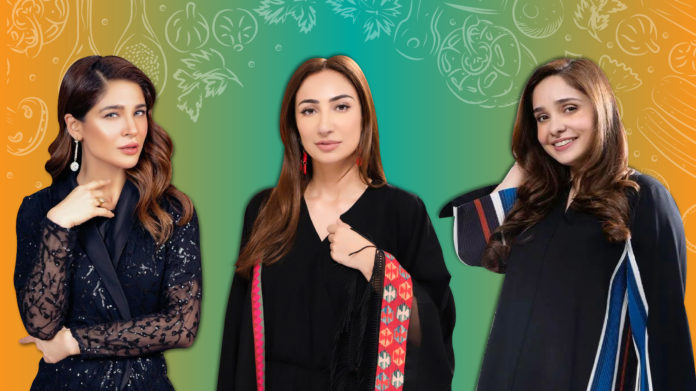
Ramadan is here, and it is time to streamline diets and cut down on oily foods. As we settle into the second ashrah of fasting, it is time that we organize our diet routine and focus on fitness. When it comes to Ramadan diet tips, there is no better example than that of celebrities.

Fortunately enough, our celebrities are pretty public about their Ramadan weight maintenance and diet routine. We have tracked your favorite celebrities and have gathered all the insights on the Ramadan diet tips they have for you, and how you can follow them.

Ayesha Omar

Pretty much the most glammed fitness icon of Pakistan, Ayesha Omar does not compromise on her diet objectives. In Ramadan, Ayesha Omar puts in special effort to incorporate coconut water into her fasting.

Coconut water has prominent nutritional benefits, and can help you store nutrients for the entire fasting period. Ayesha Omar likes sipping on a glass or two of coconut water for sehri, which keeps her energetic for the day. Also, she likes taking out for gym before or after iftar.

Juggun Kazim

Juggun Kazim is refusing to age, and we blame that on her strict diet and fitness routine. In Ramadan, Juggun shuts down all sources of cold water and prefers lukewarm water instead. This has personally worked wonders for her and helps improve her metabolism.

Anoushey Ashraf

Another diva who is refusing to age, Anoushey Ashraf is an inspiration for many. During Ramadan, Anoushey Ashraf limits her carb intake to sehri only and focuses on healthy proteins for iftar. She also drinks a lot of water, and schedules her workout session immediately after iftar. Her unwavering commitment does seem to have worked wonders for her.

Faysal Quraishi

Famous actor and television show host, Faysal Quraishi, likes increasing fruit intake and decreasing carb intake during Ramadan. He usually eats a bowl of fresh, red watermelon for iftar followed by some dry fruits and a slice of homemade pizza.

For sehri, Faysal Quraishi likes taking oats in milk as they keep him energetic and save him from feeling thirsty during the fast.

Mehwish Hayat

Mehwish Hayat recommends taking a brisk 20-minute walk after iftar for a faster metabolism and healthier diet during Ramadan. For Ramadan diet tips, she also recommends and adds healthy edibles like dates, lentils, and fruits to her diet for better nutrition.

At the end of the day, Ramadan should be about fasting, not feasting. Understand how your body works and follow these tips from proven celebrities. It’s always good to maintain, or even better, lose some weight while you’re fasting.

4 Reasons Why This Year’s Ramadan Shows Have Failed to Leave a Mark

Ramadan shows

Ramadan is not only a month of fasting and prayer but also a month of entertainment for families across Pakistan. Ramadan shows and serials have been a staple in the country’s television industry for years, providing a perfect blend of family-friendly humor, drama, and romance.

These shows are a great way to bring families together during the holy month and enjoy quality entertainment together. While some may argue that the quality of Ramadan sitcoms has declined in recent years, there’s no denying the success of classics like Suno Chanda, which captured the hearts of millions with its relatable characters and witty humor.

Despite the changes, these shows remain a beloved tradition and a highlight of the Pakistani television landscape during the holy month of Ramadan.

Fans Left Disappointed with Ramadan Shows

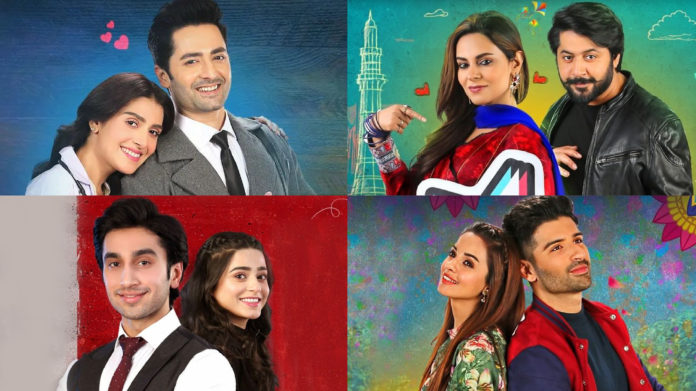
Fans and families are visibly disappointed this year with Ramadan sitcoms. The trends show in general viewer interest on Social Media platforms and YouTube. Although the cast and crew of post-iftar sitcoms have done a reasonably good job, fans were left with a lot to desire. Tere Aany Se, Heer Da Hero, Chand Tara, and Fairy Tale are the premier sitcoms airing this Ramadan season on Geo and Hum, and while the shows are pretty good, they are not worth the hype.

Don’t get us wrong, if viewed on a standalone basis, the shows would have been a hit, however, with changing tastes and expectations, it is time for the dramas to evolve.

Lack of Creativity in Content

One of the primary reasons for this is the lack of diversity in the content. Most Ramadan sitcoms revolve around a joint family, and the storylines almost always include a cousin marriage between a bubbly and young female character and a sensible and mature cousin. While this trope may have been popular in the past, it is no longer relevant to the evolving tastes of the Pakistani audience, who are looking for more unique and unconventional stories.

Lack of Original Humor

Another reason for the decline of Ramadan sitcoms is the lack of original humor. Ramadan sitcoms often rely on Punjabi paindu tropes and jokes that have been used repeatedly in previous years. While these jokes may have been humorous in the past, they have become stale and repetitive, leaving the audience bored and uninterested.

Moreover, the humor in these shows often relies on sexist and regressive themes, which do not resonate with modern audiences. The portrayal of women in these shows is often one-dimensional and stereotypical, further limiting their appeal.

Dragged Stories

The dragged storylines in most of these sitcoms are also a major turn-off for the viewers. Instead of keeping the storylines tight and fast-paced, the writers and directors drag the storylines to fill up airtime, leading to a loss of interest among the audience.

Rise of Alternative Streaming Services

Another factor contributing to the decline of Ramadan sitcoms is the rise of streaming services. With the availability of diverse and high-quality content on platforms such as Netflix and Amazon Prime, viewers have more options than ever before. The same audience that would sit down to view TV shows post-Iftar three to four years ago cannot wait to view their favorite shows on mobile once they break their fast.

How to Improve?

For Ramadan shows to become relevant again, they must show they care about their audiences. And what better way for artists to engage their audiences then churning out content that is relatable.

Unwillingness to evolve can make the shows redundant, and after losing a significant share of the urban audience, they could also end up losing out on rural audiences too. Experimenting with different scenarios and trying different ideas could be the one thing that can set them on their way for revival. Till then they’ll have to stay content with depleting audiences and irrelevant humor.