Home Blog Page 99

All You Need To Know About The Pakistani Film Being Made On Sushant Singh Rajput’s Life

An Instagram post made by a Pakistani actor Hasan Khan recently got much attention where Hasan talked about getting a project where he was playing the role of the deceased Indian actor, Sushant Singh Rajput. The topic of Sushant Singh Rajput’s death has been in the news in India these past two months. With all of Sushant’s fans and his close friends and family urging the government to probe into the mysterious circumstances around Sushant’s suicide, the last thing on anyone’s mind is to see any sort of dramatic reenactment of Sushant’s life.

So, the post made by Hasan Khan where he claimed to have been playing the character of Sushant Singh Rajput for some Indian digital platform, really came as a surprise. The original caption of Hasan Khan’s post had said that the project was supposed to be for Amazon Prime.

Clarifications

Earlier, an official statement released from Amazon Prime Videos clarified that no such project was in the works and denied that Amazon Prime has commissioned any work on the late actor which has Hasan Khan included in the cast. The official statement reads:

“Amazon Prime Video has not commissioned or licensed any project on the late Sushant Singh Rajput with actor Hasan Khan or for that matter with anyone else.”

Another report made by BollywoodHungama said that a source close to Amazon unofficially said, ” It’s all in the air right now. No idea why he (Hasan Khan) tweeted about playing Sushant Singh Rajput.”

Details revealed

Galaxy Lollywood reached out to Hasan Khan to know his side of the story. Talking about the project, Hasan revealed that the movie has been shot already and is expected to be released in a couple of weeks. According to Hasan, it’s a short film that is directed by a Pakistani director, Mohammad Mussavir and produced by an Indian producer, Raj Gupta.

Hasan also claims that the short film was originally supposed to come out on Amazon Prime. However, this news received quite a lot of backlash from Sushant Singh Rajput’s fans which caused Amazon Prime to back out of the project. Nevertheless, the film will be released on the producer’s own channel called Imperfect Movies.

Some behind the scenes pictures

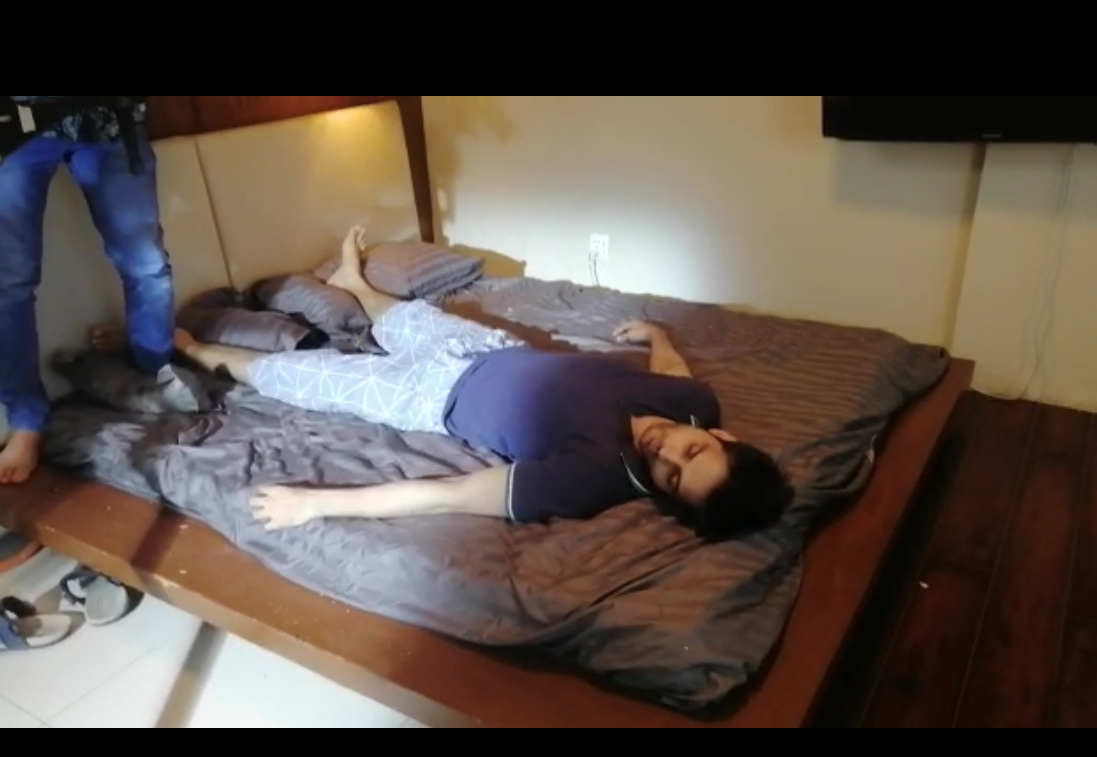
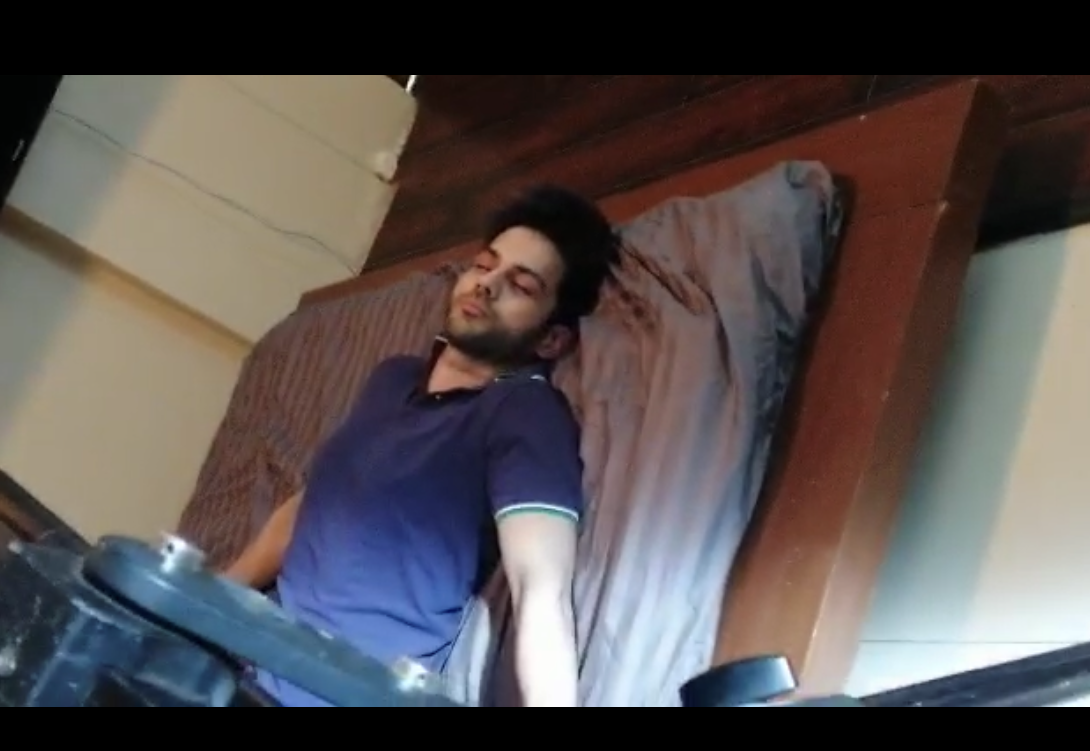
Below are a couple of pictures shared with us by Hasan Khan from the shooting.

TRIGGER WARNING. The following pictures are from a dramatic re-enacment of a possible death/suicide scene and it may cause discomfort to some readers. Readers are precautioned to view the pictures at their own discretion.

10 Actors Who Rejected These Popular Pakistani Dramas

In Pakistan, an actor is remembered more for the roles they have done on television than in any other medium. Simply because television is bigger than film or theater and it is more easily accessible to the general audience, hence it comes with a bigger reach. Script sense of an actor paves the way for how they will be perceived in the public spectrum, their characters provide them a public image which is cultivated for further brand associations and media coverage.

A drama ultimately belongs to the actors who end up doing it. However, there have been many instances where some of the most well-known actors have chosen to pass on some scripts that ended up becoming memorable dramas. Here is a list of Pakistani actors that were initially offered dramas, that they refused, which ended up becoming quite popular.

Humayun Saeed – Humsafar

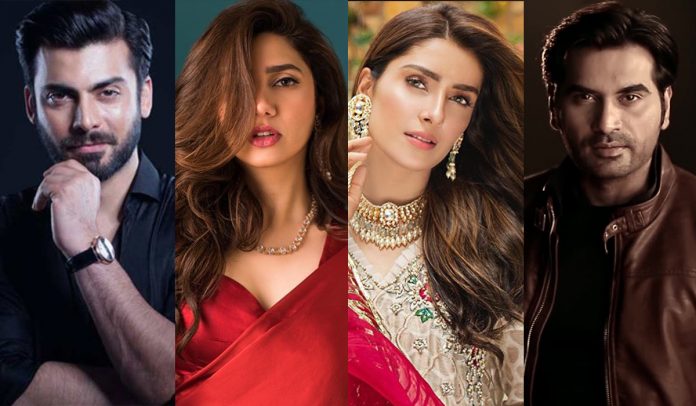
Humayun Saeed is the reigning king of the Pakistani entertainment industry. His last small screen marvel Mere Paas Tum Ho took the ratings by storm. His performance as Danish was praised unanimously. However, in a promotional interview for Punjab Nahi Jaungi, Humayun revealed that he regrets refusing Fawad Khan’s role in Sarmad Khoosat’s Humsafar. Humsafar became an instant hit when it aired in 2011 and brought in the leading couple, Mahira and Fawad immense love and appreciation transnationally.

Fawad Khan – Pyaray Afzal

Fawad Khan became the industry’s blue-eyed boy after giving back to back blockbusters in a row, Dastaan (2010), Humsafar (2011), and Zindagi Gulzar Hai (2012). He was approached for almost every big-budget venture but Fawad was extremely mindful of the content that he wanted to be a part of. Khalil-ur-Rehman Qamar’s script was initially offered to the Kapoor & Sons actor, but he couldn’t accommodate the project due to his Bollywood debut opposite Sonam Kapoor. Pyaray Afzal was then done by Hamza Ali Abbasi and it escalated his popularity to newer heights.

Mahira Khan – Kankar and Ainee Ki Ayegi Baraat

Mahira Khan is known for her refusal to monstrous film offers such as Punjab Nahi Jaungi and Jawani Phir Nahin Ani. The actress is very picky in terms of the people she collaborates with and also avoids being repetitive with her work associations. Mahira refused the drama Kankar that was ultimately done by Sanam Baloch. Kankar dealt with the subject of domestic abuse. Mahira instead chose to do Sarmad Khoosat’s directorial Shehr-e-Zaat as she found it to be more challenging as a performer. She was also offered the titular role in Annie Ki Ayegi Baraat, but she turned it down for being a multi-starrer and the role went to her Humsafar co-star, Naveen Waqar.

Ayeza Khan – Ishq Zahe Naseeb

Ayeza Khan was approached for the role of Shakira in Farooq Rind’s Ishq Zahe Naseeb opposite Zahid Ahmed. Ayeza turned down the role of Shakira which was later accepted by Yumna Zaidi. Yumna revealed that actresses were hesitant as the role was less in screen-time as compared to Sonya Hussain’s character. The role was also offered to Neelum Munir who turned it down for similar reasons as Ayeza.

Feroze Khan – Mere Paas Tum Ho

Feroze honestly admitted that he turned down Danish’s role in Mere Paas Tum Ho because he asked for a huge signing amount.  The writer Khalil-ur-Rehman Qamar got angry as someone asked for a huge amount for his script. There were negotiation issues between both the parties and Feroze let go of the blockbuster project which was initially supposed to be starring him alongside Ayesha Khan and Adeel Hussain.

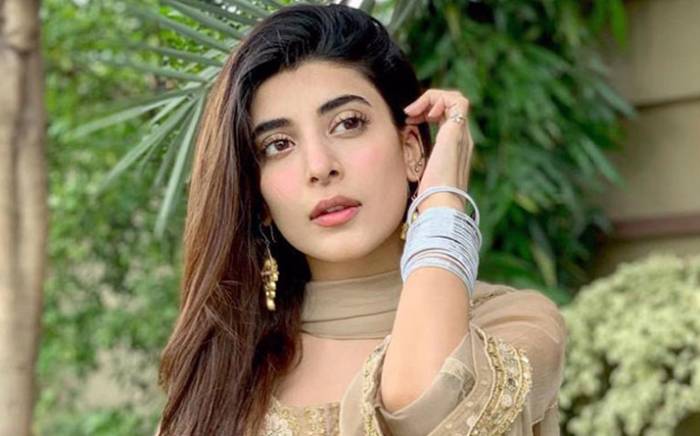
Urwa Hocane – Mere Paas Tum Ho

The casting progress for Mere Paas Tum Ho was not smooth. Urwa Hocane was cast in the drama and despite shooting for a couple of days, the actress opted out of the play to give her complete attention to her production venture, Tich Button in Nankana Sahib. This made the director Nadeem Baig very upset but Urwa chose to prioritize her own production. Urwa was replaced by Hira Mani.

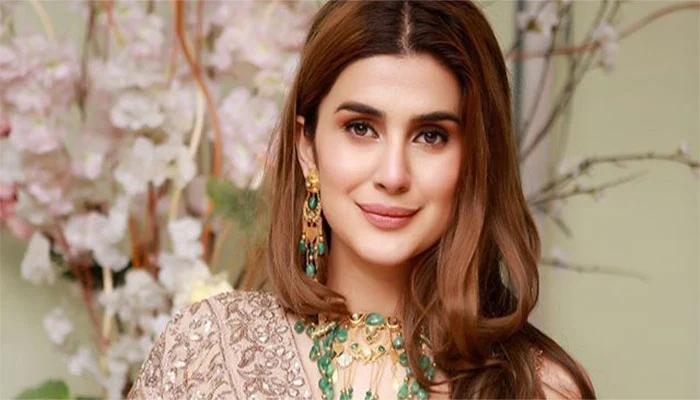
Kubra Khan – Mere Paas Tum Ho and Mushk

Kubra Khan is one choosy actress, there was a time when she had refused her career-defining drama, Alif over script changes but destiny had other plans for her and she eventually did the project and received immense critical acclaim for her role of Husn-e-Jahan. She and Gohar Rasheed were supposed to star in the Aehsun Talish directorial Mushk but were later replaced by Momal Sheikh and Osama Tahir. The London Nahi Jaunga actress also refused Hira Mani’s role in Mere Paas Tum Ho opposite Humayun Saeed, as it was a supporting role and she didn’t want to play a second fiddle in a television series.

Mikaal Zulfiqar – Udaari

Mikaal has proved his mettle as an actor in projects like Diyar-e-Dil and Sang-e-Marmar. Mikaal is extremely conscious of his on-screen persona and hence found the role of Imtiaz in Udaari a bit too out of his comfort zone. The role was then performed by Ahsan Khan who won awards for his fabulous performance of an antagonist.

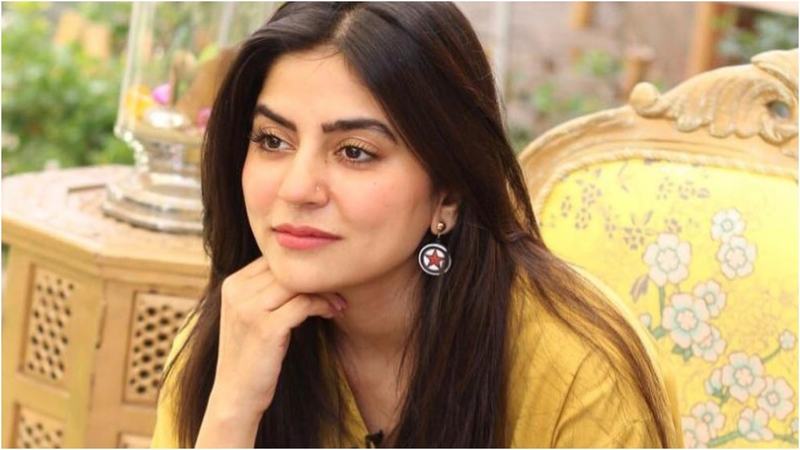
Sanam Baloch – Bin Roye

Sanam Baloch is an actress par excellence and her performance in projects like Dastaan and Daam provides testimony to the fact. However, Sanam let go of many professional opportunities due to her wedding with Abdullah Farhatullah. She was offered Armeena Rana Khan’s role in Bin Roye opposite Fawad Khan who was supposed to play the role of Irtiza, which was later played by Humayun Saeed.

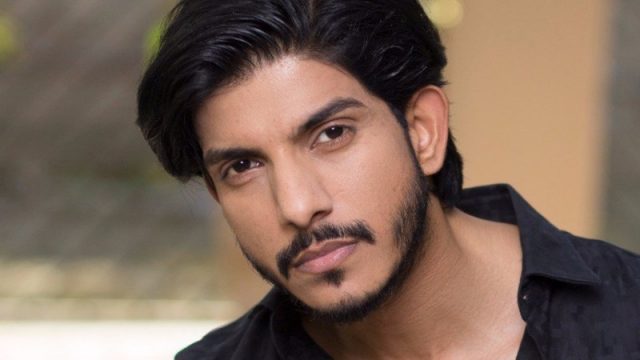
Mohsin Abbas Haider – Khaani

Mohsin Abbas Haider was last seen in Nabeel Qureshi’s music video with Sonya Hussain. The actor candidly confessed about being approached for Khaani before Feroze Khan. Khaani starred Sana Javed and Feroze Khan in lead and became a huge money-spinner for the television industry and earned Feroze Khan many new fans and praises for his performance in the show.

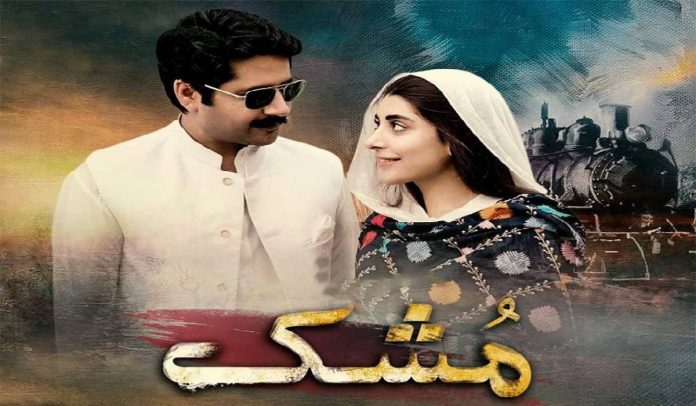
Mysterious Past And Intriguing Characters Make Mushk Stand Out

mushk

The expectations from Mushk are high as the drama not only has Urwa Hocane returning to TV screens in a lead role after four years but it also has Imran Ashraf in the dual role of a writer as well as the lead actor. Directed by Aehsun Talish, Mushk boasts of a big cast and its teasers have already piqued the curiosity of the audience about how they are all connected.

The emotional drama

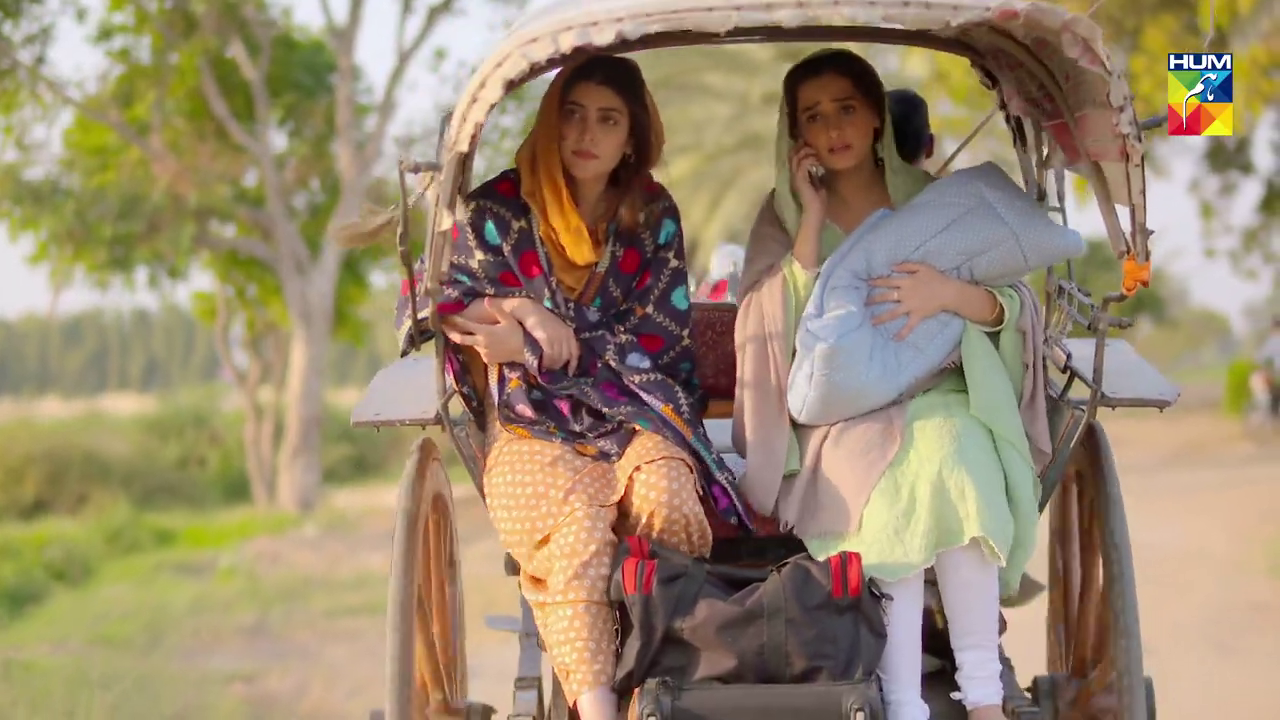
The first episode starts with a train station where a train has arrived early. The characters played by Momal Sheikh and Urwa Hocane are seen getting off the train. Qavi Khan, who plays a coolie in the drama, talks about the process of waiting and arriving. From the very first scene itself, Mushk establishes a world that has many unraveled mysteries and it succeeds in getting the attention of the audience.

There is a real mysterious connection between the characters played by Momal Sheikh and Osama Tahir. It is told in the episode that Guddi, played by Urwa Hocane, is the mother of a baby. However, later it is revealed that the real mother of the child is Mehak (Momal Sheikh). A flashback shows Mehak and the character played by Osama in London as their love blossoms.

In the present, however, the father of the child is seen locked up in jail trying to break out of the cell. When did they get married and how did he end up in jail? These questions seem to be the real hook of the story and what will make the audience tune in for more.

A promise for more

Imran Ashraf plays the role of Adam who is in love with Mehak. Imran did not get a lot of screentime in the episode but that is understandable as the first episode was mostly dedicated to establishing the characters with the main story yet to begin.

The storytelling is high on emotions with heavy-hitting dialogues. Sohail Sameer’s character who is locked up in a cell has quite the character and is seen delivering dialogues that are bound to leave an impression on the audience.

There is a budding love story between the characters played by Raza Talish and Sehar Khan. The drama is not utterly devoid of its cliches as there is a jealous aunt with the standard set of typical dialogues. However, it is all balanced nicely by other more interestingly written characters with Guddi topping the list.

The first episode is all about setting the stage so we look forward to seeing more of Urwa and Imran Ashraf and the love triangle that was hinted at in the teasers. While Mushk does seem to have all the common clichés like love triangles and whatnot, the mystery and great dialogues are enough to make the audience tune in next week.

Prem Gali Opens The Doors To A World Full Of Life And Color

prem gali

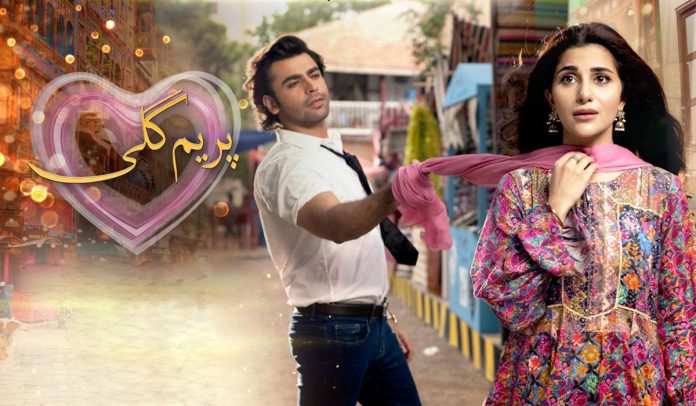
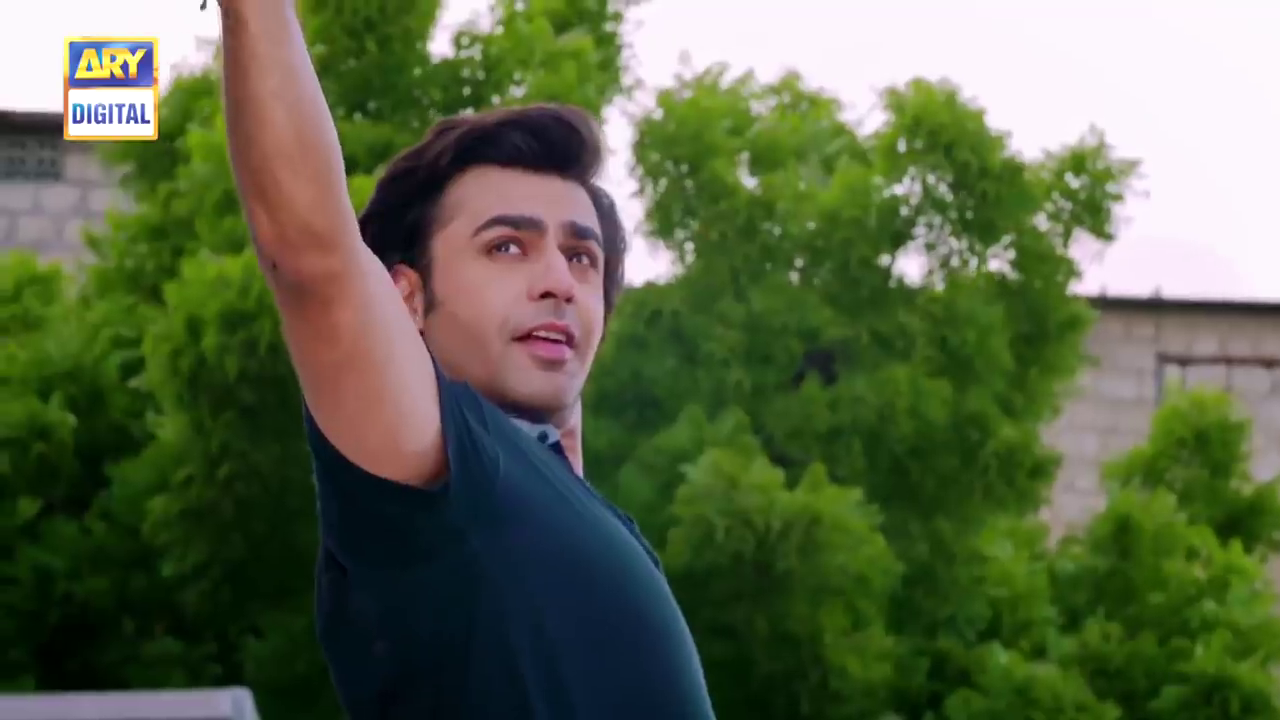
Prem Gali took its sweet time to go on-air. Almost a year ago, it was announced that Farhan Saeed and Sohai Ali Abro will be starring in Qasim Ali Mureed directorial Prem Gali, written by Faiza Iftikhar. This isn’t the first time the writer and the director have worked together. The duo has previously worked together for the 2017 family entertainer Aangan. Hence, expectations were already high from the team. And judging by Prem Gali’s first episode, it seems like the audience is in for a treat.

Strong cast

The first episode introduced us to the residents of Prem Gali, a fictionalized neighborhood situated in Karachi. The first family living in one of the houses (named Talaq Manzil) in Prem Gali consisted of three divorced women Rahat Begum (Shamim Hilali), and her daughters Shireen (Saba Hameed) and Musarrat (Uzma Hassan). Shireen’s unmarried daughter Joya (Sohai Ali Abro) completes the family of four. The second family included a widow Haseena (Farah Shah) and her children Salman and Fari (Anoushay Abbasi). The third family- consisting of Dada Ji (Qavi Khan), his sons Hatim Chaudhary (Waseem Abbas) and Abdullah Farhatullah, and Hatim’s son Hamza (Farhan Saeed) – just moved into Haseena’s house, who is renting a portion of her house to them. Nargis (Faiza Gilani) was also introduced though her family wasn’t shown.

Colorful characters

As far as first episodes go, the drama did quite good in terms of telling the viewers what to expect from the story. The drama has an ensemble cast and all of them are playing intriguing characters. There’s Shireen who is basically the man of her house. From repairing machines to running a general store, she does all the hard work. Then there’s Hamza’s chacha who hasn’t had a successful love life and spends most of his time like a ‘zakhmi aashiq’ listening to sad songs. Fari, who runs a beauty parlor in the neighborhood, is best friends with Joya, who is still studying in college. Each character comes with their own unique quirks and traits, making them all stand out in their own right.

A world well established

The first episode does a fine job in establishing the world of Prem Gali where divorcées and perpetually single men take the center stage. Considering how this show is more character-driven than having a singular social issue driving the whole plot, it was important for Prem Gali to have characters that instantly get the attention of the audience and the show does just that. Sparks fly when Joya and Hamza collide hence, giving a strong base to the future love story of these characters. Different kinds of sparks fly when Shireen and Hatim meet for the first time giving the audience a taste of the kind of hilarious confrontations that are in store for these characters. A major plus point for the drama is how it has broken away from the conventional settings of having the entire story based around just one or two houses. It was refreshing to see a drama open up to shots of a hustling bustling neighborhood in the morning where the carefully placed props and a number of extras bring life to the world before any of the main characters are introduced in it.

Prem Gali is definitely off to a strong start. Faiza Iftikhar is known for her knack of portraying characters and relationships in a hilarious yet endearing way. Qasim Ali Mureed’s skillful direction has brought to life a world that is easy to immerse into. The drama’s light-hearted tone made it a breezy watch and we hope the show continues to retain its stressfree element.

Churails Is The Digital Content Pakistan Needed To Prove Its Potential

churails

By: Sameer Anwar

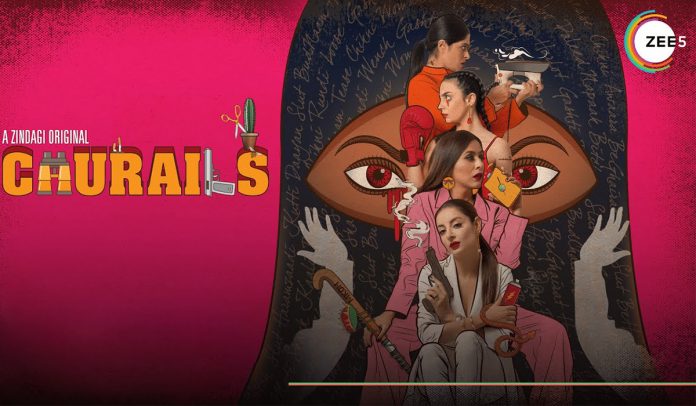
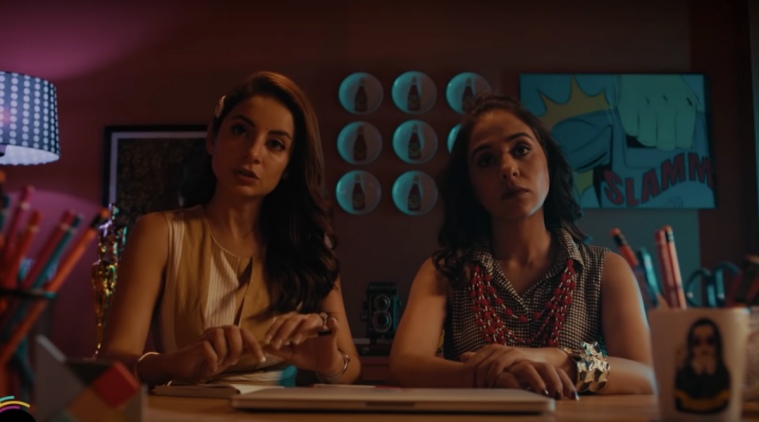
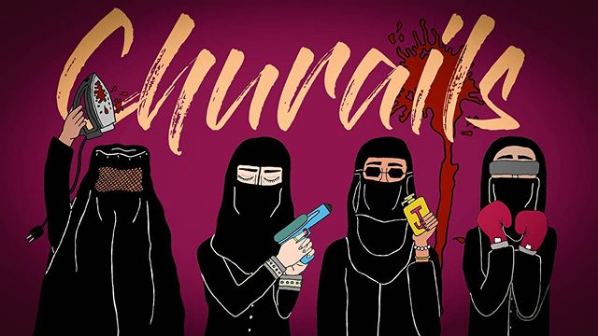
Asim Abbasi’s Churails can be summed up as, “a masterpiece representing one of the most significant milestones to date for Pakistan’s leap into the age of digital media”.

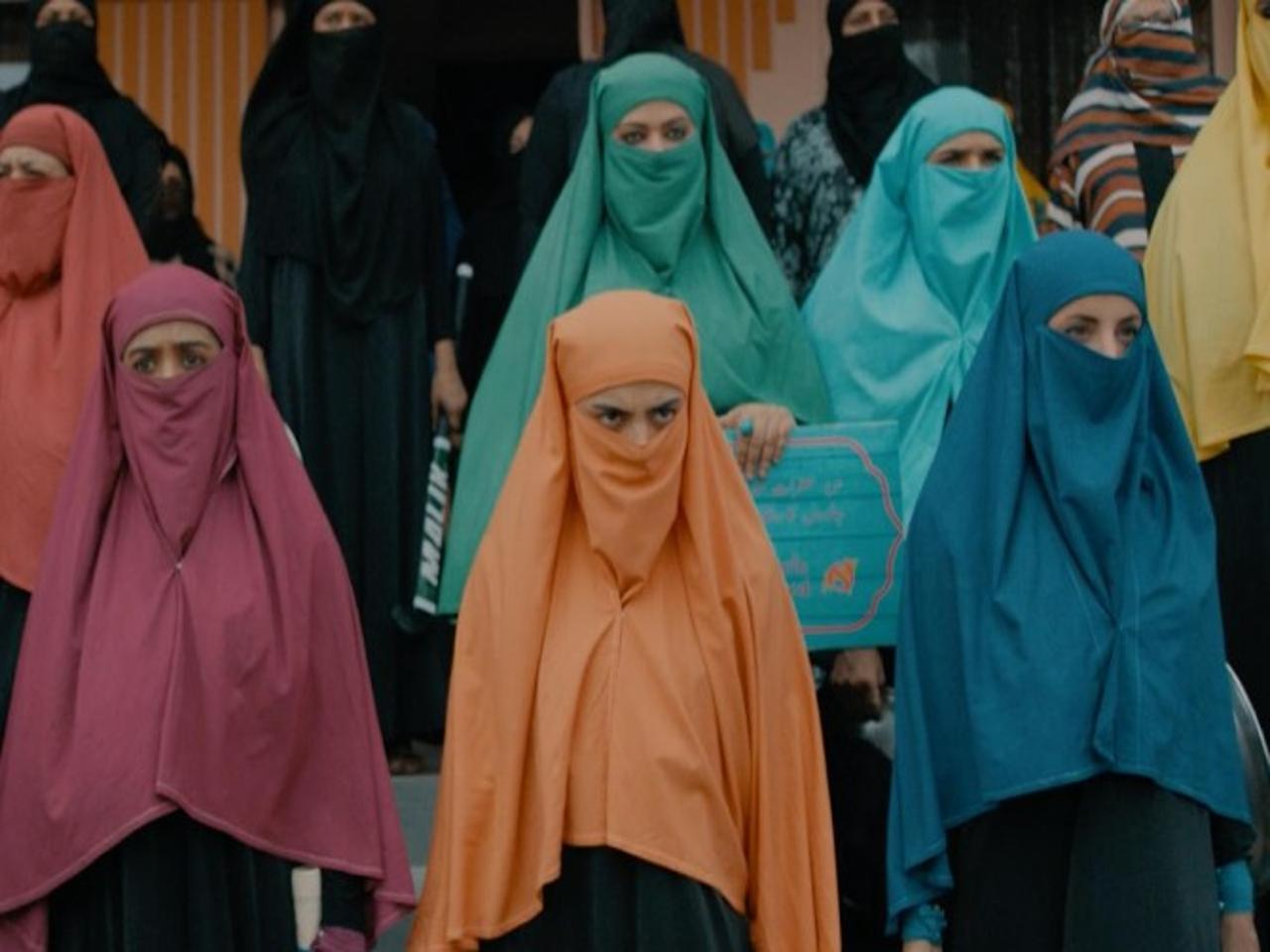
Asim Abbasi, who has both written and directed the show, beautifully crafts a story that drives the conversation forward on a wide range of important and urgent issues through the lens of four Karachiite women. Together these women set up a boutique in disguise – where burqas are symbolic representations of their superwomen capes, in an attempt to emancipate other women from the plagues of male patriarchy and abusive relationships. What follows is the unraveling of dark secrets that change their lives forever.

The freedom to express

Pakistan’s television screenplays have traditionally been delicately nuanced and guarded. Widely acclaimed television series created within the social and cultural confines of acceptability, such as the likes of Zindagi Gulzar Hai and Humsafar, are a delight to watch but are divorced from the reality of an ever-evolving Pakistan. An opportunity to tell stories without any shackles and the need to conform to the strict guidelines of traditional television has given our artists the liberation to immerse into their characters and show their full potential – and Asim fully employs and uses this opportunity!

While Pakistan’s industry has been best-known for its realism in storytelling, Churails demonstrates how to strike the balance between keeping the audience engaged in the story while shedding light on important yet rarely discussed social issues that exist within our society. While many recent Pakistani films have packed an overdose of social issues into two hours, ten episodes seem like the appropriate duration to do justice. Asim undauntingly discusses the depth of institutional issues ranging from sexism, racism, homophobia, transphobia, human trafficking to the remnants of Pakistan’s “colonial hangover” – all of this while still keeping the audience on the edge of their seats. A feat that would be completely impossible to achieve in our traditional television drama format.

Impeccable performances

Churails is a brilliant example of how an amazing cast can deliver some of their best performances to date when truly given their artistic freedom. The performances by all actors are award-worthy and far too many to mention. The leads Sara (Sarwat Gilani), Jugnu (Yasra Rizvi), Batool (Nimra Bucha), and Zubaida (Mehar Bano) are absolutely splendid. Sarwat Gilani shows her full prowess as an actor and is able to move the audience with a wide range of emotions that can be deeply felt – a loving mother, a liberated wife, and an empowered entrepreneur. Yasra Rizvi’s feisty fearless unabashed character, Jugnu, is marvelous and redefines the stereotypes the audience may have about Pakistani women. Nimra Bucha plays the character of Batool with a kind of dignified dominance that one can only expect a true veteran of the industry to deliver. Mehar Bano provides a raw vulnerability and relatability as her character is the youngest of the four.

Churails is peppered with cameos from some of the finest and well-known actors from the Pakistani industry. With names like Sarmad Khoosat, Sania Saeed, Adnan Malik, Anoushey Abbasi, Hina Bayat, and even Mahira Khan included in the list of cameos, the curiosity of how they all fit in the world of Churails is natural. And they all do a great job in making the Churails experience more memorable.

Technical finesse

Mo Azmi, the director of photography (also co-producer) allows viewers to experience Karachi in its full grit and glory. The simple yet profound frames that he experiments with contribute significantly to helping the audience experience the pace and emotions throughout the ten episodes. Complementing the frames perfectly, the background scores and poetic narrations move the audience along with the story. The dialogues are all too real in an attempt to jolt the viewers to root for the Churails. Asim shows his love and art as he closes each of the arcs ensuring the audience gets closure.

Taha Malik has done a great job in selecting the music of the show as, throughout the show, many popular and some not-so-widely-known songs both from Pakistan and India play in the background and seamlessly blend with the scenes to bring life to the narrative. The title track of the song sung by Zoe Vicaji with lyrics penned by Osman Khalid Butt energizes and reflects the power of the churail within.

A digital success

Churails is catered to an already digitally-obsessed desi audience which represents not just growing segments within the countries but also a large diaspora of Pakistanis and Indians abroad. However, the opportunity that Churails presents is far beyond. Churails is a milestone that demonstrates that with the right funding, a global platform, and perhaps most importantly the appropriate artistic freedom to produce unfettered content, Pakistan can produce shows that would translate well and be relatable for global viewers even outside traditional desi circles. We can imagine a subtitled version of Churails being just as engaging to watch for a non-desi audience as many of the Spanish and Turkish shows that have recently seen a meteoric rise in popularity on global platforms such as Netflix and Amazon Prime.


The behemoths in the digital media industry (tech company turned media giants such as Netflix) have disrupted the global talent and content markets and changed the rules of engagement. What used to be niche has now broken in the forays of the mainstream. With digital becoming the norm as even the normal television audience has started to rely on platforms like Youtube to catch up to all their television content, Pakistani content creators can no longer afford to waste any more time. Digital is not only the need of the hour but is the undeniable reality. Churails being the first Pakistani web series that is being streamed on a platform that already hosts much local and international content, is technically Pakistan’s official addition to the ever-increasing global market for digital content. And Pakistan has definitely struck gold with it.

As a digital-first company, Galaxy Lollywood understands well that this transition to digital comes with its own set of demanding challenges and Pakistan’s artists should prepare themselves by learning lessons from their global peers. And as the transition towards digital content accelerates globally, we will look back at Asim’s efforts and the outstanding performances by our beloved Churails as one of the most significant steps taken by Pakistan’s industry in that journey. Bow down to Asim and the entire crew.

Sameer Anwar is Galaxy Lollywood’s international digital correspondent.

The Case Of Ethnic Stereotyping In Pakistani Films And Dramas

stereotyping

I remember conversing with one of the co-producers of Shoaib Mansoor’s rape survivor film Verna. At one point in the conversation, I complained about how the director has continuously from Khuda Kay Liye to Bol and Verna, portrayed Pashtuns in a stereotypically negative way. The co-producer responded that people identify more with characters when they are shown in more conventional (read stereotypical) ways than those which are relatively unknown to them.

The argument may be partially convincing. Considering the artistic limitations that writers/content creators face in order to make their product appealing to the “masses”, falling back to the “safe” zone of stereotyping characters does not seem like a difficult choice. However, it still does not justify the practice.

Stereotypes perpetuated by the media are more like to reflect and shape the common prejudices in society. In the current geopolitical scenario and era of fourth-generation warfare, TV, film, and media need to be sensitive and careful as such reductive stereotyping forms the basis for ignorance of other cultures as well basis for the marginalized communities to be alienated further.

Inability to identify the problem

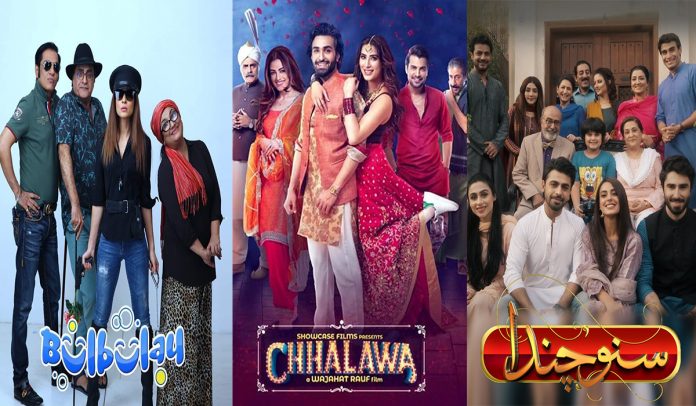
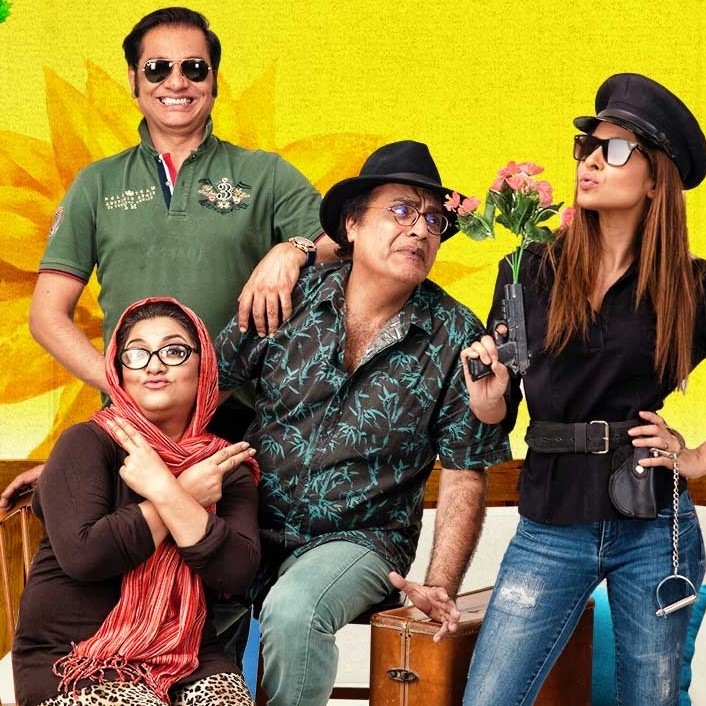
A rather palpable wave of protest and disdain was observed across social media platforms a few weeks ago when a scene from popular sitcom Bulbulay depicted a Pashtun character asking Nabeel (played by Nabeel who happens to be the show’s producer as well) to receive a gift from him. Nabeel responds by saying, “Iska gift kya hoga? Ya naswar ya bomb!“(What could his gift be? Either naswar or a bomb!)

The ensuing protest on Facebook & Twitter became trending in Pakistan under the hashtag of #BoycottARY. Concerns were recorded at Pakistan’s National Assembly as well where a lawmaker from KPK pointed towards the disturbing and insensitive practice of racial profiling of Pashtuns in mainstream media, particularly pointing towards ARY’s sitcom.

This prompted the show’s producer to issue a response. Nabeel’s video, however, instead of being a clear-cut apology, mostly consisted of euphemizing the racist rhetoric that the show has been quite insensitively endorsing. Obviously the video failed to appease the sentiments of the offended ethnicity who is constantly subjected to the most regressive and derogatory representation on mainstream media. What’s more disturbing is that certain tabloids/showbiz personalities expressed their solidarity with the Bulbulay makers, outrightly neglecting what the discourse was about.

Pashtuns have been the most prominent victims of such practices. Grown on the scrubland of cultural ignorance and under-researched, one-dimensional characters, their portrayals in Pakistani films and dramas over the years are more artistically offensive than culturally so. In the 90s they mostly served as chowkidars clad in Turkish waistcoats with a gun stapped on their shoulders or as a simpleton who always would be the butt of the joke. If not so, they would merely be seen on a skin-deep level, as stout merciless figures with thick beards. Every terrorist shown in the media in a post-9/11 world is almost always a Pashtun and that is an image that is further perpetuated by the local Pakistani content.

Stereotyping all across the board

Bulbulay isn’t the first show from Pakistan to project such prejudices, neither are Pashtuns the only victims of such practices. There are scores of examples from local TV, film, and theatre who, courtesy their intellectual laziness, opt for derogatory stereotypes of ethnicities like Pashtuns, Punjabis, and Sindhis for their own convenience.

From recent films offerings like Chhalawa, Maan Jao Na, Ishq Positive, Karachi Se Lahore, and dramas like the Baraat series and Suno Chanda, Punjabis are portrayed as crude, unrefined, loud feudals who are either shown has imposing villains or in the form caricaturish family unit that is always engaged in verbal banter.

Sindhis are shown as uneducated, backward suppressed simpleton villagers who conform to tyrants of local waderas, as the usual norms in our dramas. Or they are shown as minor characters in the drama, usually in the form of house-help, with the only way to identify their ethnicity being their stereotypical way of speaking Urdu with a heavy Sindhi accent.

This creates a very strange idea of who Pashtuns, Punjabis , and Sindhis (or any other misrepresented people) are for those who don’t know any of these people. And it also creates a very confused and estranged relationship between these ethnic groups who, due to mainstream media, can’t fully identify with this bizarre representation of themselves and of the other ethnic groups.

Change is happening

Stereotyping and ethnic profiling in films or dramas is not just a problem in a smaller industry like ours. Hollywood and Bollywood, the biggest film and television industries, have equal shares in perpetuating stereotypical practices. However, unlike Pakistan, these industries are now going through a phase where the misrepresented minorities are taking charge of their narrative. For example, African-American storytellers in America are now telling their own stories through their own lens and they are doing so with much success. After decades of being represented in a problematic manner, because their characters and stories were told from the point of view of someone who does not belong to their race, the African-American and Latinx races and ethnicities are creating content for media that truly represents their culture and their stories.

Over in Bollywood, the center of stories being told has shifted from the urban upper-middle belonging to huge metropolitan cities to rural class belonging to smaller cities. Because the characters in the latter are the ones the population of Indian is most likely to be able to relate to, the stories based on them have achieved the kind of success that completely defied the idea of what a typical Bollywood film is meant to be.

In Pakistan, the local industries don’t have the kind of reach and influence for the minority ethnic groups to be able to tell their stories. The mainstream is the only media that has any power. And when that mainstream is only full of cases of ethnic stereotyping that further feed the prejudices present in the society instead of reducing them, therein lies a major problem.

The silver lining

Social media being a double-edged sword has proven to be a platform for people to voice their concerns and record their protests hence paving the way for the popular culture and the media to shape the ways we look at racism, and our approaches to anti-racism. The internet specially provides a free platform for the artists and content creators from the misrepresented ethnic groups of the country to put forward their art and their stories in a way that truly represents them without the layers of stereotyping that the mainstream media has shrouded them with.

However, it is not enough. The Internet in Pakistan still needs time to be able to bring about actual change in society. The mainstream representation in media via films and dramas is where both the problem and the solution lies. Nonetheless, the silver lining in the cloud is how the new lot of content creators are aware of the fact that the issues that are brought up on social media with regards to representation are valid and cannot be ignored for a long time.

All it takes is putting in a little more time and effort to absorb the nuances of any culture before attempting to depict it on screen. We all need to free ourselves from our biases and prejudices. And the content shown in our mainstream media can play a huge part in achieving that. The process may take a long time but once it starts, the change it will bring will be here to stay for a long time.

Humayun Saeed, Resham, And Ali Zafar To Be Awarded ‘Pride Of Performance’

pride of performance

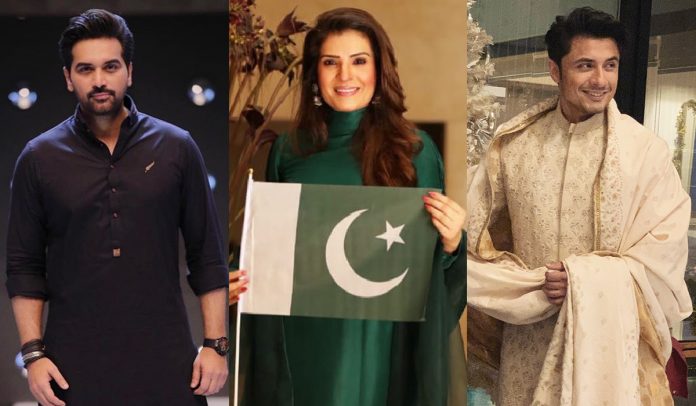
On the auspicious occasion of Pakistan’s 73rd Independence Day, President Dr. Arif Alvi conferred Pakistan’s Civil Awards to 184 Pakistanis and foreigners for extraordinary performance in their respective fields. Humayun Saeed, Ali Zafar, and Resham made it to the coveted list of the highest civilian awards, Pride of Performance.

Veteran actress Sakina Samo, who recently made news for successfully battling with Covid’19 is also included in the list of this prestigious award. The ceremony to hand out the awards would be held on 23rd March 2021, according to a Cabinet Division press release.

More honors bestowed

Apart from the Pride of Performance award, the civilian honors for artists include prestigious accolades such as Sitara-I-Imitaz, Tamgha-I-Imtiaz, and Nishan-I-Imtiaz.

Senior actors Bushra Ansari and Talat Hussain have been named for the Sitara-i-Imtiaz award. Bushra Ansari is a true veteran of the industry and has excelled in the fields of acting, hosting, and writing. Her contributions to the Pakistani television industry cannot be denied.

Media mogul Sultana Siddiqui is also conferred with the same accolade. Singing legend Abida Parveen has been conferred with the honorable Nishan-I-Imtiaz award. Comedienne and actress Zeba Shahnaz has been announced for the Tamgha-I-Imitiaz category along with comedian Majid Jahangir of 50-50 fame.

Impeccable careers

The recipients of the Pride of Performace Award have all had impeccable careers. Humayun Saeed made his foray into television production in the late 80s. Over the years Humayun has attained a position in the fraternity which many can just dream of. He has the biggest blockbusters to his name, be it celluloid’s Punjab Nahi Jaunga and Jawani Phir Nahi Ani 2, or the small screen marvel Mere Paas Tum Ho.

Ali Zafar is the youngest name from the entertainment realm this year to be facilitated with the prestigious award. Ali is a celebrated singer for the last two decades and has carved his own niche. He made his movie debut in Pakistan with the blockbuster Teefa In Trouble, which consolidated his stardom in the country.

Resham has been successful in her simultaneous film and television career over the last three decades. She has done more than a hundred films in her career. The Jeeva actress has been an active philanthropist and famously helped the victims of local floods in 2010.

Sakina Samo’s services to the industry have been recognized by the government when she was awarded the Tamgha-i-Imtiaz in 2011. Both as an actor and a director, Sakina Samo has worked on several projects in her career that spans over three decades. Her recent drama Darr Si Jaati Hai Sila got much critical praise and was hailed as an important drama based on a social issue.

14 Pakistani Films That Perfectly Capture The Spirit Of Patriotism

14 August is a special day for Pakistanis all around the world. On this day we not only celebrate the spirit of our independence but also strengthen our resolve to achieve excellence as a nation. Pakistani cinema has considerably upped its ante in the past decade and a half. Despite its limited resources it has expanded its niche exponentially giving its fans ample reasons to celebrate. It has continually created content that serves to raise our national spirits when it comes to national causes.

This Independence Day, Galaxy Lollywood presents the names of fourteen films that are the perfect way to rejuvenate our national enthusiasm and serve to fuel up our patriotism.

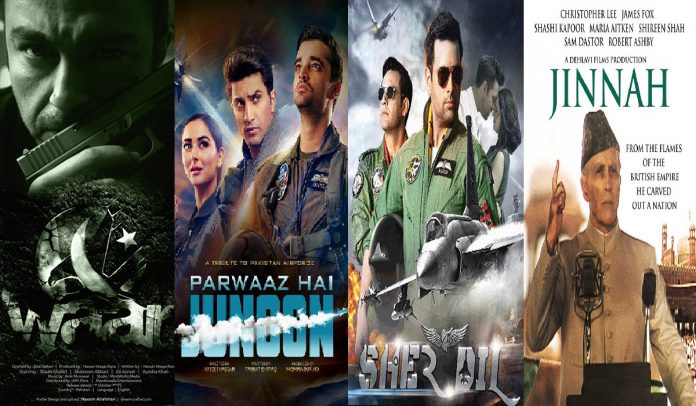
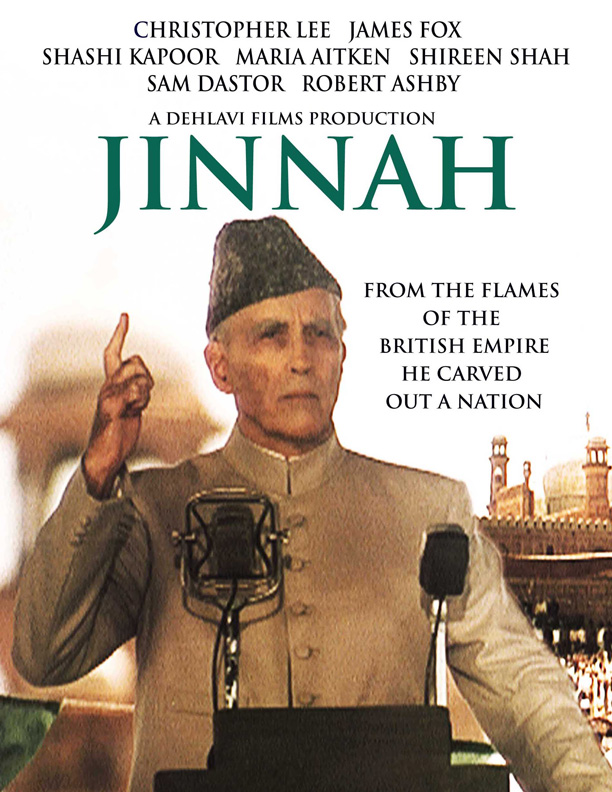
1) Jinnah

The British-Pakistani biopic made on the life of Muhammad Ali Jinnah was originally released in 1998 and till date, it remains the most critically acclaimed patriotic film to come out of Pakistan. The film was re-released in 2015 in a high definition format.

Directed by Jamil Dehlavi, Jinnah boasts of an ensemble cast with names such as James Fox, Maria Aitken, Richard Lintern, Shireen Shah, Indira Varma, Shakeel, Vaneza Ahmad, and Shashi Kapoor who also narrates the film. The film is a treat to watch for its captivating screenplay, dialogues, and accurate portrayal of the independence era.
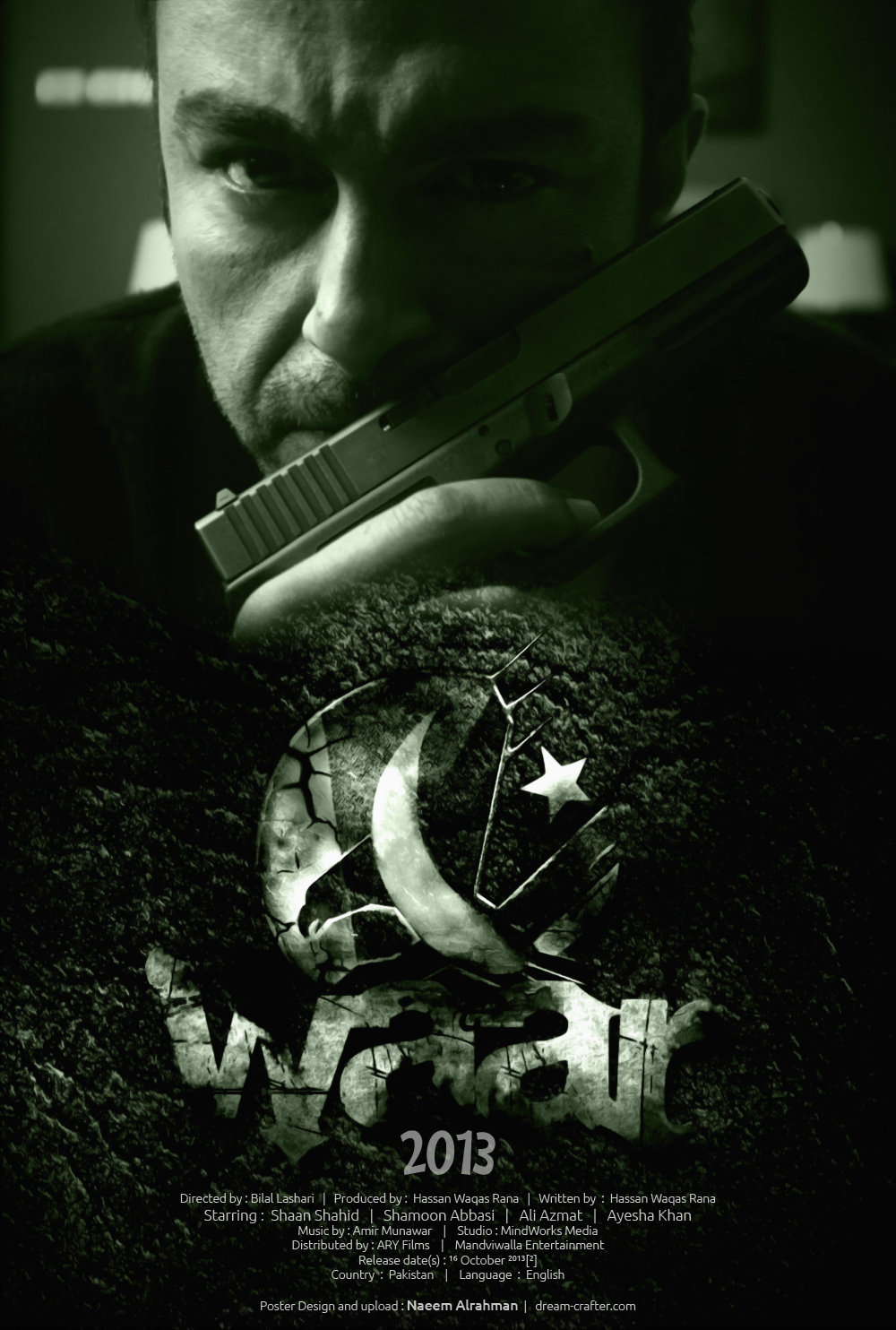
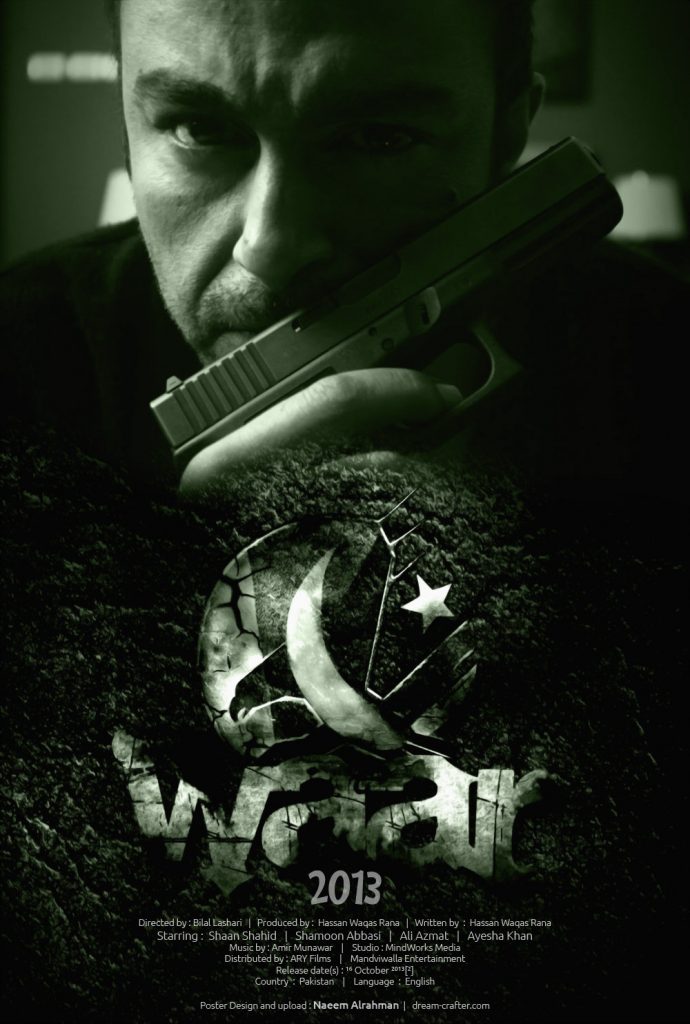
2) Waar

‘Waar’ is one of Pakistani cinema’s most iconic and biggest blockbusters that put everyone in awe of its technical prowess at its time of release. Directed by Bilal Lashari and starring Shaan, Shamoon Abbasi,  Ayesha Khan, Hamza Ali Abbasi, and Meesha Shafi in pivotal roles, the film is centered on a retired army officer who is forced to come back to fight against terrorism in Pakistan, and the past that haunts him.

The film received widespread acclaim for its screenplay that stylized the depiction of events surrounding Pakistan’s efforts to conduct a war on terror on state-sponsored terror groups, which resulted in warfare among tribal units in North-West Pakistan.
3) Khuda Kay Liye

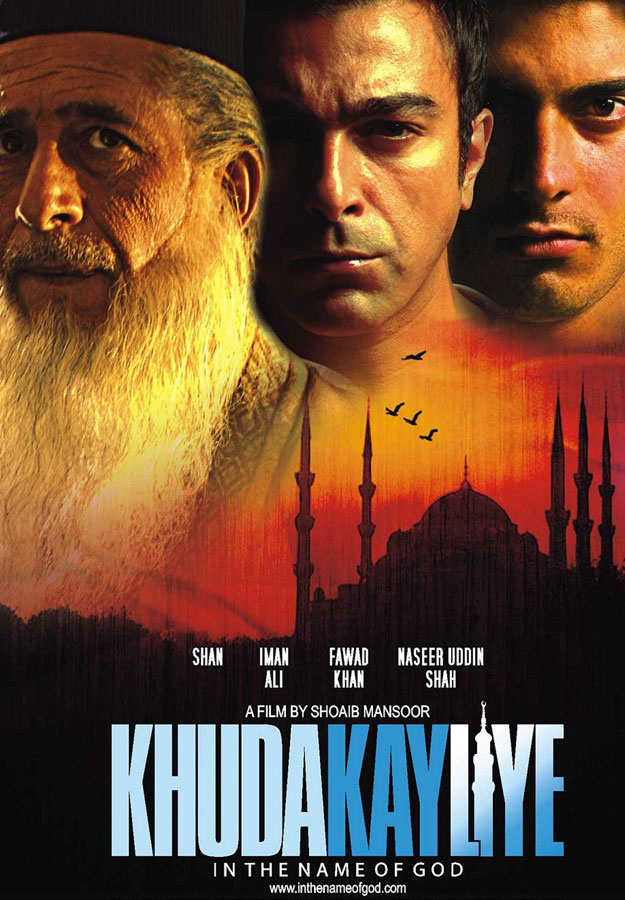
‘Khuda Kay Liye’ is an iconic film for being the most audacious films of Pakistani cinema history as well the first film which kicked start its revival. The film created an uproar at the box-office upon its release.

It also drew criticism from conservative sections of society as it challenged their hard-line stances with much effectiveness and nuance thus strririg a debate against extremism across the country. Featuring names like Fawad Khan, Shaan, and Imaan Ali the film still holds relevance as a must-watch Pakistani movie.
4) Parwaaz Hai Junoon

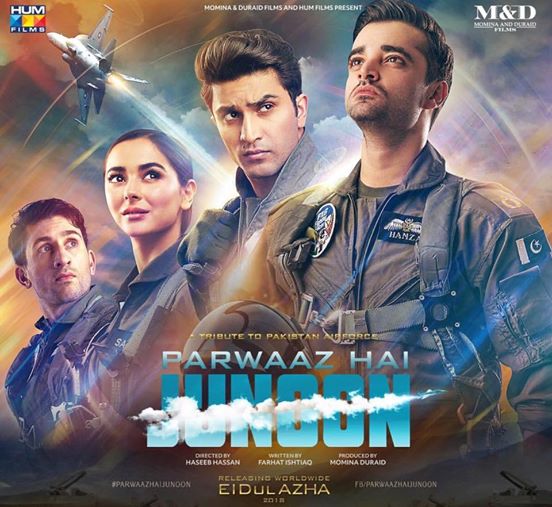
The film is a 2018 romantic action saga directed by Haseeb Hassan. Featuring an ensemble cast of Hamza Ali Abbasi, Ahad Raza Mir, Hania Amir, Kubra Khan, Marina Khan, Shamoon Abbasi, Shaz Khan, Shafaat Ali to name a few. The film is a tribute to the jawans of Pakistan Air Force who protect the country from the skies.
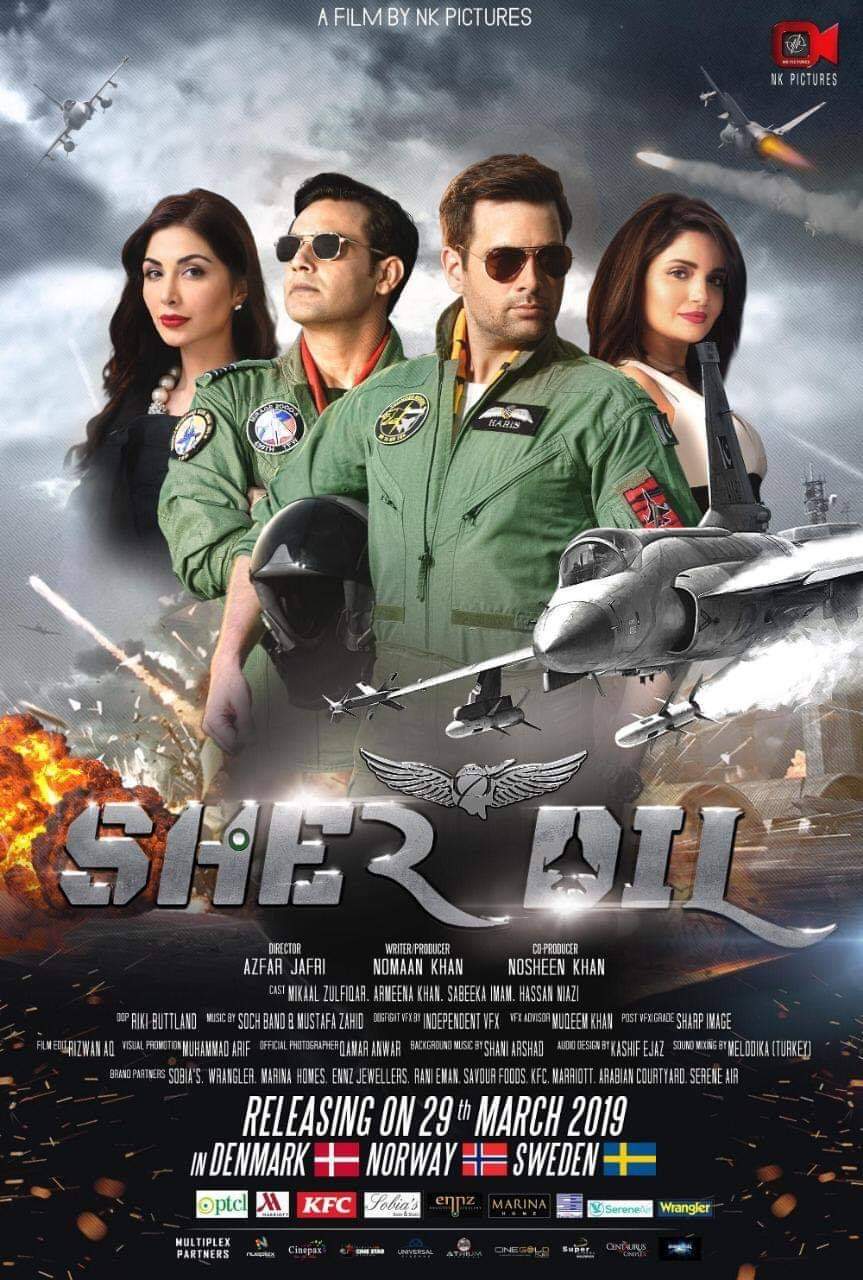
5) Sherdil

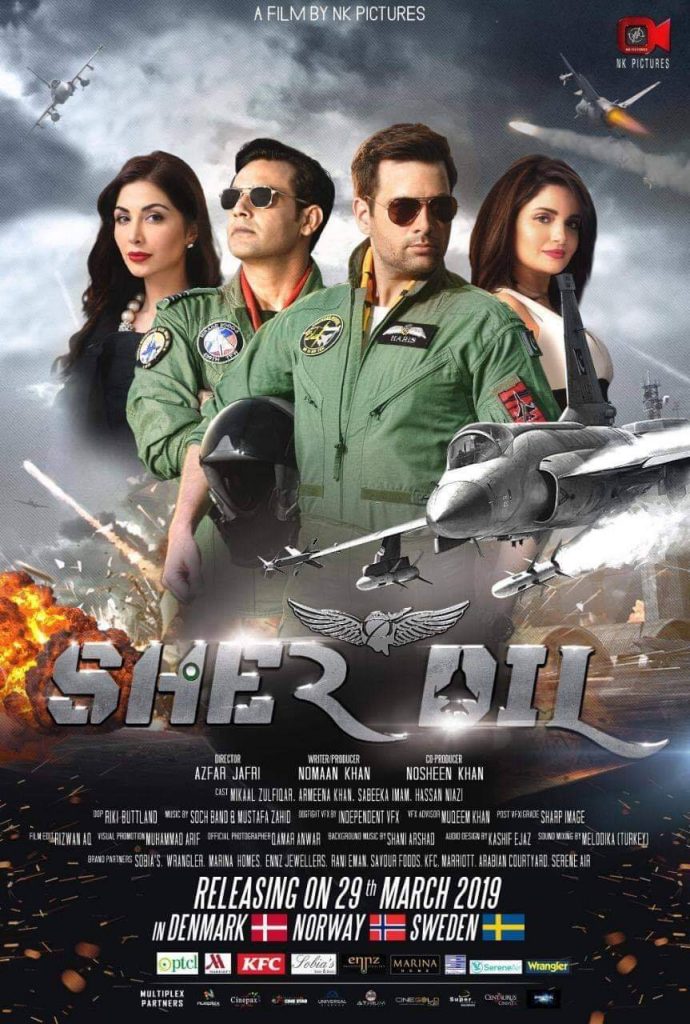
‘Sherdil’ is another film that is set against the backdrop of PAF. The film is a well-shot airforce action drama that resonated with the audience when it was released at a time when Pakistan Airforce had shot down two Indian jets in a historic dogfight and captured its pilot.

Written and produced by Nomaan Khan, directed by Azfar Jafri and starring Mikaal Zulfiqar, Hassan Niazi, Armeena Rana Khan, and Sabeeka Imam in the lead roles, the film is a family entertainer that also serves its purpose of being a patriotic film.
6) Operation O21

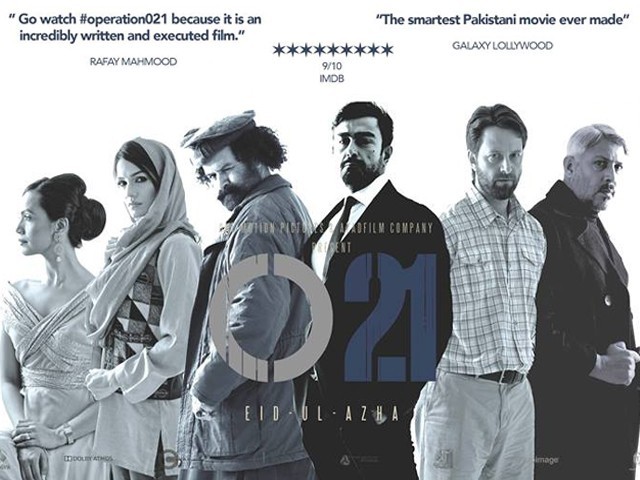
‘Operation O21‘ is the first-of-its-kind Pakistani spy action thriller film directed by Jami and Summer Nicks. Starring Ayub Khoso as an Afghan spy, who wants to save his country from corporate warfare and has to collaborate with Shaan Shahid, his Pakistani counterpart where they struggle to save the two countries from the looming war by Western forces. The film explores Pak-Afghan’s brotherhood and themes of patriotism with subtlety and nuance.
7) Chambaili

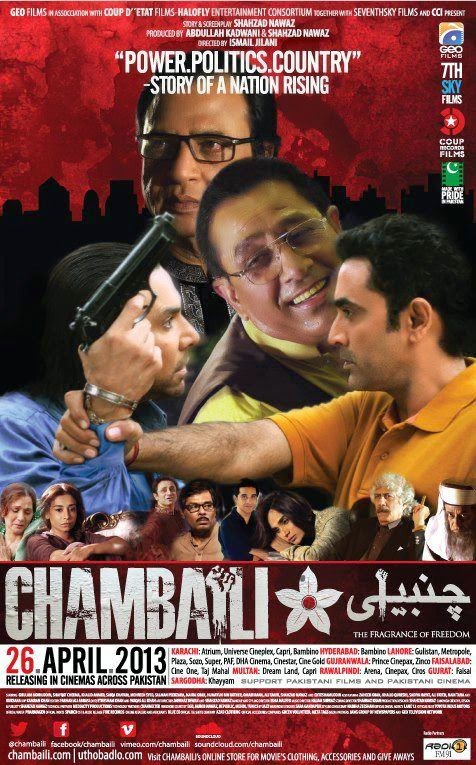
‘Chambaili’ is a 2013 political thriller film directed by Ismail Jilani. Starring Salmaan Peerzada, Khalid Ahmed, Mohammed Ehteshamuddin, Maira Khan, Shafqat Cheema, and Shahzad Nawaz, Chambeli explores the theme of political corruption in the country.

The film had encouraged patriotism and nationalism when general elections were just around the corner. It was praised for its contribution to democracy credited with persuading non-voters and youth to vote in the 2013 General Elections. Political parties in the country had played songs from its soundtrack during campaigns and its music increased social and political activism.
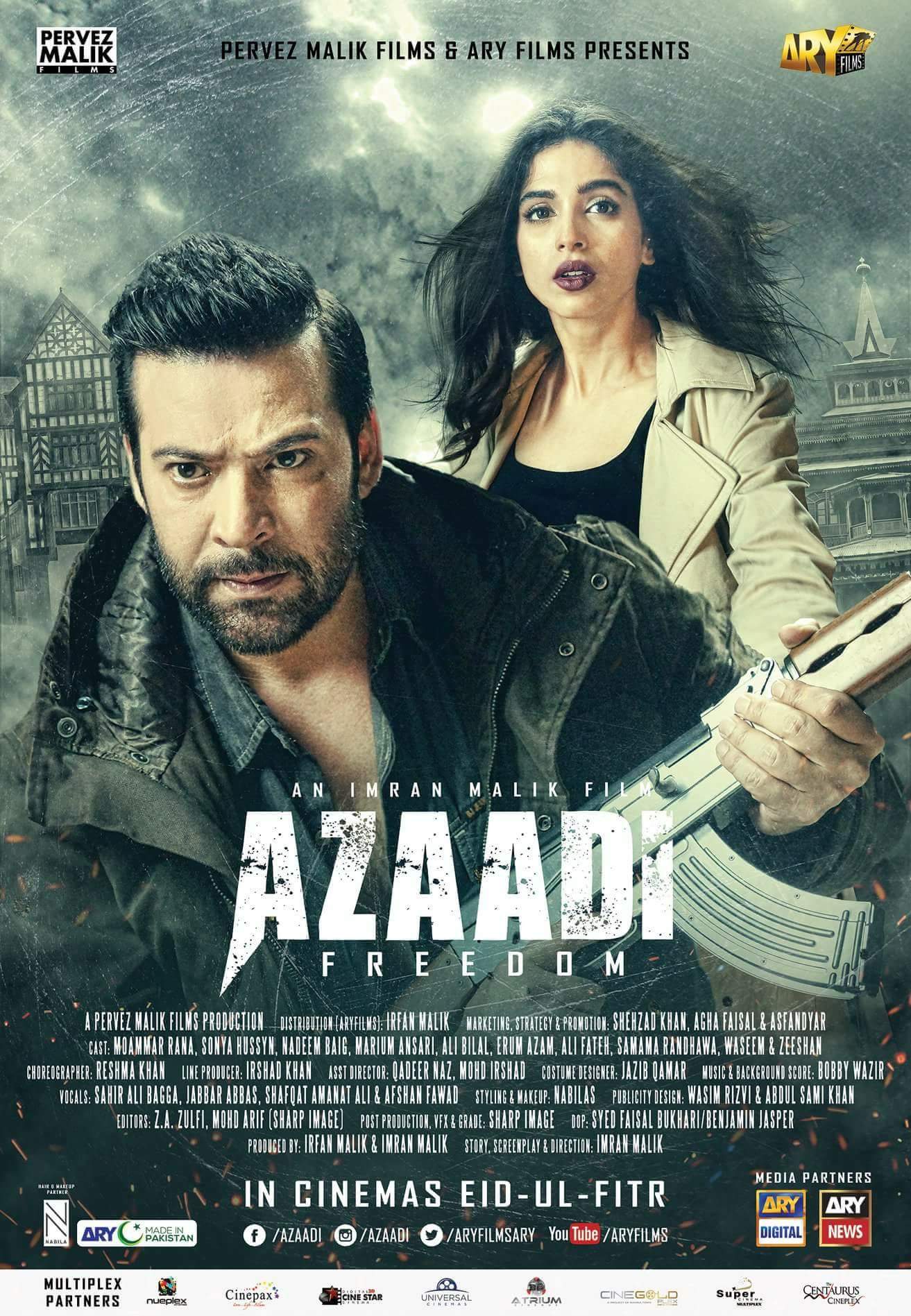
8) Azaadi

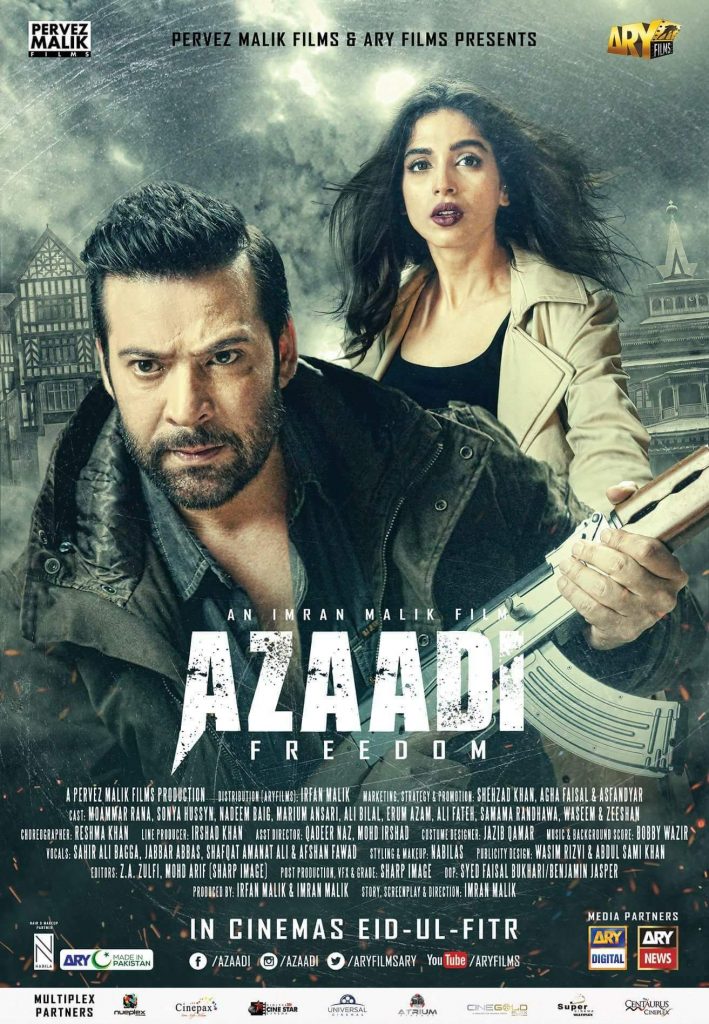
Moammar Rana’s comeback project to the newage cinema, ‘Azaadi’ is an action thriller based against the background of Kashmir issue. Written, directed, and co-produced by Imran Malik, the film was released in 2018. Apart from Moammar Rana, the film stars Sonya Hussain and Nadeem Baig in the leading roles. The film’s action sequences are reminiscent of the classic Lollywood action sequences. Azaadi is a film filled with patriotic fervor.
9) Maalik

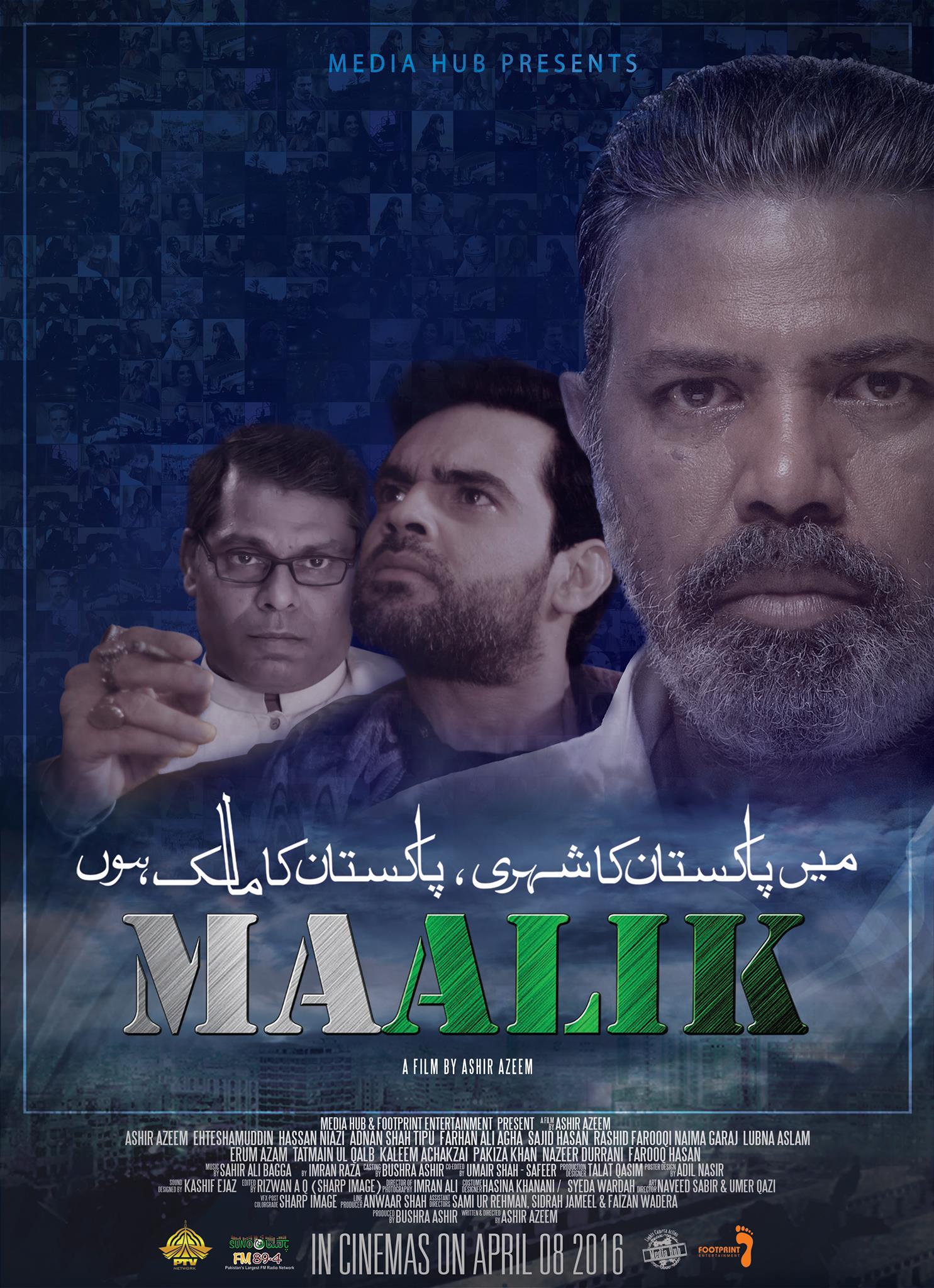
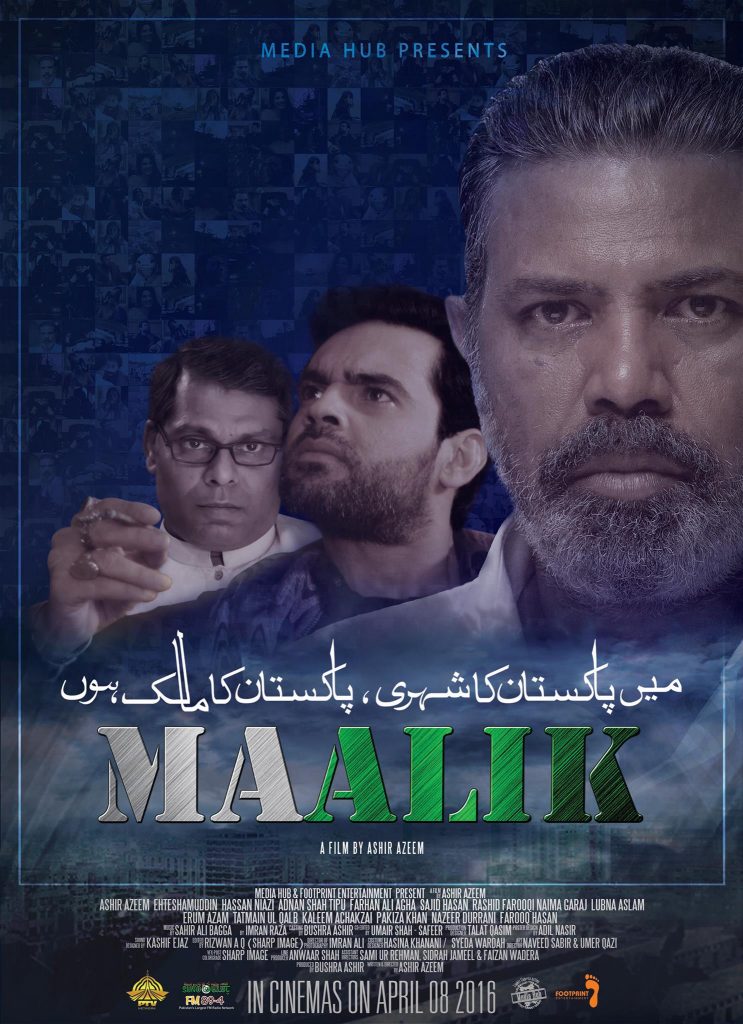
‘Maalik’ is a 2016 political thriller directed by Ashir Azeem (PTV’s Dhuwan fame). The film revolves around a retired SSG officer and his anti-corruption crusade against the corrupts in power. It also depicts Afghan war and Talibanization amongst other issues faced by the country. The film was banned by the Sindh Government for its negative portrayal of politicians in Sindh however later a court order re-released the film in cinemas.
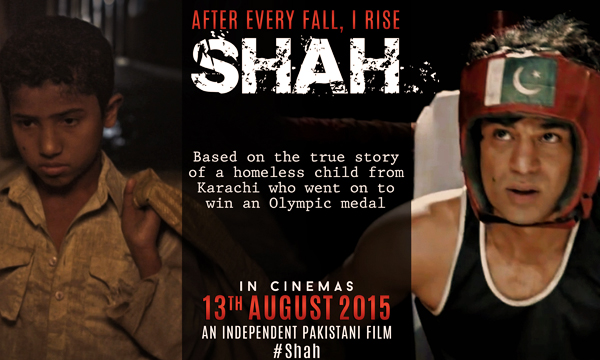
10) Shah

This one of its kind Pakistani sports biopic made on a shoestring budget is not only a case study for filmmakers to make good films on a budget, but it is also a heartwrenching account of the struggle of a sportsman amidst the corruption that is ingrained within the country. Written and directed by Adnan Sarwar, ‘Shah’ is based on the life of Hussain Shah who won a bronze medal in the 1988 Seoul Olympics and remains one of Pakistan’s most iconic Boxers.
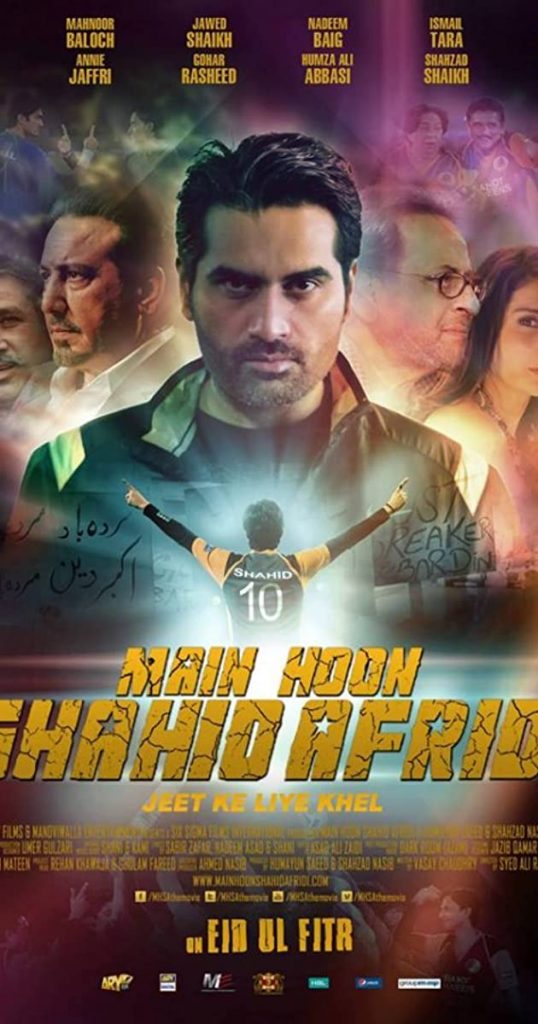
11) Main Hoon Shahid Afridi

Starring Humayun Saeed, Ainy Jafri, Noman Habib, and Mahnoor Baloch and directed by Syed Ali Raza Usama, the film is based on the theme of cricket. Set against the backdrop of rural Sialkot, the film explores the world of cricket in Pakistan, the underlying corruption, and the struggles of a common man against it as all he tries to use his passion for cricket to bring honor to the nation. Peppered with beautiful music, the film is a sports drama that depicts Pakistani culture in a hilarious, relatable, and emotional way.
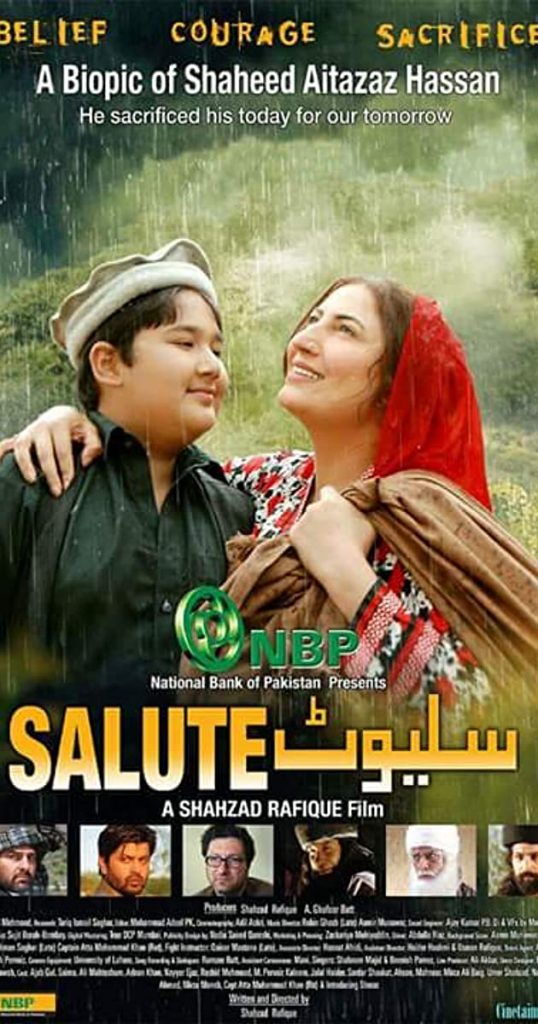
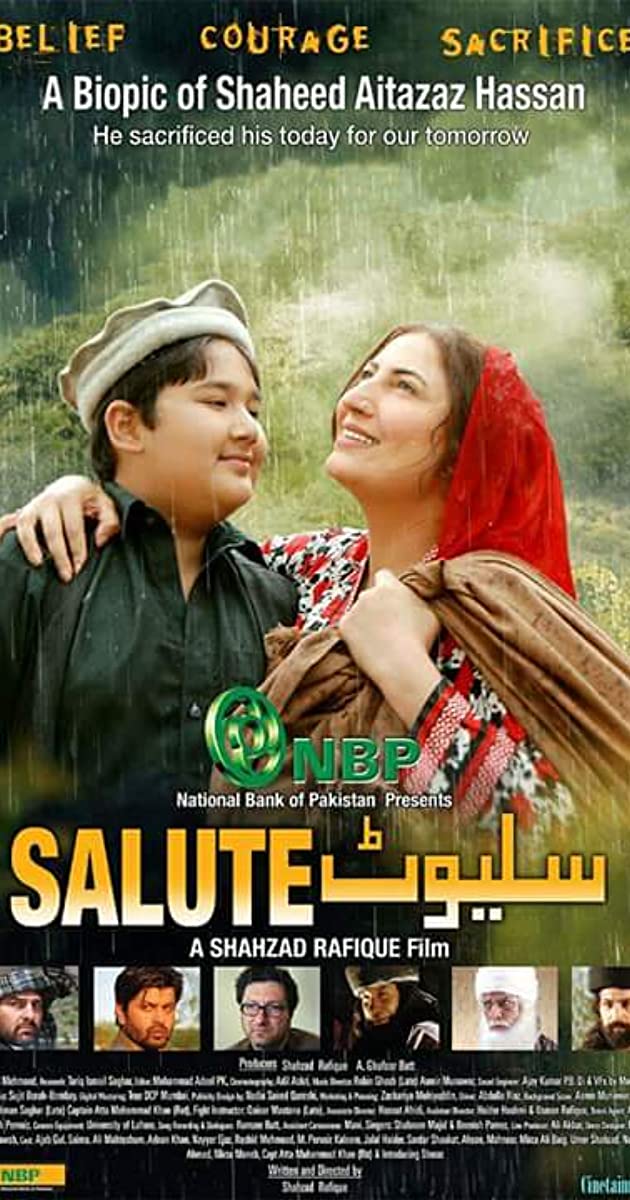
12) Salute

Lollywood era’s director Shehzad Rafique made ‘Salute’ in 2016 which is a biographical film based on the life of martyr Aitzaz Hasan Bangash, a schoolboy from Hangu who confronted a suicide bomber, preventing his attempt to bomb his school, thus saving around 2000 lives. The film stars Ali Mohtesham, Ajab Gul, and Saima Noor in leading roles.
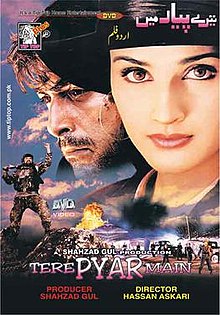
13) Tere Pyar Mein

‘Tere Pyar Mein’ is amongst the last successful films coming for Lollywood Era. Produced by Evernew Studios, the film was released in 2000. This is a crossborder love story that eventually depicts Kashmir’s freedom struggle was the launchpad for Zara Sheikh’s career in Lollywood. This film was hugely successful upon its release and had its ‘diamond jubilee’ (one year running) to packed cinema houses.
14) Bedari

‘Bedari’ holds an interesting and unique spot amongst the list for being associated with unique controversies. Released in 1956 the film though was initially well-received yet it ensued widespread protests for allegedly being a copy of a Bollywood film that led to it’s banning. However, the film retains its status because of its widely popular music that is still relevant. ‘Aao Bachho Sair Karain’, ‘Chalo Chalen Maan Sanon Ke Gaon Mein’, and ‘Aey Quaid-e-Azam, Tera Ehsan Hai Ehsan‘ are patriotic songs that are remembered to this day.
Pyar Ke Sadqay Bids Farewell On A Happy And Satisfying Note

pyar ke sadqay

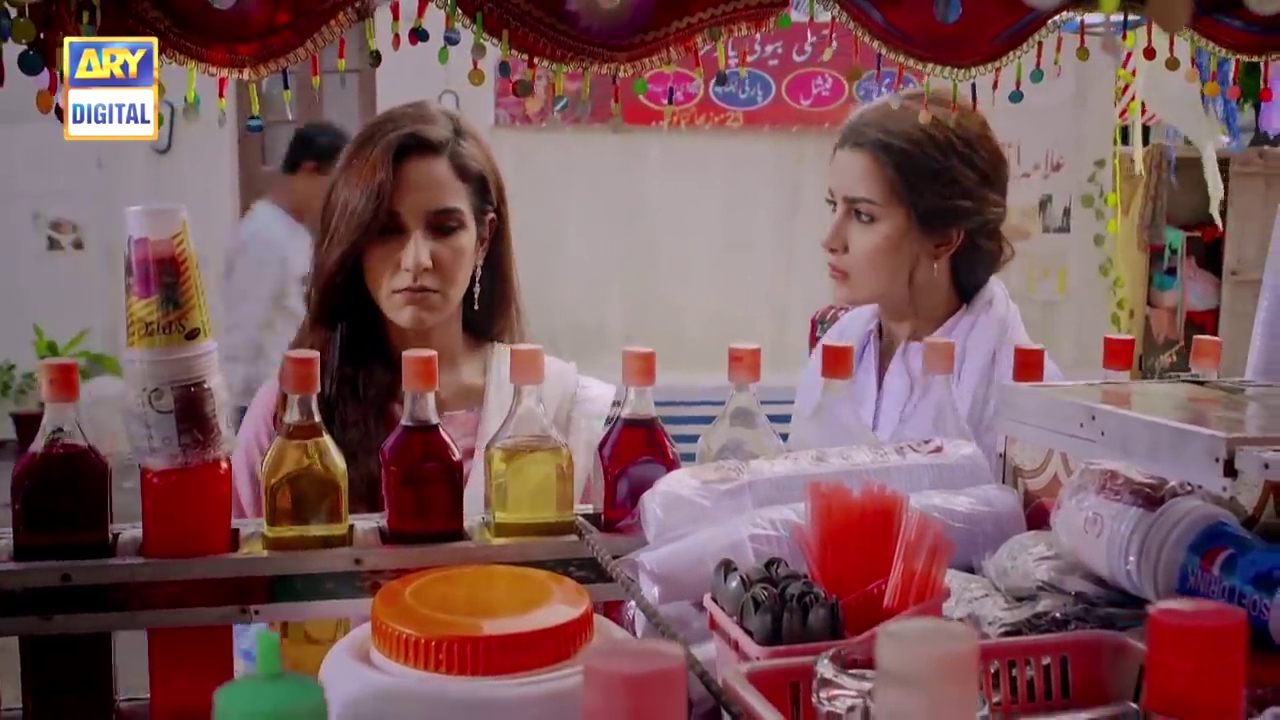
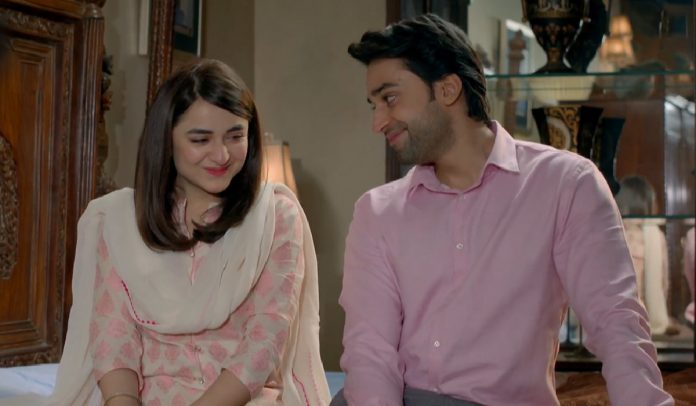
Pyar Ke Sadqay started at a time when our TV channels were filled with monotonous and dreadful storylines. The adorable story of Abdullah and Mahjabeen, played impeccably by Bilal Abbas Khan and Yumna Zaidi respectively, was appreciated by many. Both the characters made us laugh and weep with them. The show managed to fully get the audience invested in the story of this pair of Bawla and Bawli as they rooted for their happy ending.
Halfway through the story, things took a dramatic turn and it felt like maybe this pair of innocent lovers would not get to be together in the end. But the drama ended last night and needless to say, it ended on a note that was satisfying for both the story that the drama was telling and the audience who were invested in it.

The slap of the century

Although we do not condone violence of any kind, it becomes necessary to show some characters getting hit for all the horrible deeds that they have done. Sarwar was one such character. If someone ever made a list of the most impactful slaps in the history of Pakistani dramas, Abdullah slapping Sarwar would definitely be in the top three positions, if not the first. This was a slap that was a long time coming considering how violent Sarwar had been to Abdullah all his life, physically and mentally torturing him any chance he got. The slap was not just Abdullah standing up to his abusive step-father but also a husband finally standing up to defend his wife.

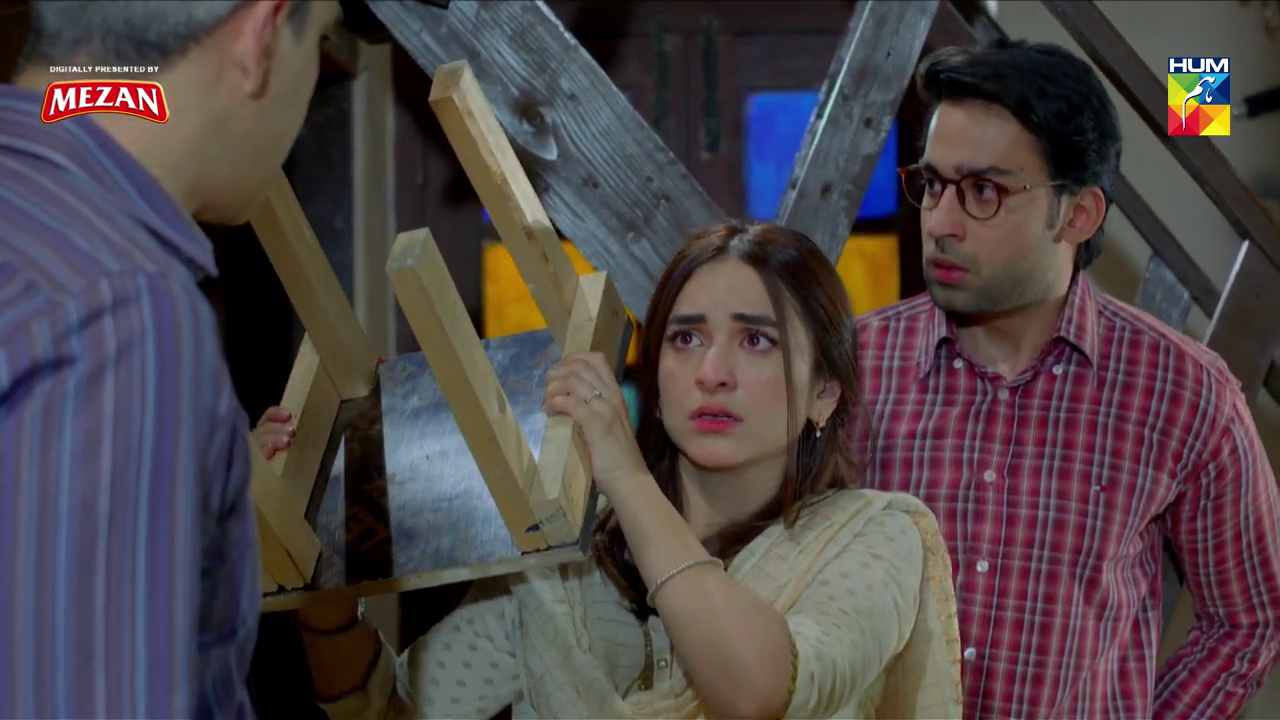
The scenes leading up to the slap were quite interesting. First of all, it was excellent to see that Mahjabeen actually remembered the horrible way Abdullah had treated her. In the beginning, her marriage was everything she wanted. However, as soon as Shanzay made her way back into their lives, it all changed. Within a few months, Mahajabeen lost everything: her husband, her dignity, and even her father. That is precisely why Mahajabeen declined at first when Abdullah asked her to go back with him to his house. But as soon as she saw Abdullah taking a stand for himself and her family against Sarwar by slapping him, she didn’t think twice before coming between them, literally. The way she defended Abdullah with a stool was both hilarious and refreshing.

Mansoora’s realization

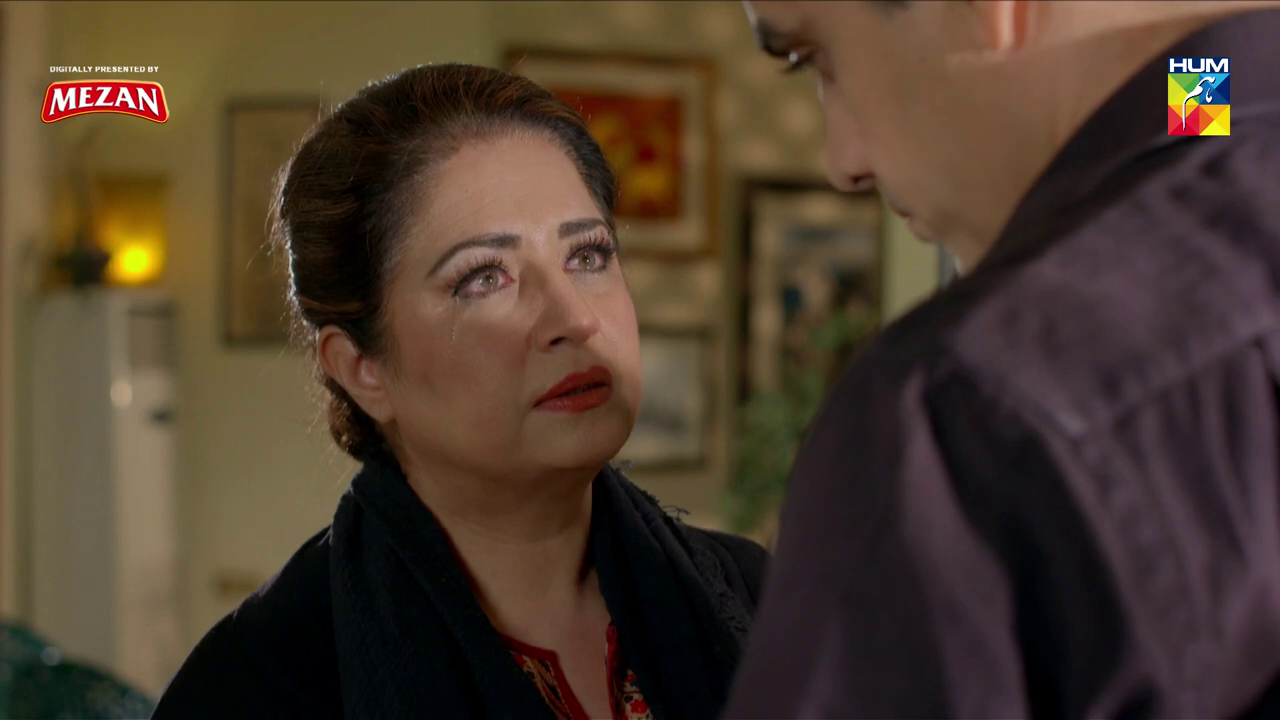
A part of Mansoora always knew that there was something off about Sarwar. So, to say that Mansoora realized her own worth in one episode would be discrediting the writer, Zanjabeel Asim Shah’s hard work. Mansoora always yearned for love. She accepted the love she thought she deserved, even from a guy like Sarwar. Though there were a lot of instances where she thought to herself whether what Sarwar was giving her was love at all. Her speech about how she needed to find her worth, peace, and love from within was inspiring.

Throughout the drama, Mansoora was shown as a sensible and calm person. Her outburst here was perfectly in line with her character. Atiqa Odho’s minute gestures and expressions were what made the character flawed yet easy to empathize with.

Progressive characters

Pyar Kay Sadqay may have lost its way somewhere around the middle, but one thing that was perfect even in those episodes was the acting. And among all, it was Srha Asghar that really shined as Washma. Whether it was her tongue-in-cheek replies to Sarwar or her lectures to Abdullah and Mansoora for not treating Mahjabeen the way she deserves to be treated, Srha Asghar played her part with perfection. We hardly see such strong characters on TV. Speaking of strong characters, Pho (Lala Rukh) was another highlight of the show. She was the sister of Shahbaz, Mansoora’s late husband, yet she still cared for each of the character’s well-being. And if that’s not all, she lived with Washma alone and never felt the need for a man in her life. Both Washma and Pho are the epitome of independent and brilliant women.

While the drama did female characters a huge favor, it treated the male characters in the same, typical manner. Abdullah’s confusing personality was what made everyone fall in love with the character at first. But after a few episodes, it was the same quality that made people hate him. He spends most of the drama going back and forth and being easily influenced and manipulated by the people around him. Sarwar blaming his evil nature on his mother’s upbringing was unremarkable. Both of the men had their own minds. They could have chosen the right way but they didn’t, intentionally. Nevertheless, all the characters get their fitting ending with Abdullah finally standing up to himself and going after what he actually loves and Sarwar ending up in jail as a punishment for all the crimes he did.

Endearing end to an endearing tale

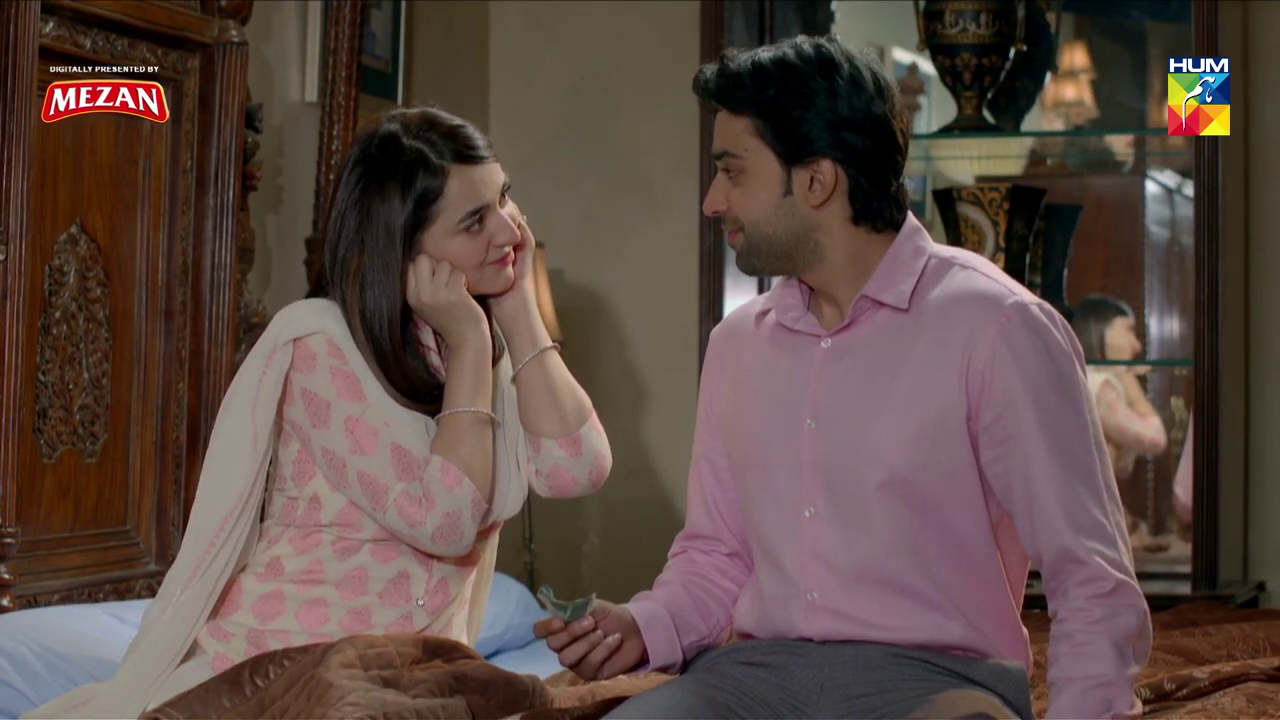
However, the USP of the show until the end was definitely the sweet tale of Abdullah and Mahjabeen. And the show’s ending did their story justice by showing how these two reconciled but they didn’t lose their banter and innocence which made them so endearing.

For all its highs and lows, Pyar Ke Sadqay was phenomenal drama. The way it infused the combination of humor and emotions was very delicately handled. We hope to see more light-hearted dramas in the future.

Have Mashal Khan And Ali Ansari Called It Quits?

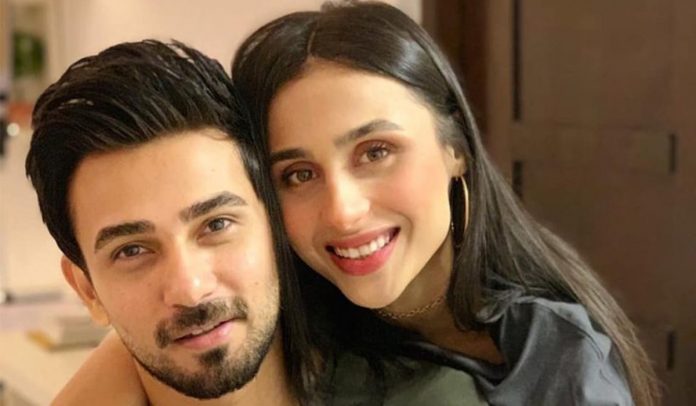
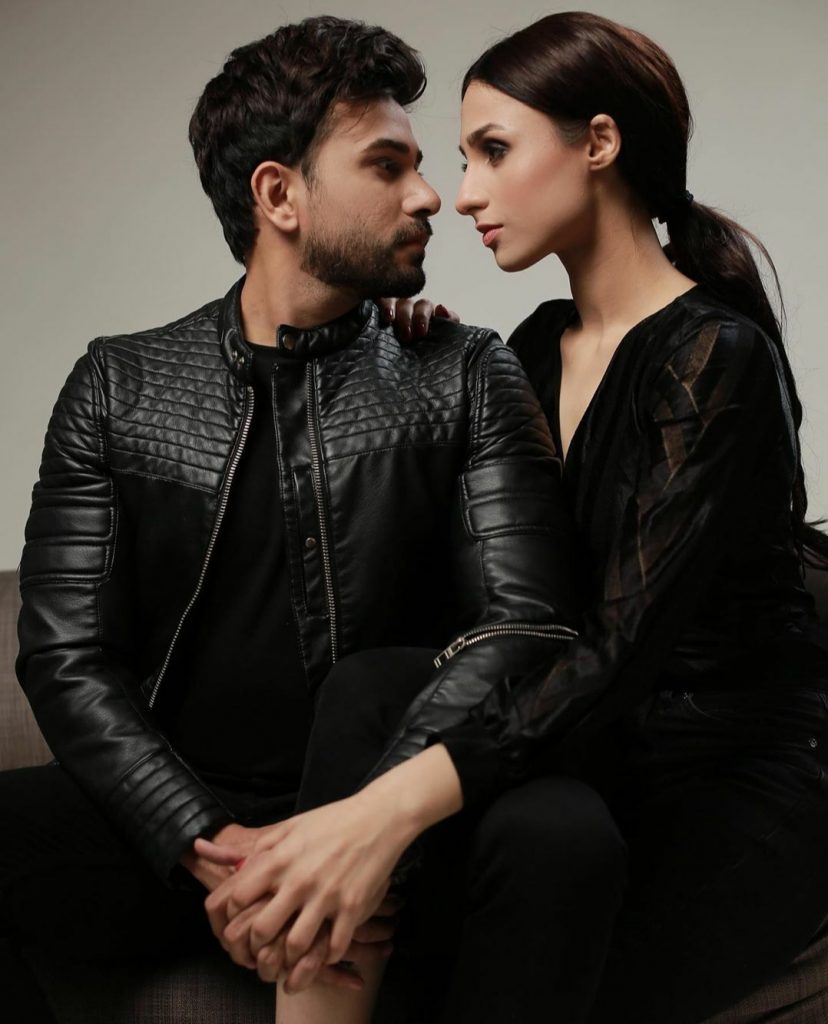
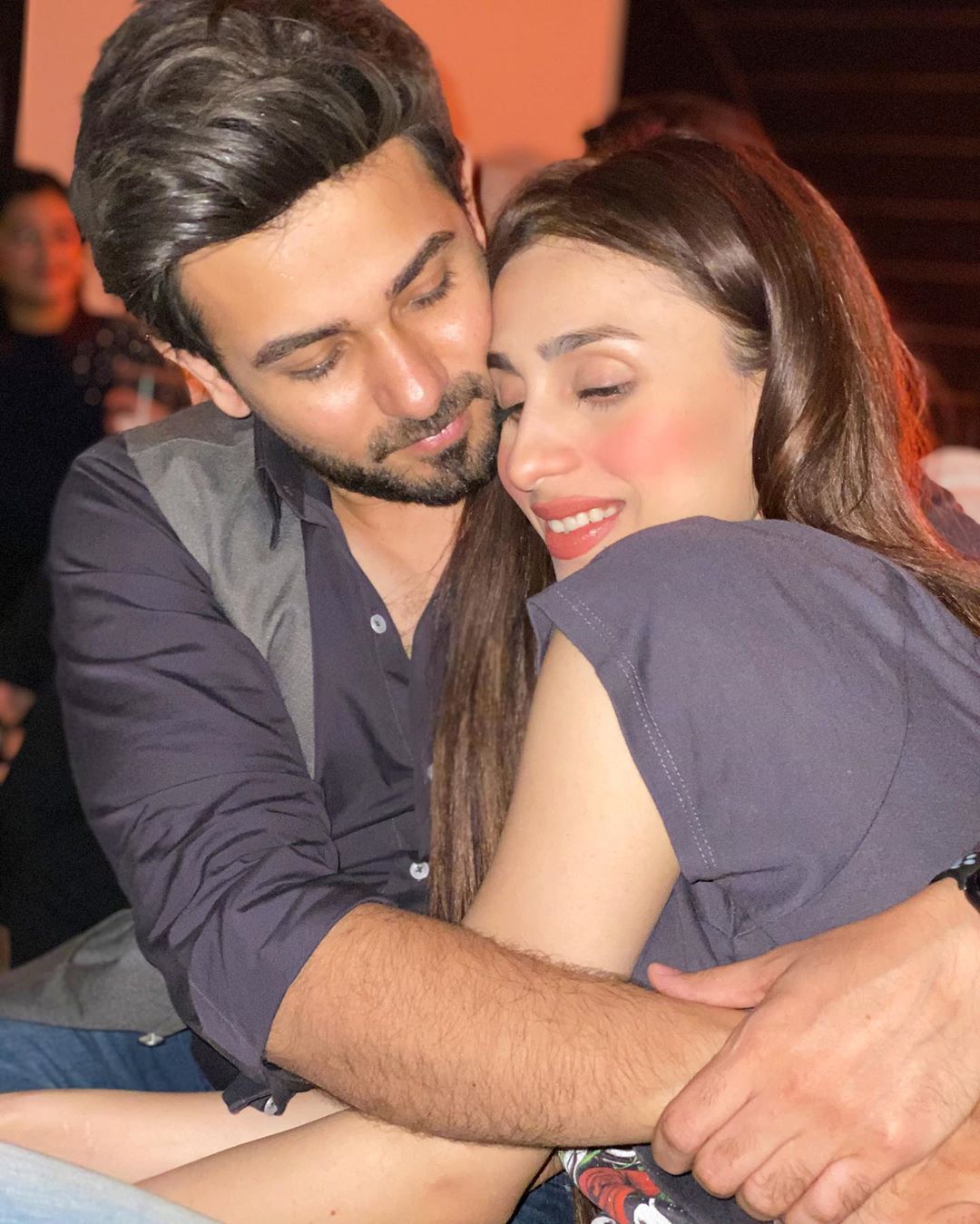
Seems like there is no dearth of heartbreak in our entertainment industry. If on one hand, there are couples celebrating new beginnings, on the other hand, the breakups don’t stop happening. And the latest couple to call it quits is that of Mashal Khan and Ali Ansari.

Mashal Khan and Ali Ansari had been in a relationship since 2018. The duo never worked together onscreen however, their chemistry was quite evident in all the offscreen stuff that they shared. So, when the eagle-eyed fans noticed how the two actors had stopped following each other on social media, eyebrows were bound to be raised.

The evidence

There was a point where this couple’s perfect Insta-game had made it obvious that the lovebirds were entirely smitten by each other. They were spotted together many times on various occasions. From voting together on the day of the elections to walking hand in hand at their friends’ weddings to posting some fiery photoshoots, the couple never missed a chance to show off their chemistry.

However, a quick look at their Instagram handles now shows that not only the two have unfollowed each other but all the pictures that they had posted together are nowhere to be found on their feed!

Further confirming their current broken up relationship status is a comment that Mashal Khan made on her Instagram live. Apparently, the actress confessed to having thrown out much “trash” (kachra) from her life recently. Ouch!

No happy ending

The duo had guest-starred on a show hosted by Reema Khan where they had confessed to being engaged for two and a half years. Their light-hearted banter was evidence of how comfortable the two of them were together. Mashal revealed that they hadn’t hit off at their first meetup. Ali however grew a liking towards her after interviewing her at a fashion show and immediately sent her a friend request on Facebook.

In the same interview, Ali had also confessed that Mashal was very “precious” to him. Every interaction the two had on social media always pointed at how in love and happy the two of them were together. But alas, it looks like this fairytale is not headed for a happy ending judging by the total change that has happened on their social media.

We can only hope the two of them are happy with whatever choices they have made.