Home Blog Page 4

Pashtoon Portrayal Probe in ‘Khaie’: Faysal Quraishi Speaks Out

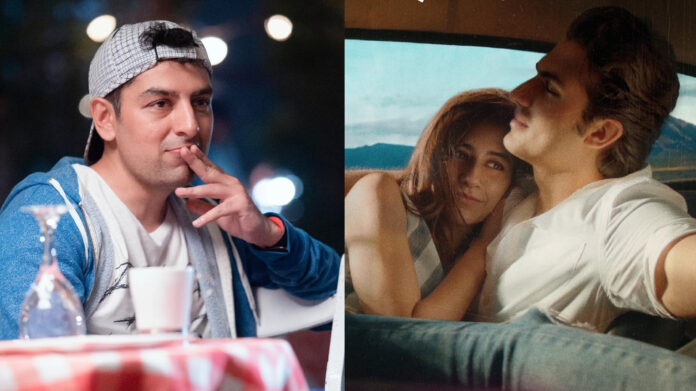
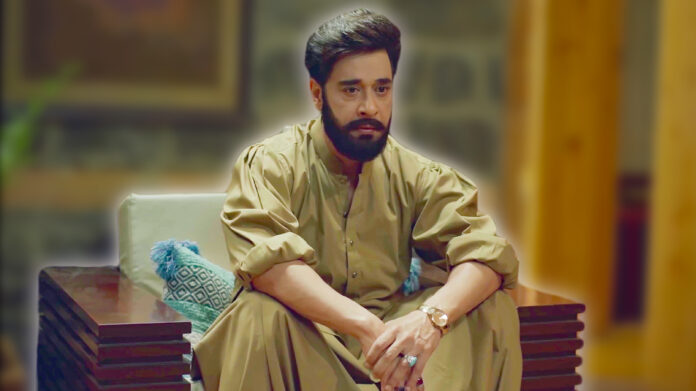
In the buzz of Geo Entertainment’s latest ‘Khaie’ there’s been a bit of a stir about how Pashtoons are portrayed. Written by Saqlain Abbas and directed by Syed Wajahat Hussain, the show has hooked audiences with its unique story. But, some folks are raising eyebrows over the way Pashtoons are shown — think rivalries and cruelty. Faysal Quraishi, who plays the lead Chanar Khan in the drama, recently chatted with Geo Digital about all this. He spilt the beans on post ‘Khaie’ stuff and how he sees things beyond the screen.

The Zulm star mentioned that he has been inundated with messages ever since ‘Khaie‘ hit the screens.

“People are still messaging me, sharing their own experiences of tribal disputes. Some mentioned how the rivalry of their ancestors forced them to leave their town. They feel a personal connection to the story as if it mirrors their own experiences. However, some Pashtoon friends felt uneasy, thinking we portrayed their community negatively. I want to clarify that ‘Khaie‘ doesn’t depict any specific tribe or community—it’s a fictional world. The characters exhibiting rivalry or cruelty are just that: characters. Yet, these narratives resonate with many, reflecting the realities present in various tribes.”

Quraishi’s Insights: Embracing Complex Characters

Observing Quraishi portray various shades of grey characters sparks curiosity about why our hero material gravitates towards such roles. He also embodies the notorious Jamal in Hum TV’sZulm,’ written by Rehana Aftab and directed by Ilyas Kashmiri. When asked about this, he shared his insight:

“I’ve actually turned down about 3 or 4 projects because the scripts didn’t appeal to me. Even some projects pitched by friends didn’t strike a chord with me. If something doesn’t excite me, I can’t fully enjoy it. And if I’m not enjoying it, how can I expect my fans and viewers to? It’s crucial to find enjoyment in your work. Unfortunately, we’re lacking in quality scripts. That’s why I chose to work on ‘Khaie‘ and ‘Zulm.’ Both scripts were exceptionally well-written, with everything seamlessly connected. While ‘Khaie‘ turned out to be a surprise hit, ‘Zulm‘ has its own charm. I thoroughly enjoyed portraying both characters.”

From television to the silver screen, Quraishi continues to captivate audiences with his portrayal of unique characters. With projects like Abu Aleeha’s ‘Mango Jutt’ set to release on Bari Eid, and the recently wrapped shooting for Rafay Rashidi’s horror flick ‘Deemak,’ he demonstrates his versatility and knack for surprising viewers.

“I Sold My House To Make Babylicious”: Filmmaker Essa Khan Suggests 7 Ways To Elevate Pakistani Cinema

Lahore-based filmmaker Essa Khan, who wrote, directed, and produced the film ‘Babylicious’ shared his struggles in an article for Express Tribune, detailing the challenges he faced during the five-year process of creating the film. He revealed that, in order to secure an additional 15 days of filming, he had to sell his family home and part ways with his Bitcoin stash, receiving only $6,000. Essa proved us instantly wrong, as the feeling started to sink in that this was a plea for sympathy, redirecting his focus to shed light on the current state of filmmaking in Pakistan.

The filmmaker, with absolute sincerity, expressed his desire to see Pakistan’s film industry flourish and presented seven key points that advocated for a transformation in the industry.

Encouraging Corporate Investment with Tax Incentives

Essa advocates for a cinematic strategy inspired by Korea, proposing the encouragement of conglomerates to invest in the film industry through tax incentives. This approach aims to motivate corporate entities to allocate funds for film projects, fostering a structured and sustainable engagement.

Focus on Skill Development Over Financial Grants

The article cautions against a narrow focus on providing financial grants to local filmmakers without addressing the crucial aspect of skill development. The suggestion emphasizes the need for continuous improvement in the skill levels of local talent to ensure sustainable growth and competitiveness on an international scale.

Redefining Success Metrics

Essa also challenged the conventional success metrics in the film industry, urging a shift from solely evaluating box office numbers and cinema proliferation to assessing the health of the industry based on the influx of skilled individuals into the workforce. This approach underlines the necessity for continuous talent development.

Ending Film Censorship for Artistic Freedom

The recommendation includes advocating for the end of film censorship to grant filmmakers and cinema owners the freedom to express their creativity without government intervention. Essa argues that this move aligns with the progressive ideals of the 21st century and will lead to more imaginative and diverse film themes.

Reviving Single-Screen Cinemas and Ethical Operation

The proposal also suggested shifting the focus from multiplexes to the revival of single-screen cinemas. This entails government support, leasing land to private parties with profit-sharing agreements, and an emphasis on ethical operation by cinema owners. The aim is to create a more inclusive and ethical cinema industry that caters to a broader demographic.

Government Intervention in Controlling Location Rents

Raising a unique point, Essa advocated the importance of government intervention in controlling location rents to address escalating film production costs. The argument centres’\ around making public places more accessible and affordable for filmmakers, drawing inspiration from the success of the French New Wave.

Shifting Focus to Single-Screen Cinemas

The final recommendation proposes a shift in cinema focus from multiplexes to the revival of single-screen cinemas. Drawing parallels with India’s successful model, the suggestion involves government support, leasing land to private parties with profit-sharing agreements, and ethical operation by cinema owners. He urged that the goal is to create a more inclusive and ethical cinema industry.

It is refreshing to see a young artist so passionate about the local industry and advocating for unique and well-thought solutions to elevate the current local filmmaking landscape. We hope that the innovative ideas suggested by Essa Khan are taken into consideration by the policymakers and with a new government taking charge soon, following elections, we can see a positive change for the entertainment industry as well.

5 Classic Pakistani Dramas That Left A Lasting Impression

Pakistani television dramas have long been celebrated for their compelling narratives, exceptional performances, and ability to resonate with audiences. In recent years, several Pakistani dramas have stood out, leaving an indelible mark on viewers. These dramas not only garnered widespread acclaim for their powerful storytelling and memorable characters but also left a lasting impression on the audience on the other side of the border as well. Among these from the recent classics are, ‘Mere Pass Tum Ho,’ ‘Alif,’ ‘Pyaray Afzal,’ ‘Humsafar,’ and of course the evergreen classic ‘Khuda Aur Mohabbat.’ Let’s look in detail towards these 5 recent classics that managed to wow everyone, left, right and centre.

Mere Paas Tum Ho

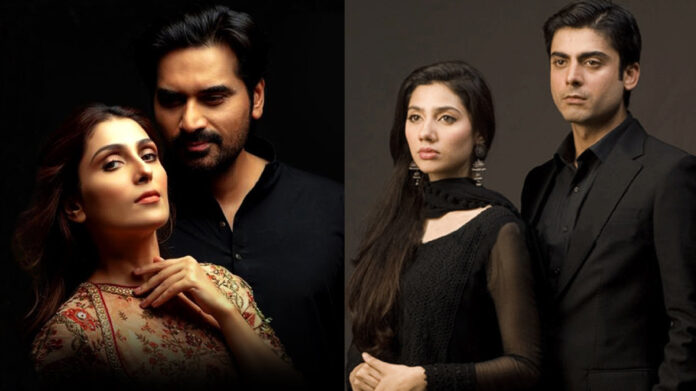
‘Mere Paas Tum Ho,’ written by Khalil-ur-Rehman Qamar, became a cultural phenomenon, captivating audiences with its intense storyline and exceptional performances. The drama revolved around the complexities of love, betrayal, and redemption. Humayun Saeed’s portrayal of the emotional, Danish, Ayeza Khan as the greedy, vain Mehwish and Adnan Siddiqui’s powerful performance as the anti-hero Shahwar added depth to the narrative. The gripping dialogues and emotional rollercoaster kept viewers hooked until the end, making it one of the most talked-about dramas in recent memory. Danish’s ‘Do takay ki aurat’ still resonates in our ears, to this day.

Alif

‘Alif,’ penned by Umera Ahmed, was a drama about a spiritual journey that delves into the complexities of life, love, and faith. The drama beautifully intertwined the worlds of a successful filmmaker, Momin (Hamza Ali Abbasi), and a struggling artist, Momina (Sajal Aly). Husn E Jahan played by Kubra Khan was one of her best characters. The stunning visuals, profound dialogues, and a thought-provoking narrative set against the backdrop of art and spirituality earned ‘Alif’ critical acclaim. It left a lasting impact by encouraging viewers to reflect on their own spiritual journeys.

Pyaray Afzal

‘Pyaray Afzal’ is a timeless classic that continues to be revered for its exceptional storytelling and stellar performances. The drama, written by Khalil-ur-Rehman Qamar, followed the journey of Afzal (Hamza Ali Abbasi), a young man living an aimless life and diving into the complexities of love and sacrifice. The chemistry between Hamza Ali Abbasi and Ayeza Khan, coupled with the emotional depth of the storyline, made ‘Pyaray Afzal’ a memorable and beloved drama that resonates with audiences to this day.

Humsafar

‘Humsafar’, starring Fawad Khan and Mahira Khan, remains one of the most iconic Pakistani dramas. Adapted from Farhat Ishtiaq’s novel, the story revolves around the tumultuous relationship between Ashar and Khirad. The audience revered the chemistry between the two leads and fell in love with Ashar and Khirad more than Fawad and Mahira. The drama’s success can be attributed to its compelling narrative, strong character development, and the sizzling on-screen chemistry between the lead actors. ‘Humsafar’ not only captured the hearts of Pakistani audiences but also gained international acclaim for its portrayal of love, sacrifice, and societal expectations.

Khuda Aur Mohabbat

‘Khuda Aur Mohabbat’ has become synonymous with intense love and spiritual exploration. Based on Hashim Nadeem’s novel, the drama follows the journey of Farhad (Imran Abbas), a young man from a humble background, who falls in love with the affluent Mahi (Sadia Khan). The exploration of religious themes and the challenges faced by the characters in their pursuit of love and faith struck a chord with viewers. The OST was to die for. The drama’s success led to multiple seasons, each maintaining the high standards set by the original but never surpassing the original.

These Pakistani dramas, including ‘Mere Pass Tum Ho,’ ‘Alif,’ ‘Pyaray Afzal,’ ‘Humsafar,’ and ‘Khuda Aur Mohabbat,’ have left an indelible mark on the landscape of Pakistani television. Through their engaging narratives, stellar performances, and relatable characters, these dramas have not only entertained but also sparked meaningful conversations and reflections on life, love, and societal norms. As the Pakistani drama industry continues to evolve, these classics serve as a testament to the enduring power of storytelling.

Ali Zafar And Aima Baig All Set To Sing The PSL 9 Anthem

The PSL anthem has been the topic of great conversation ever since the event was announced. Whether audiences love the anthem or hate it, they are sure to make their opinions heard on social media. PSL’s 9th Season is set to start on February 17th and there’s already great hype and controversy surrounding the anthem.

Ali Zafar has always been a fan favourite when it comes to sports anthems. The singer even sang the anthem ‘Ab Khel Ke Dikha’ in 2015 for PSL’s debut season. Upon fan demand, Zafar was hired once again for the job, late last year. This was met with great joy from PSL fans, only for Zafar to then be taken off the board due to his controversial case regarding Meesha Shafi.

Earlier Ali Zafar was removed from singing the PSL anthem, allegedly due to his previous harassment case by Meesha Shafi. PSL has now announced that Ali Zafar was reinstated and will be working with longtime collaborator Aima Baig for the anthem.

Ali Zafar Reinstated

PCB’s decision to take Ali Zafar off the anthem was overturned solely because of fan backlash. This sets a great precedent for online fanbases to use their power and make their voices heard. Zafar was also quite savvy in mobilizing his fanbase, as he made a bunch of cryptic posts on X (formerly known as Twitter).

These posts made fans themselves put two and two together and get up in arms to defend the superstar. It is also worth noting that the anthems not made by Zafar were all panned by audiences. This could also be the case of no other artist wanting to step into Zafar’s shoes and subject themselves to the vitriol, leaving PCB no other choice but to bring him back.

Fans rejoiced over this news as PSL took to X to make this announcement. The post read “Seeti Tou Bajay Ge. Countdown to HBL PSL 9 Anthem Excitement! Ali Zafar is set to immerse his magic to the official HBL PSL anthem 2024.”

The video featured Zafar playing the melody to his 2017 PSL anthem ‘Ab Khel Jamay Ga

PSL 9 Anthem

Ali Zafar will be collaborating with singer Aima Baig for the anthem. This won’t be their first collaboration, having previously worked on the hit soundtrack for ‘Teefa In Trouble.

Not a lot has been revealed about the anthem but with the tournament starting in two weeks, we might be getting the song any day now. One thing we do know is that these two powerhouses will put on a great show.

The 9th Season of PSL is set to begin on February 17th and we are sure to get the anthem before that.

‘Breaking News’ Concludes Leaving Us Wondering The Reason Behind Low Viewership

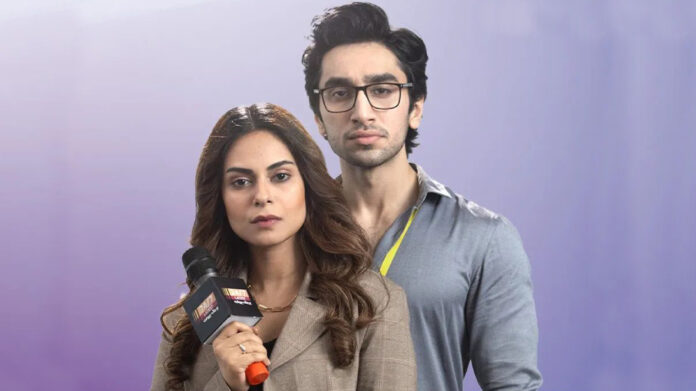
Green Entertainment’s Breaking News’ took the internet by storm, as the underdog drama surely but assuredly established itself as a must-watch. Produced by Q&K Productions in association with Multiverse Entertainment, ‘Breaking News’ revolves around two emerging and passionate journalists who refuse to surrender to the corrupt system and aim to traverse through the world of journalism with honesty and integrity.

The drama’s curtain falls as it bids farewell to the audience, providing them with an immersive viewing experience by exploring the inner workings of the world of journalism and media houses. Let’s see what the last episode had in store for us.

‘Breaking News’ concludes on a realistic note

The last episode was action-packed as the drama continued to unfold at its own rhythm. We witnessed several twists and turns as Mishal, played by Amar Khan, finally realized the true face of Azmat, essayed by Haseeb Khan. The last episode demonstrated the power of journalism and media houses in a true sense and concluded the drama with subtle messaging, avoiding overtly sensational scenes.

The true fight between good and evil, evident throughout the drama, persisted. As Azmat revealed his true colours, Mishal and Hussain took to exposing him by posting on YouTube. What stood out was the realistic tone and how they concluded it. Despite exposing the inner workings, they acknowledged that, in the end, those in power often go unpunished, mirroring the reality of our society. However, they also portrayed a glimmer of hope as they hinted at Mishal and Hussain’s YouTube channel gaining popularity, offering a ray of hope for them and a subtle message for all its viewers.

What stood out?

‘Breaking News’, written by Aamir Raza and directed by Kashif Nisar, proved to be a captivating drama. What set ‘Breaking News’ apart was its refreshing plot, a departure from the conventional narratives on Pakistani television. It was indeed refreshing to see a fresh storyline on the television screen, as we explored the insights into the world of journalism and media houses, depicting various shades of the same profession.

‘Breaking News’ not only had us on the edge of our seats with its gripping drama but also delivered a romantic plot that was anything but ordinary. We see a couple navigating the chaos of sharing the same profession, and they didn’t just show the glamorous side. This wasn’t your typical lovey-dovey scenario but instead, the magic happened as they authentically tackled work-life balance.

What stole the show, though, was the male lead cheerleading for the female without any hidden agenda. Now, that’s a rare sight on our TV screens! We absolutely loved that ‘Breaking News’ wasn’t just breaking norms but also breaking our hearts (in the best way possible).

The brilliance in execution

In addition, the collaborative brilliance of direction and writing unfolds a narrative free of plot holes and firmly grounded in reality. The dialogues echo real-life conversations, enhancing the authenticity of the storytelling. Kashif Nisar’s exceptional directorial skills shine once again, vividly illustrating the world within the drama. Whether it’s the bustling newsroom or the outdoor scenes depicting research, every aspect is executed with brilliance, making ‘Breaking News’ a truly exceptional watch.

Performances

Amar Khan and Hamza Sohail were an absolute dynamite duo, bringing brilliance to their roles in ‘Breaking News.’ Their on-screen chemistry was a joy to watch, effortlessly portraying a connection that felt genuine. The ease in their interactions, both individually and together, spoke volumes about their investment in these characters.

Amar Khan, shedding all her glamour, embraced her character fully. Hamza Sohail, despite being only a few projects old, didn’t shy away from singing a role that defied our conventional macho hero on-screens and instead fearlessly tackled a role far from the glamour, that too with complete sincerity.

Other noteworthy performances were of course brought to life by Ali Safina as Naveed Khan and Haseeb Khan as Azmat, who brilliantly played the two corrupt people in power.

The rest of the cast included Saleem Mairaj, Faizan Gillani, Syed Tanveer, Inam Khan, Ayesha Ali, Aabid Ali, Umer Abdul, Ali Jaan, Rasheed Ali, Zeeshan Haider, Alee Hassan, Saima Saleem, Saad Haider, Shabana Quraishi, Ali Agha, Zahid Qureshi, Ishan Malik, Seerat Roshan, Faiz Chohan, Saima Butt, Afzaal Nabi, Mazhar, and Khalid Butt.

Why then did ‘Breaking News’ struggle with viewership?

The limited viewership of a gripping drama like ‘Breaking News’ raises questions. It’s disheartening to see such compelling projects not getting the attention they deserve. Despite its well-crafted characters and engaging plots, the drama seems to have missed the viewership mark.

A possible factor for lower ratings could be the drama airing thrice a week. In our busy lives, keeping up with such frequency can be a challenge, causing viewers to miss out on promising projects. Let’s hope for a shift in viewing patterns to encourage quality content on our screens and signal to producers that audiences are ready for such narratives.

Serial Killer: Saba Qamar’s Desi Murder Mystery Concludes, Leaving Us Wanting More

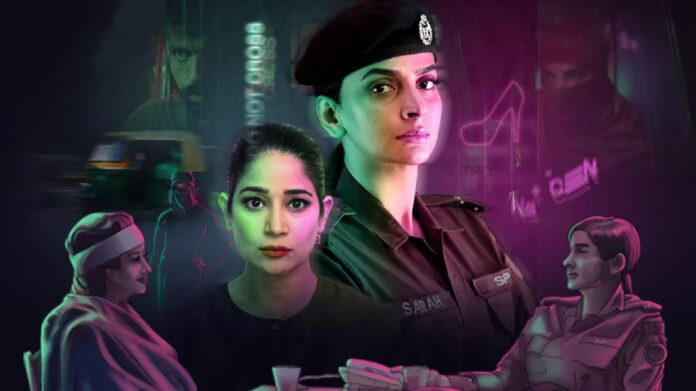
Green Entertainment’s ‘Serial Killer’ proved to be a riveting and immersive series, skillfully engaging all the senses and delivering a compelling suspense-thriller. Its remarkable aspect was its ability to captivate the audience within a concise timeframe, wrapping up the storyline in just 11 episodes over a month. Despite its brevity, the series didn’t fall short on content; instead, it left a lasting impact as viewers deeply connected with the characters, ensuring a thoroughly enjoyable experience.

The unique blend of suspense and brevity in ‘Serial Killer’ showcased Green Entertainment’s storytelling prowess. The concise narrative didn’t just keep the audience on the edge of their seats; it left them satisfied, having experienced a thrilling journey that resonated well beyond the conclusion of the series. Green Entertainment succeeded in delivering a captivating drama that didn’t overstay its welcome, marking a refreshing change in the industry.

Spoiler Alert!

The concluding episode of ‘Serial Killer’ paid homage to Faiza Gillani’s exceptional acting prowess, showcasing her brilliance in a remarkable performance. The climax, centred around Barbara, portrayed by Faiza Gillani, was particularly intense. As Batool unveiled her darkest secrets and confessed to her crimes, the audience was taken on an emotional rollercoaster. While the audience felt sympathy with Barbara, her chilling laughter reminded viewers of her sinister nature, creating a gripping experience.

The episode delved into Barbara’s tumultuous life, providing insight into the hardships she endured. However, a plot hole emerged regarding Barbara’s confession, leaving viewers questioning her choices. Another intriguing yet perplexing element introduced was the revelation concerning Sarah Sikander, portrayed by Saba Qamar. The shock value of Sarah realizing her own grandfather’s involvement in her parents’ death was staggering, but the plot’s logic raised questions, adding an unexpected twist and leaving the audience with lingering suspense.

The Story

Penned by Umera Ahmed, directed by Fahad Noor, and produced by Misbah Shafique, the series stands as a remarkable suspense-thriller, meticulously designed to enthral the audience. With a plot rich in complexity and intrigue, the drama unfolds as a gripping tale, weaving together various elements to keep viewers thoroughly engaged.

At the story’s core is Sarah Sikander, portrayed by Saba Qamar, who returns from America with ambitions in law enforcement. Entrusted with the investigation of a mysterious corpse found in a suitcase, Sarah navigates through challenges that unravel aspects of her personal life. The drama introduces a diverse ensemble of characters, contributing to the narrative’s depth and making it a well-received suspense thriller.

Performances

The drama boasts a stellar cast, featuring the remarkable talents of Saba Qamar, Sabeena Farooq, Danial Raheel, Faiza Gillani, Amna Malik, Shah Fahad, Ahmed Randhawa, Fahad Hashmi, Ali Hasan, Sabeena Farooq, and Sarmad Aftab Jadran.

Stealing the spotlight was none other than Saba Qamar herself, who effortlessly immersed herself in the role of Sarah Sikander. Saba conveyed Sarah’s loneliness and her unwavering commitment. She effortlessly cast off her star power to deliver a performance that made us genuinely connect with the character. Throughout the drama, there wasn’t a moment where you could catch a glimpse of the actress behind the role true testament to her acting prowess. Saba Qamar conveyed Sarah’s loneliness and her unwavering commitment.

Not to be overshadowed, Faiza Gillani showcased her exceptional skills, embracing her character and keeping us hooked with the nuances she brought to each episode. Her scenes were performed with such brilliance that they evoked discomfort yet managed to captivate our complete attention.

Meanwhile, Sabeena Farooq and Danial Raheel delivered stellar performances, providing viewers with an immersive and thoroughly engaging experience.

‘Serial Killer’ offered a true Netflix experience

The series set itself up as something brilliant right from the beginning. The direction and writing were well-done, conveying to the audience that this wasn’t just a mindless watch. As the episodes unfolded, viewers found themselves engaged in a guessing game, unable to conclude who the killer might be—an ode to the combined excellence of writing, direction, and acting, ensuring the suspense remained intact until the last episode.

Unravelling a murder mystery set within our own culture was not only intriguing but also a refreshing departure from Pakistani storytelling. The exploration of new genres in the local context adds a unique flavour to the narrative landscape. Plus, Umera Ahmed remained true to her signature style of writing, as she included elements of social messages of corruption and feminism, which were woven well in the storyline.

What particularly stood out was the drama’s concise nature, concluding within eleven episodes over the course of a month. In an era where time constraints often deter audiences from committing to lengthy series, such compact projects offer a welcome alternative for those seeking to watch binge-worthy content. This leaves us hopeful for more projects of similar brevity and quality in the future.

What could have been better?

 While this was a brilliant attempt towards direction, there were some instances where the direction faltered, causing certain scenes to feel disjointed and repetitive, detracting a bit from the overall impact. We also felt some things could have been shot better from a more flattering angle.

Also, some of our questions remained unresolved as the series ended. While we appreciate the skill of a cliffhanger, these seemed more like plot holes.

Nevertheless, ‘Serial Killer’ is a must-watch if you are looking for an immersive show to binge-watch.  

Rahat Fateh Ali Khan’s Apologetic Video: Addressing The Controversy Of The Infamous Bottle

Social media is abuzz following the leaked video featuring singer Rahat Fateh Ali Khan and his student Naveed, stirring up a storm online. In a bid to address the controversy head-on, Rahat Fateh Ali Khan has taken matters into his own hands. In a new video posted on his official social media accounts, he personally acknowledges his mistake and extends a sincere apology for his overly strict behaviour towards Naveed.

“I express my sincere apologies for the mistake I have made. First and foremost, I seek forgiveness from my God, acknowledging that He created all humans equal. As a fellow human being, I deeply regret my actions and recognize that I should not have behaved in such a manner towards another human being. Furthermore, as an artist, I am acutely aware that my actions should reflect the values of compassion, understanding, and respect,” he begins with an apology and continues by mentioning his family’s association with Qawwali.

“I extend my heartfelt apologies to my family, friends, and dedicated fans who have been hurt by my recent behaviour. My family, with a rich heritage of 600 years in the art of Qawwali, has always conveyed messages of love, peace, and brotherhood. I deeply regret any pain caused and seek forgiveness from my God. The video in question is from nine years ago, and I am unaware of the extent of videos being circulated without my consent. I’m aware of upcoming videos, which began surfacing after our press conference. I question the timing—why not earlier if the intent is to champion humanity? Nevertheless, I choose to view this positively; their actions prompted me to recognize my fault,” he said.

“I deeply respect those who have boycotted me out of love, aiming to guide me. I apologize to them and all affected by my actions. Addressing the videos, I assert they are planted and fabricated, an unsuccessful attempt to humiliate me. Moving forward, I will continue singing. My sincere apologies extend to the singing community, co-artists, female colleagues, and music directors who have worked with me.”

In a concise podcast snippet with Adeel Asif, Khan reveals he apologized to Naveed, who was perplexed by the gesture, saying that ‘I immediately apologized to him. After my apology, he tearfully questioned, ‘Ustad ji, why are you apologizing?’ Khan highlights his substantial support for Naveed’s family, covering medical expenses and contributing to weddings.

Regarding the infamous bottle – of holy water [Dam Wala Pani], Khan reaffirms its spiritual significance, frustrated by the misunderstanding. He laments the lack of depth in people’s understanding, emphasizing the profound emotional and spiritual value attached to it. Khan concludes by affirming that despite challenges, he will continue his musical journey.

As the video surpasses 1 million views on Facebook, an online battlefield unfolds—some applaud Khan’s gesture, while others question its authenticity. Yet, in the midst of this digital storm, a serious note emerges. If, as Khan anticipates, more videos loom on the horizon, the situation becomes more ominous. It’s a call for Khan to take decisive action, not just to defend his image but to navigate the turbulent seas of scrutiny in the age of social media.

‘Taxali Gate’ Makers Reveal Film’s Significance, Power Of Consent, And More

Embracing the terrain of dark comedy and social commentary, Abu Aleeha’s film ‘Taxali Gate’ promises a murder mystery and a story about a fight for justice, infused with dark humour. The story unfolds against the vibrant backdrop of Lahore’s Heera Mandi. Ayesha Omer leads a stellar cast, including Yasir Hussain, Mehar Bano, Umer Aalam, Iffat Omar, and Nayyer Ejaz, offering a captivating tribute to artistic brilliance.

As ‘Taxali Gate’ is set to hit screens on February 16th, the team of the film shared their experience of the entire shoot. During an exclusive chat with Galaxy Lollywood, Ayesha Omer, Yasir Hussain, Abu Aleeha, and producers Waqas Rizvi and Barrister Shabbir Shah spill the beans on the film, adding an extra layer of anticipation to this wild ride.

‘Taxali Gate’ is an ode to its residents

With its narrative orbiting the challenges faced by the residents of ‘Taxali Gate’ and underlining the complexities of Lahore’s red-light district, the film naturally drew attention to this unconventional backdrop, inevitably making it the centrepiece of the storyline.

In fact, producer Waqas Rizvi disclosed that the shoot’s location played a pivotal role in persuading him to join the project. He said,” As a producer what attracted me to this film and convinced me to do it was the shoot of the red-light area. Since our childhood, we have been hearing about these 12 doors, Heera Mandi and the Taxali area and the environment of these places. We have also heard about the festive season of Basant happening there and Pakistan’s biggest food street being located there.”

Directed and writer of the film, Abu Aleeha also emphasized that he wanted to ensure that the story of Heera Mandi was told in its rawest form and the film conveyed how they live in their daily lives. “I think the audience will like the dark humour and the bold dialogues because they aren’t forcefully added. We are telling the story of the people who have lived there. You wouldn’t feel in the story that we have added any dialogue or abusive language where it wasn’t needed. At some places, you feel that when someone abuses, they are actually crying.”

Addressing the element of dark comedy in the film, which is very evident from the trailer, producer Waqas Rizvi pointed out that this is what makes the film true to reality as they have tried to depict how the people living there communicate in their everyday lives. He said, “Dark comedy or daily humour. The thing they call dark comedy, people of that area call it daily humour. It’s just like every city has a different humour. Yes, you can consider it dark humour in the sense that these are jokes that you can’t say in front of your elders, but we do use it in front of our friends. People will enjoy this film especially because it’s in Punjabi and comic timings are better in Punjabi.”

‘Taxali Gate’ revolves around the idea of consent

What stands out most for us is how the entire team is sensitively yet proudly advocating for the idea of consent and the grave matter of rape and injustice, which is highly prevalent in our country. The team emphasized how they addressed the subject matter with due diligence.

The film navigates around the ideas of consent and women’s empowerment. It also represents the voice of oppressed in the society who are often ignored and don’t have a channel to seek justice.

Executive Producer, Shabbir Shah brilliantly encapsulated the definition of content and degrees to it. He explained, “This movie identifies three degrees of consent and meaning of consent. Consenting to meet someone doesn’t mean you consent to touch, consenting to touch doesn’t mean consenting to kiss and a consent to kiss doesn’t mean consent to penetrate. This movie could actually be a public awareness campaign right before Valentine’s Day to educate young couples on their rights. Merely because they have agreed to go out on a date doesn’t mean they have consented to everything. You must separately consent to each and every act.”

Producer Waqas Rizvi also agreed with his statement and added, “I think the audience through this film will realize that an educated girl, who is living there and is better than that family, will fight for her own rights when she needs to. Plus, she isn’t alone and other people will fight alongside her. Also, the film will show a junior lawyer explaining to her the corrupt realities. Through this film, the audience will learn about right and wrong.”

He further described that while they made a conscious effort to depict the gruesome realities, they were also careful to shoot the film in such a way that it wouldn’t be banned. Rizvi said, “The concept for this film is to show how the people living there fight for their rights. There was a thin line showing this and there was also a risk factor. But I knew this would be critically acclaimed. We have also made sure we don’t show anything that can result in this getting banned, as you know Javed Iqbal was also banned over a small thing.”

Actress Ayesha Omer also added, “Rape is a very taboo and sensitive subject. It’s already hard to have a conversation about this. There is also a conversation about consent. We are also talking about the social construct of society in which those who aren’t privileged don’t get certain support and how they are treated. It is a true reflection of society.”

Yasir Hussain and Ayesha Omer share interesting revelations about the film

Actor Yasir Hussain revealed why he decided to sign this film when asked what motivated him to do this project.  “The reason behind signing such characters is that in Pakistan very few commercial films are produced. Also, when such films are produced, big actors, like Fahad Mustafa and Humayun Saeed will be cast in those. They also deserve this considering the amount of time they have given to this industry. So, the films that are left are offered to me and I see among those who have a good script and I sign that one. This film has a good script.”

Talking about his character in the film, Yasir explained, “The character in this film is a marasi who later becomes a pimp for Ayesha Omer. The girl who is raped is his niece and to get her justice, I and Nayyer Ijaz, who is playing the role of the girl’s father are trying to get justice for her. Just like it happens in our country.”

The pride was evident in Ayesha Omer’s voice as she described her character, hinting towards the fact that she has entirely embraced her role. Describing her character she said, “I am always very inspired by strong and empowered characters of any strata of our society and different income brackets. The strength of Muskan and her integrity, despite being someone who is looked down upon in our society, inspires me. She has our principles and values and is fierce. She is also searching for love like we all are.”

Ayesha also described the process in depth of how she moulded herself into the character of Muskaan. “Abu Aleeha and I had a lot of discussions about this film. I instantly got attracted to the character and it invoked a vision in me. I did a lot of reading about the mindset of someone who has gone through what Muskan has seen in her life. I wanted to know what the repercussions would be on someone who has had a traumatic childhood and life-like Muskan and what consequences they have on a woman, especially one who lives in a misogynistic society like ours. “

“I didn’t watch too many films or shows that have depicted characters like hers because I didn’t want to copy. I did watch a few films just to get a general overview, but I wanted to create the character from my own vision. I also studied the mannerisms and spent time with women who have worked in Taxali Gate. I also spent a lot of time creating a look for this character.”

Yasir Hussain and Ayesha Omer, the dynamic duo that previously lit up the screen in projects like ‘Karachi Se Lahore’ and Abu Aleeha’s film ‘Javed Iqbal’, are back to steal the cinema spotlight once again. Their on-screen magic has consistently wowed us, and Ayesha, confirming the undeniable bond, remarked, “Yasir is my old buddy. I made my first film with him and since then we have had a great repertoire and a great professional and personal relationship.”

Challenges encountered during the shoot

Set in the heart of Lahore, where everyday locals, as well as tourists, fill the streets of old Lahore to carry out their daily activities and explore the city, it’s inevitable that the shooting process would be a challenge.

Yasir Hussain agreed, stating that this was a difficult shoot. He revealed, “All the moments of this film are memorable because this was hard to shoot. Since we had to shoot in old Lahore, there used to be a lot of noise around us and the streets were also really narrow, and we had to walk a lot every day.

The actor laughed and said, “The team has literally given their blood to this film as someone would get occasionally injured during the shoot.”

As we appreciated the struggles of the shoot, Ayesha gave us a more vivid picture. She explained how she got injured on the first day of the shoot. “In the first scene of the film I had a really bad neck spasm…actually a back spasm because Yasir and I had to shoot a really violent scene. For the next two weeks of the shoot, I couldn’t move my neck and had to shoot after eating painkillers. But I knew that we were shooting in a time bracket, so I didn’t even cancel the shoot for a day or delay it by even an hour. It was also Ramazan back then and it was hot.”

The actress also revealed, “We didn’t have any vanity vans. We were shooting in Heera Mandi, so after the shoot, we would stay in those rooms.” There were also some rain sequences in which they tossed cold water on us, which made my muscles spasms even worse.”

Director Abu Aleeha shared his perspective on the challenges and obstacles they had to encounter. He said, “I don’t believe in cheating with the scenes in the film. We shot in Heera Mandi and if a scene was to be shot on a narrow road, I did that. Also, when we had to shoot scenes in the court, for which we didn’t get permission, we went there during off days and created an entire court scene with extras.”

Presenting an interesting take, Abu Aleeha talked about how as a director his main aim was to ensure that the audience was able to separate the art from the artist. He emphasized that his major goal was that the audience could draw a strong connection with the characters.

“The challenge of this film was that I had to cast commercial actors in the film in such a way that the audience doesn’t see the actor but the character. Ayesha Omer is such a big name, and the audience still connects with her character khubsurat in Bulbulay. So, I wanted to get such a strong performance from these actors that the audience only connects with the characters they are playing in the film.”

The plight of producers explained

Highlighting the plight of producers, who are currently trying to thrive in an uncertain landscape in Pakistan, as the cinema industry is still in its revival stage, producer Shabbir Shah gave a detailed account of the entire situation.

“I feel that we have extremely talented actors. Far more talented than India, however, we don’t provide them the same level of opportunities. People are hardly interested in investing in films because there is at present “very little footfall” towards the cinema. It’s not an attractive investment for investors hence very few people come forward for it is a huge risk. I believe one has to think long-term. If this trend continued, we would hardly have any cinema actors left in Pakistan and that would be such a huge loss to not just the entertainment industry but for the talented artists. We must continue to try and be innovative.

“Local Cinema/theatre is not the only source of income that the film delivers. There are so many other sources such as OTT rights, international cinema rights, TV rights, sponsorships etc. This is a low-budget film and I’m hopeful that I will not only recover my investment from cinema but will also make profits from other revenue heads that the film as a property renders. This has been a fantastic experience and a great source of learning.”

Casting

Abu Aleeha revealed that a relatively higher budget gave him the flexibility to cast great names. “I didn’t have any problems with casting in this film. Even if there was a cameo, the character was big enough that no one refused. I didn’t have any budget constraints, thanks to the producers.”

Abu Aleeha has always been honest about his films’ budgets, revealing any difficulties he encountered in bringing his films to the cinema screen. He said, “People have refused to work with me before because I couldn’t pay them as much as charge, but I didn’t have this problem with Taxali Gate.”

Showering praise on his entire cast, Abu Aleeha expressed his gratitude for the immense support he received from the entire team in bringing each character to life. He said, “It takes time to develop such complex characters. While it seems that commercial actors wouldn’t give this much time to develop a character, my team and cast members did. They participated in workshops and did research, and that difference can be seen in the film. You wouldn’t think that anyone just memorized the lines last night and performed but you can evidently witness that there has been a month’s effort of training, research, and workshops.”

Abu Aleeha concluded by underlining his high expectations with the film ‘Taxali Gate’. Promising a compelling watching experience he said, “The thing that I liked about Javed Iqbal was what my friend told me, that when he was watching the film, no one used their phones during the entire duration of the movie used their phones. He said I kept the audience engaged. With Taxali Gate I have created something which will not even bore you for a second and you wouldn’t even use your phone.”

Promising an irresistible viewer experience, with a bundle of messages, amalgamated together with a strong cast and musical experience, ‘Taxali Gate’ is one to look out for.

Our Take: January 2024 Drama Roundup

Forget the unexpected marriages that dropped on us like bombs at the start of the year, or the uproar over a mysterious ‘bottle’ that took social media by storm, or even the surprising collaboration of Zayn Malik with a young Pakistani band. January itself seems like a never-ending saga with so much unfolding in the early days of the new year, including various faux pas.

However, amidst all this, one thing that undeniably continued to impress us and managed to steer clear of controversies was the influx of newly released content in Pakistani television. Even the dramas that carried over from the previous year appear to possess substance and have genuinely left a positive impression, instilling confidence that there is much to look forward to when it comes to Pakistani dramas this year.

What’s more uplifting is that we see waves of healthy competition taking over the drama industry, as dramas across various channels continue to impress us, resulting in more choices and diversity of content produced.

As January is near its end, let’s dive in and see what trends reigned in our drama industry this month.

New plotlines pave the way for the streamlined content produced

This time around, our pleas were finally heard as dramamakers presented stories that ventured beyond romance and fantasy. The wave of creativity from 2023’s last quarter appears to have transitioned into 2024, bringing forth an influx of diverse content. Various projects have captivated us, leaving a lasting impression.

Breaking News

Green Entertainment’s ‘Breaking News’ emerged as the underdog of the month, generating unexpected hype following its release. Penned by Aamir Raza and directed by Kashif Nisar, the drama delves into the intricacies of the journalism and media house environment. Amar Khan and Hamza Sohail have portrayed their characters with such authenticity and skill that their performances captivate the audience. The absence of a damsel in distress is notable, replaced by characters with strong convictions and occasional surprises and twists that compel viewers to stay tuned.

Standup Girl

How often have we encountered stories centred around female comedians or comedians in general? ‘Standup Girl’, airing on Green Entertainment, is here to shatter these stereotypes and reshape the narrative. Crafted by Awais Ahmad and Adeel Afzal, under the script supervision of none other than Bee Gul, and directed by Kashif Nisar, ‘Standup Girl’ unfolds a romantic love story between a charismatic rap singer and an unapologetically honest counterpart. What sets this drama apart is its exploration of the struggles faced by young artists, presenting an unconventional love story with Zara Noor Abbas and Danyal Zafar taking centre stage.

Khaie

Director Wajahat Hussain weaves a saga of rivalry between two tribal titans, in this compelling GEO Entertainment’s drama ‘Khaie’. The drama’s special treatment in terms of depicting violence and intense scenes with intriguing characters has made it one of the most praised dramas of January by both critics and audiences, alike.

Khushbo Mein Basay Khat

HUM TV’sKhushbo Mein Basay Khat’ written by Amna Mufti and directed by Mohammad Saqib Khan, continues to make a significant impact this month. The drama stands out for its portrayal of complex characters with shades of grey, especially Adnan Siddiqui as Ahmed Zaryab, a poet navigating relationships and seeking admiration. The narrative provides a captivating glimpse into the life of this flirtatious poet with its well-crafted characters and excellent production.

Actors who brought their magic back to the screen

Saba Qamar in ‘Pagal Khana’ and ‘Serial Killer’

Saba Qamar is proving her versatility in two Green Entertainment projects, ‘Pagal Khana’ and ‘Serial Killer.’ In ‘Serial Killer’ she takes on the role of an honest police officer determined to fight corruption and solve a mysterious case. Meanwhile, ‘Pagal Khana’ is set in a mental institute, delving into the lives of those who are mentally disturbed, with Saba portraying a captivating character in this unique setting.

Feroze Khan in ‘Akhara’

Feroze Khan is currently being seen in ‘Khumar’ is now being seen in Green Entertainment’s new drama ‘Akhara’. Both dramas are doing well rating-wise as of now, and Feroze is once again bringing his charm to the screen. In ‘Akhara’ he plays the role of a wrestler, and how his life evolves in a thrill action-packed series, written by Shahid Dogar and directed by Anjum Shahzad.

Classic romance continues to rule our television screens

While we are seeing an influx of new and different plotlines, our drama industry still stays true to its roots and continues to establish its niche in giving us swoon-worthy romantic dramas. ARY Digital’s ‘Jaan e Jahan’ and HUM TV’s ‘Ishq Murshid’ emerge as frontrunners, both weaving romantic tales that delve into the classic trope of love blossoming between a middle-class girl and an affluent young man. While their storylines differ, the common thread lies in crafting a Cinderella love story that whisks the audience away into a realm of fantasy.

‘Ishq Murshid’ follows the enchanting romance between Shahmeer Sikandar and Shibra, offering a modern take on the classic tale, while ‘Jaan e Jahan’ introduces a power play for inheritance and status amidst the challenges faced by the central character, Shehram. Both dramas excel in creating sizzling chemistry between their lead actors, with Bilal Abbas and Durefishan Saleem bringing a cute and feel-good vibe to ‘Ishq Murshid’ while the ‘Pyarey Afzal’ duo, Ayeza Khan and Hamza Ali Abbasi, ignite the screen with their fiery chemistry in ‘Jaan e Jahan’, marking a delightful reunion after a decade.

Some memorable drama conclusions of the month

Jeevan Nagar

Written by Awais Ahmed, directed by Kashif Nisar, and aired on Green Entertainment, ‘Jeevan Nagar’ proved to be a unique venture. Set in the fictional town of Jeevan Nagar, the drama served as a metaphorical social commentary on how corrupt leaders can devastate a society, emphasizing the need for empowerment to bring about change. Infused with humour and a hint of romance, the drama left a lasting impact, with Sohail Ahmed’s exceptional performance in a double role and Rabia Butt further enhancing the audience’s connection with the storyline.

Mannat Murad

In the world of Geo Entertainment, ‘Mannat Murad’, directed by Wajahat Hussain, stirred controversy with its melodrama and saas-bahu saga. Yet, the feisty protagonist, played by Iqra Aziz, added a breath of fresh air. Despite its tumultuous journey, the drama concluded on a happy note, marking the end of its rollercoaster ride.

Grey

Green Entertainment’s ‘Grey’ written by Rida Bilal and directed by Sohail Javed, wrapped up gracefully in sixteen episodes, delving into the complexities of harassment and abuse from various angles. The makers commendably concluded the drama in a concise manner, maintaining curiosity by unfolding real-life incidents. Despite garnering fewer views, it stood out as a promising and substantial story.

Dramas that we would like to bid farewell to in February

Mein

ARY Digital’s ‘Mein’ sparked pre-release buzz with the star-powered combo of Wahaj Ali and Ayeza Khan. Yet, the ongoing tug-of-war between the wives for Zaid’s affection risks thinning the plot. Helmed by Badar Mehmood and penned by Zanjabeel Asim Shah, the drama needs a strategic and satisfying conclusion to keep viewers hooked. The stakes are high, and finding the right balance is key to preventing a decline in audience interest.

Sukoon

With Sana Javed and Ahsan Khan leading the cast, complemented by a talented ensemble, ‘Sukoon’ unfolds a captivating love triangle. The engaging plot and melodic OST by Hassan and Roshaan make it a binge-worthy romantic drama. However, as the anticipation for Aina and Hamdaan’s reunion builds, it becomes evident that ‘Sukoon’ deserves a fitting conclusion to pave the way for a fresh narrative, ensuring a lasting impact on its audience.

Powerhouse Performances Take Center Stage In ‘Khaie’

Geo Entertainment’s latest drama, ‘Khaie,’ has taken the television screens by storm with its gripping storyline, impeccable direction by Syed Wajahat Hussain, and the brilliantly weaved story by Saqlain Abbas. However, what truly sets ‘Khaie’ apart and elevates it to a league of its own are the extraordinary performances delivered by stellar actors.

Faysal Quraishi, Khalid Butt, Saba Faisal Durefishan Saleem, Uzma Hassan and Laila Wasti amongst others, have delivered such powerful performances in ‘Khaie’ that they have raised the bar of the drama, taking it to a whole new level.

What Is ‘Khaie’ All About?

Directed by Syed Wajahat Hussain, ‘Khaie’ has become a household name, captivating audiences with its intense narrative and compelling characters. The drama explores intricate human emotions, relationships, and societal issues, and the cast’s performances have played a pivotal role in bringing these elements to life.

In actuality, ‘Khaie‘ is an antiquated tradition still followed in remote areas of Pakistan. According to this tradition when two families/tribes fight, the winning tribe kills off all the men of the opposing family so that no male heir is left to take revenge. The fighting continues until a girl is married off to the opposing families as a peace offering and uniting the families as one.

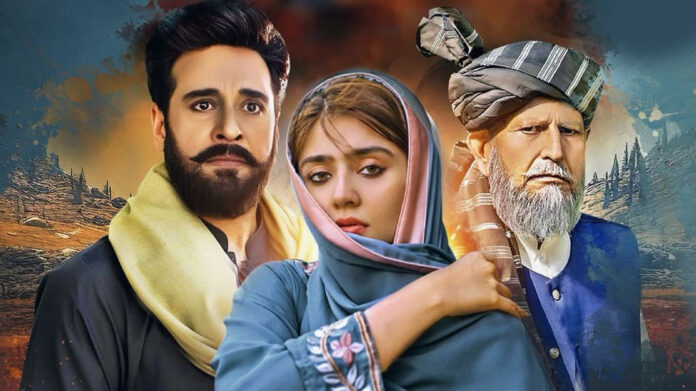
Drama serial ‘Khaie’ follows the story of Zamda (Durefishan Saleem) and Sardar Chinaar Khan (Faysal Quraishi), who kills off all male members of Zamda’s family and takes her as his forceful bride on her wedding day. During the shootout, Chinaar Khan’s men also injure Zamda’s fiance, Badal (Osama Tahir), who survives and later comes back to avenge Zamda, who has a plan of her own.

The Performances

Faysal Quraishi, a veteran in the Pakistani entertainment industry, has once again proven his mettle with an exemplary performance in ‘Khaie’. Qureshi, essaying a challenging role, effortlessly portrays the complexity of Chinaar’s Khan character with depth and authenticity. This man loves with a passion but holds animosity close to his heart. He is a hearty fellow but one who holds grudges and does not hesitate to shoot bullets for what he deems is right. Faysal’s ability to convey a wide range of emotions, from intense passion to vulnerability, adds a layer of realism to Sardar Chinaar Khan that resonates with viewers. On top of that, his accent is to die for..

The late veteran actor Khalid Butt, another powerhouse of talent, contributes significantly to the success of ‘Khaie’ with his character of Sardar Duraab Khan. Known for his versatility, the late actor seamlessly transitions into his character, leaving a lasting impact on the audience. His last outing as an actor, Khalid Butt has certainly left a mark on his audience with ‘Khaie’ for the last time. His nuanced portrayal and ability to delve into the psyche of his role make him a standout performer in the drama.

Durefishan Saleem, a rising star in the Pakistani entertainment scene, delivers a noteworthy performance that has garnered acclaim from critics and audiences alike. Saleem’s portrayal of Zamda in “Khaie” reflects her commitment to the craft, as she effortlessly embodies the nuances and complexities of her role, earning praise for her naturalistic approach. Zamda doesn’t talk much but Durefishan manages to express all that Zamda feels with her eyes.

The synergy between the director, writer, and the cast is evident in every episode of ‘Khaie,’ creating a seamless viewing experience for the audience. Syed Wajahat Hussain’s directorial finesse, coupled with Saqlain Abbas’s compelling narrative, provides a solid foundation for the actors to showcase their skills.

The chemistry between Faysal Quraishi and Durefishan Saleem on-screen is palpable, making ‘Khaie’ a must-watch for drama enthusiasts. Their performances not only elevate the drama to new heights but also contribute to the overall success and popularity of the show.

In conclusion, ‘Khaie’ on Geo Entertainment is not just a drama; it’s a canvas where the talents of powerhouse performers like Faysal Quraishi, Khalid Butt, and Durefishan Saleem alongside a stellar ensemble cast, come together to create a masterpiece. The engaging storyline, coupled with the stellar performances of the cast, makes ‘Khaie’ a standout drama in the Pakistani television landscape. As the drama continues to unfold, viewers can undoubtedly expect more riveting performances that will leave a lasting impression.