Home Blog Page 3

“It’s Not True” Mahira Khan Denies Pregnancy Rumours

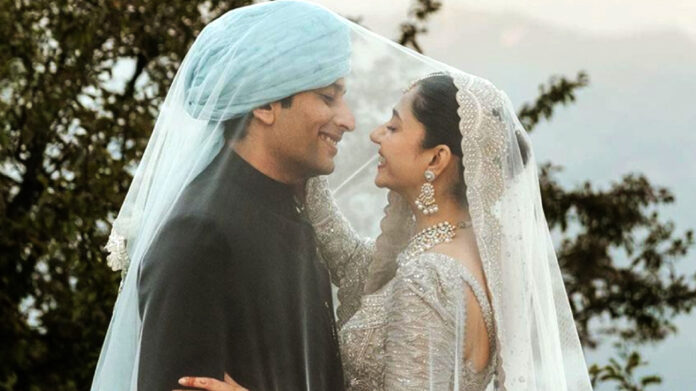
Recently, several Indian media outlets sparked rumours about superstar Mahira Khan’s pregnancy, citing a Reddit post as the source. Speculations circulated across platforms like Times of India, Pinkvilla, and News18, claiming that Mahira and her husband Salim Karim were expecting their second child.

According to News18, the Reddit post in question hinted at Mahira’s withdrawal from high-profile projects like Netflix’s ‘Jo Bachey Sang Samait Lo’ and an unnamed film, suggesting an imminent arrival in August or September. The post seemed to have inside information, alleging that Mahira’s departure from these projects signalled her pregnancy.

However, Mahira Khan has since set the record straight in an exclusive interview with The Express Tribune. “It’s not true that I’m pregnant. And I haven’t left the Netflix series,” she declared, putting an end to the swirling rumours.

Despite Mahira’s clarification, the rumour mill continued to churn. Pinkvilla even took to Instagram, congratulating the couple on their supposed impending parenthood, a move that now appears premature in light of Mahira’s candid denial.

With Mahira’s response, it seems the air has been cleared, and the curtain has drawn on the pregnancy speculations. This episode serves as a reminder of the importance of fact-checking in the media landscape, urging journalists and readers alike to verify sources before accepting news as gospel truth.

The origins of these rumours remain a mystery. Whether they sprouted from Mahira’s recent trip to Dubai or simply caught fire in the fertile ground of Reddit speculation, the truth remains elusive. Yet, with Mahira Khan’s candid denial, one thing is clear: sometimes, the most entertaining stories turn out to be nothing more than hot air.

5 Unconventional Love Stories On Our Screens To Remember This Valentine’s Day

Let’s embark on a nostalgic journey down memory lane to reminisce about some of Pakistan’s most unforgettable unconventional love stories.

Over the years, our television screens have been graced with remarkable dramas featuring entrancing narratives and intriguing romances.

Yet, among them, a few tales stand out for their daring departure from the norm, introducing us to unconventional couples who challenged societal standards and captivated our hearts.

These unique pairs brought a breath of fresh air to our screens, defying all odds and leaving an indelible mark on our memories.

So, let’s celebrate the magic of these extraordinary love stories that dared to be different and remind us that love knows no boundaries.

Ishq Zahe Naseeb

Farooq Rind’s directorial masterpiece, ‘Ishq Zahe Naseeb’, penned by renowned writer Hashim Nadeem, truly stood out for its unique love story between the two leads.

Featuring Zahid Ahmad as Sameer, who grapples with a split personality disorder and occasionally transforms into Sameera, the drama delves into the complexities of his condition. His heart finds solace in Gohar, portrayed by the talented Sonya Hussain, who takes on the role of a governess in his household.

Their love story unfolds with remarkable purity, as Zahid and Sonya mesmerize viewers with their captivating chemistry.

Gohar’s character is depicted as remarkably accepting of Sameer’s condition, showcasing a deep understanding of his mental health struggles as they embark on their marital journey together. Serving as Sameer’s anchor and unwavering support, Gohar encourages him to confront his inner demons, even accompanying him on a poignant visit to the old age home where his mother resides.

Both characters exhibit profound sacrifices for each other, demonstrating an unwavering commitment to their bond. Despite Sameer’s selfless attempts to free Gohar from their relationship, she steadfastly refuses to abandon him, leading to a heartwarming reunion in the drama’s final episode.

‘Ishq Zahe Naseeb’ is commendable for its portrayal of mental health issues and the resilience of the human spirit. While the portrayal of Sameer’s journey towards overcoming his challenges and the evolution of their relationship could have been more nuanced, the drama remains a compelling watch, underscoring the message that life goes on despite then adversities we face.

Mrs. & Mr. Shameem

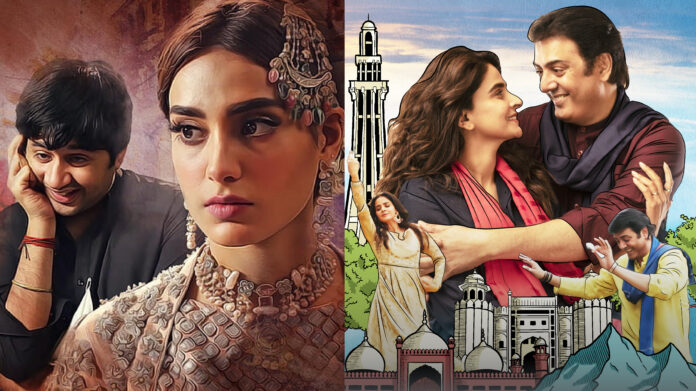
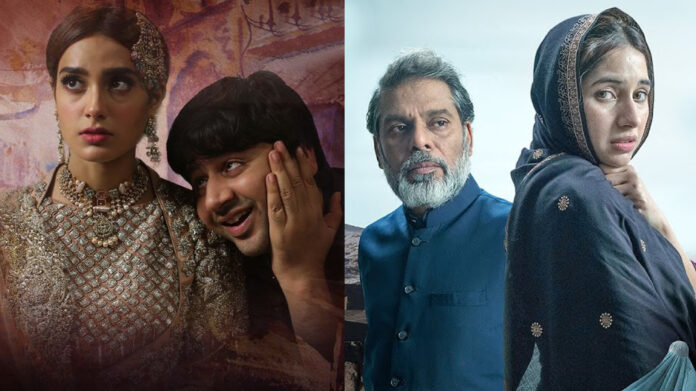
Mrs. & Mr. Shameem’ a 2022 Zindagi original Pakistani web series, has been written by Saji Gul and helmed by director Kashif Nisar. The series stars Naumaan Ijaz and Saba Qamar in prominent roles.

The narrative centers on Umaina, an independent woman residing in a Lahore hostel, and Shameem, the elder brother of Umaina’s friend. Shameem faces ridicule from society due to his effeminate nature.

However, circumstances compel them to live together and eventually marry each other. As they navigate their new life together, they discover a deep affection for one another and confront the challenges that come their way.

Breaking societal norms and defying entrenched biases, ‘Mrs. & Mr. Shameem’ offers a refreshing perspective on love and relationships. The series challenges traditional gender roles and showcases the beauty of a partnership built on mutual respect and understanding, regardless of societal expectations. By portraying a couple who defy conventional norms yet share a profound love, the series plants the idea that relationships can flourish in diverse forms, enriching our understanding of love and companionship.

Kabli Pulao

Kabli Pulao cemented its name as becoming one of the most popular dramas of 2023, and garnered praise for both critics and audiences alike. Directed by Kashif Nisar and penned by Zafar Mairaj, the series stood out for its unconventional love story between Afghan refugee Barbeena, portrayed by Sabeena Farooq, and the dedicated family man Haji Mushtaq, played by Ehteshamuddin.

What set ‘Kabli Pulao’ apart was its handling of the unique romance between two individuals from vastly different backgrounds. Despite the age gap and cultural disparities, the portrayal remained respectful and authentic, thanks to the stellar performances of the actors, the director’s vision, and the writer’s storytelling.

Viewers were able to empathize with the characters, who found solace and companionship in each other amidst their challenging circumstances.

The inclusion of an inter-cultural marriage added an intriguing dimension to the narrative, promoting the message of harmony and understanding between nations. ‘Kabli Pulao’ not only captivated audiences with its heartfelt love story but also left a lasting impression with its message of compassion and unity across borders.

Parsa

Parsa, a Pakistani drama serial created by Tahira Wasti and based on Bushra Rahman’s novel of the same name, delves into the complexities of inter-faith marriages. Directed by Siraj-ul-Haque, the series explores the cultural and societal issues surrounding the topic, presenting a nuanced portrayal of the challenges faced by individuals in such relationships.

Released in 2010, Parsa garnered attention for its sensitive handling of the inter-faith marriage theme in a country where religion holds significant importance. The narrative follows Parsa, a Muslim woman who falls in love with David, a Christian family friend. Despite David’s conversion to Islam, their differing religious backgrounds continue to strain their relationship.

The drama poignantly illustrates the couple’s struggles as they navigate societal pressures and personal conflicts arising from their religious differences. While Parsa ultimately seeks a divorce from David, their love remains evident, culminating in a touching moment of acceptance as David embraces Islam on his deathbed.

Despite the bittersweet conlusion for the couple, ‘Parsa’ leaves a deep impact on viewers with its powerful message aboutc love, faith, and the complexities of inter-faith relationships. By addressing a sensitive subject with grace and empathy, the series sparks meaningful conversations about tolerance and acceptance. 

Ranjha Ranjha Kardi

Penned by Faiza Iftikhar and directed by Kashif Nisar, ‘Ranjha Ranjha Kardi’ stormed onto the television screens, mesmerizing audiences with its undeniable charm and becoming a phenomenon in its own right. Imran Ashraf’s portrayal of Bhola propelled the character to iconic status, garnering a dedicated fan base.

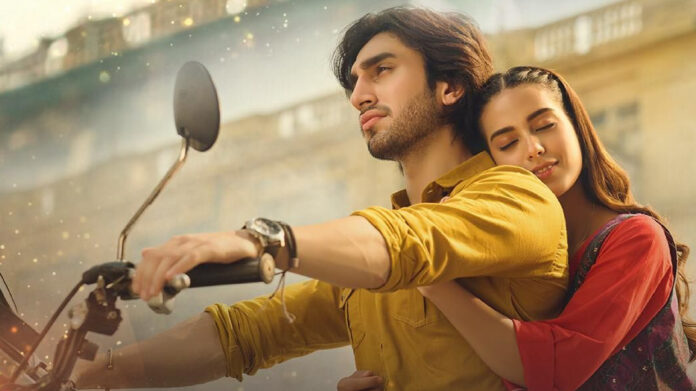
The series follows the journey of Noori, portrayed by Iqra Aziz,is forced into marriage against her will and finds herself wedded to Bhola, a mentally unstable individual chosen by her guardian. As the story unfolds, Noori grapples with her relationship with Bhola, questioning whether it can endure the trials they face.

‘Ranjha Ranjha Kardi’ beautifully illustrates how a relationship born out of coercion and resistance can evolve into something profound. Bhola, in his own unique way, becomes a source of solace for Noori, helping her navigate her inner turmoil. Meanwhile, Noori stands up for Bhola against her uncle, ultimately uncovering the truth behind his illness and playing a pivotal role in his recovery.

These dramas certainly can’t be categorized as a damsel in distress awaiting her prince charming to rescue her from all evils the world encapsulates. Instead, they offered us something unconventional and beyond the traditional storylines, hinting that love stories aren’t define in a box.

Atif Aslam Gave Up On Cricket Aspiration When ‘Parents Insisted It Had No Scope

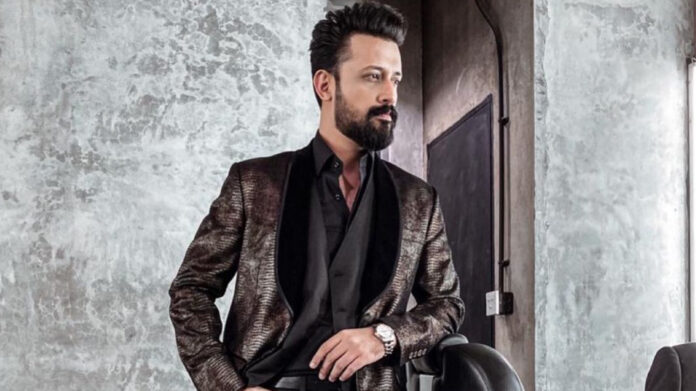
The legendary Atif Aslam opened up about his deep-rooted passion for cricket and the serendipitous journey that led him to music superstardom in an interview with RJ Sayema Rahman on Sufiscore.

Reflecting on his remarkable career, Atif humbly attributed his success to the unwavering prayers of his parents, acknowledging the pivotal role their blessings played in shaping his destiny. “You know that feeling you get that you can’t survive this situation but some power would intervene and it was my parents’ prayers,” he fondly reminisced.

Despite his early leanings towards music, Atif revealed a surprising twist in his aspirations. “I had already given up on one passion. I always wanted to be a fast bowler,” he confessed with a hint of nostalgia.

Atif shared how his parents gently steered him towards academics, emphasizing the importance of education over the uncertain prospects of a cricketing career. “I was very good at cricket. So I had given up on that because my parents insisted that education is more important, [cricket] doesn’t have a lot of scope and they were right in saying that. Cricket didn’t have much scope back then, today the case might be different.”

The transition from cricket to music wasn’t seamless for Atif. Armed with his brother’s three-string guitar, he embarked on a musical journey marked by trial and error. “I learned after a whole year that guitars have 6 strings and a standard tuning to follow,” he chuckled, reflecting on his humble beginnings in the world of melodies.

For Atif, music isn’t just a passion—it’s his lifeblood. “For me, my life, my breath, it’s all music,” he confessed, encapsulating the profound connection he shares with his craft.

On the work front, Atif Aslam, who once dominated the Bollywood scene until India banned Pakistani artists seven years ago., will be making his comeback. He is set to captivate audiences once again with a soulful romantic song featured in the upcoming ‘Love Story of the 90s’.

Short Film ‘Jamun Ka Darakht’ Selected For Cannes World Film Fest

Renowned Pakistani scriptwriter Bee Gul, director Rafay Rashdi and producer Syed Murad Ali have collaborated on the upcoming short film, ‘Jamun Ka Darakht’, which has garnered recognition at the esteemed Cannes World Film Festival.

Rashdi recently announced on social media that the film has been officially selected for the festival, sharing an official poster adorned with the festival’s laurel. Earlier, he unveiled the film’s intriguing trailer on Instagram, providing viewers with a glimpse into its narrative exploring the complexities of consent between individuals.

The trailer hints at a storyline delving into manipulative dynamics, touching on themes of harassment, assault, and desire, while Bee Gul’s impactful dialogues add depth to the narrative, setting the stage for an emotionally charged cinematic journey.

Featuring acclaimed actor Adnan Siddiqui alongside a talented ensemble cast including Maha Tahirani and Fouzia Aman, ‘Jamun Ka Darakht’ promises to push the boundaries of traditional storytelling. Co-produced by Rafay Rashdi Productions, Syed Murad Ali & Wah Wah Productions, and Faisal Kapadia, the film represents a powerful lineup of talent and creativity.

Director Rafay Rashdi, producer Faisal Kapadia and executive producer Syed Murad Ali previously spoke to Galaxy Lollywood regarding the film, revealing details about the film. Murad Ali had revealed their intention to take the short film to an international film festival. He said, “The focus is to showcase “Pakistani talent and thought-provoking themes.” 

Rafay Rashdi explained the story behind the title, saying “The title was written by Bee Gul. Jamun, the fruit, and its pulp can leave stains on clothes that are not easy to remove. Therefore, the profound metaphor addresses stains on oneself that can never be eradicated.”

The conversations surrounding consent, sexual harassment and court cases based on such issues are very timely. When asked if there are any real-life inspirations for this story, Rafay had this to say.

“Certainly, and not quite. Don’t we witness daily debates on gender issues concerning consent and choices? Has there been a definitive answer as to who is right or wrong? No. Therefore, we crafted a subject for which we have left the verdict to be decided by the audience.”

It’s truly exhilarating to witness our entertainment industry’s brilliance showcased on the international stage. We eagerly await the reception of our talent at the esteemed Cannes Film Festival, where they’ll be sharing the spotlight with artists from diverse backgrounds worldwide.

5 Dramas Of All-Time That We Wish Had Alternate Endings

How many times have we invested our hearts and souls into a drama, only to be left disappointed as the final curtain falls? It’s a more common occurrence than we might realize. Even the global phenomenon ‘Game of Thrones’ fell victim to this common tragedy witnessed ever so frequently in the entertainment universe.

Over the years, there have been numerous Pakistani dramas that captured our hearts but stumbled at the finish line with lacklustre endings. To address the collective outcry of the audience, we’ve compiled a list of five such dramas and imagined our desired endings for each.

Dastaan

The heart-wrenching series, ‘Dastaan’ has solidified itself as a timeless classic. Directed by Haissam Hussain and penned by Samira Fazal, it is a period drama adapted from a novel by Raiza Butt. Set in the pre-partition era, the drama captivates viewers by delving into the events surrounding partition and the harrowing violence that ensued.

Through the lens of Bano, portrayed remarkably by Sanam Baloch, we are exposed to the profound trauma experienced by those caught in the midst of partition. We witness the devastation as Bano loses her family, and the love of her life, and endures abuse and torture, all while maintaining an unwavering love for her new country, Pakistan. However, her idealized vision of Pakistan shatters upon her arrival, confronting her with a stark reality far from her expectations.

Haissam Hussain masterfully crafts the narrative, immersing viewers in Bano’s pain with every scene. Even over a decade since its release in 2010, our hearts still ache witnessing Bano’s tragic journey, especially as her love story with Hassan (portrayed by Fawad Khan) remains unfulfilled, culminating in her confinement to a mental asylum.

While the drama subtly imparts the message of recognizing the sacrifices of ancestors for Pakistan’s creation, the impact diminishes as the series progresses. Many hoped for Bano to find her happy ending. Perhaps, a resolution where Bano and Hassan reunite, allowing Bano to rediscover herself in the new Pakistan and eventually overcome her trauma with Hassan’s support, would have provided some relief. Even if depicted with realism, the drama could have portrayed Bano never reconnecting with her old true self, but in the end, both Bano and the audience had a ray of hope.

Kaise Teri Khudgarzi

‘Kaisi Teri Khudgarzi’ made waves upon its release, drawing in high ratings and millions of views per episode. The Danish Taimoor and Dur-e-Fishan duo stole the spotlight with their compelling performances, complemented by the lavish production and undeniable chemistry between the leads.

Penned by Radain Shah and helmed by Ahmed Bhatti, the drama delves into the life of Mehak Shamsher (portrayed by Dur-e-Fishan), a girl from a middle-class family whose world is turned upside down when she captures the attention of the influential Shamsher Dilawar (Danish Taimoor), who falls for her at first sight.

The crux of the storyline revolves around Shahmeer, portrayed as the epitome of toxic masculinity. While depicting such characters isn’t inherently problematic, the issue lies in the execution. The drama fails to adequately address the repercussions of toxic behaviour, inadvertently normalizing it.

The climax sees Mehak completely enamoured by Shahmeer, even following his death. The concluding scene shows them having a child together. However, this resolution falls short as it perpetuates the dangerous notion that forceful and non-consensual acts are acceptable and can win over affection.

Many viewers hoped for a different conclusion, one where Mehak chooses to break free from Shahmeer’s toxic influence, despite her lingering feelings for him. Such a narrative arc could have portrayed Mehak’s growth and realization that their relationship was founded on unhealthy dynamics. If it’s not too much to ask from our dramas, we would have appreciated Mehak seeking therapy for her trauma, which could have provided a more empowering resolution.

Pyarey Afzal

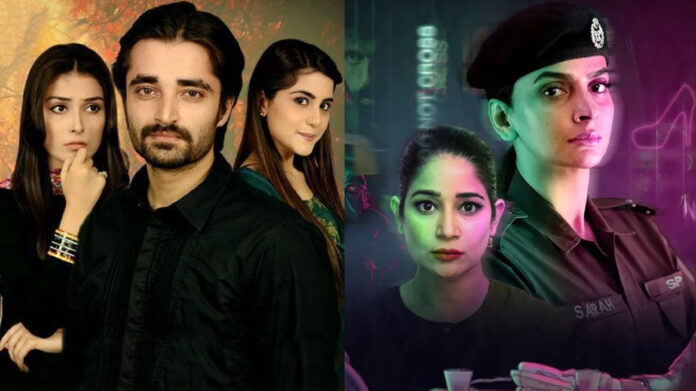
After a decade since the release of ‘Pyarey Afzal’ fans are still mesmerized by the timeless chemistry between the lead stars Hamza Ali Abbasi and Ayeza Khan, who are currently seen together in the drama ‘Jaan-e-Jahan’. However, the lingering nostalgia for the unrequited love story of the central characters Afzal and Farah, portrayed by Hamza Ali Abbasi and Ayeza Khan, stays with the audience.

Penned by Khalil-ur-Rehman Qamar and masterfully directed by Nadeem Baig, “Pyarey Afzal” narrates the poignant tale of two individuals whose love transcends societal norms and class barriers. As the drama approaches its climax, Khalil-ur-Rehman once again delivers a heart-wrenching ending, with Afzal tragically shot while on the phone with Farah, who confesses her love.

However, amidst the bittersweet conclusion, fans yearn for an alternate universe where Farah and Afzal unite against all odds, offering viewers a glimmer of hope and a blissful conclusion to their tumultuous journey. In this imagined scenario, the drama would culminate with scenes of Farah and Afzal revelling in their newfound happiness, symbolizing the triumph of love over adversity.

Ishq Zahe Naseeb

Crafted by Hashim Nadeem and brought to life under the direction of Farooq Rind, ‘Ishq Zahe Naseeb’ emerged as a truly distinctive addition to our drama landscape. With its bold exploration of personality disorder and mental health, intertwined with elements of thriller and suspense, the drama captivated audiences with its unconventional narrative approach.

Zahid Ahmed delivered a stellar performance in his portrayal of Sameer, a character grappling with dissociative identity disorder, with Sameera representing his female alter ego. Amidst the complexities of his condition, Sameer finds solace and love in Gauhar Rasheed, portrayed by Sonya Hussain, who steadfastly stands by his side through thick and thin.

While the drama held us spellbound with its intricate plot, the final episode fell short of expectations in terms of providing a satisfying conclusion. Despite prolonging the storyline in an attempt to capitalize on ratings, the drama ultimately wrapped up with a seemingly rushed and overly simplistic resolution, focusing solely on Gauhar and Sameer’s happily-ever-after as Sameer miraculously recovers.

Regrettably, this rushed conclusion left many narrative threads unresolved, leaving viewers with lingering questions and unexplored mysteries. Given the drama’s aim to shed light on mental health issues, it was essential to depict Sameer’s recovery journey in a more nuanced and comprehensive manner, delving deeper into the complexities of his condition and offering a more holistic portrayal of his healing process.

Serial Killer

The recent drama ‘Serial Killer’ penned by Umera Ahmed and directed by Fahad Noor, concluded its suspenseful journey with mixed reactions from viewers. Starring Saba Qamar as Sarah Sikander, the plot revolves around a gripping mystery surrounding a corpse found in a suitcase, thrusting Sarah into the depths of investigation and personal revelation upon her return from America.

However, as the curtains fell on the series and the killer was unveiled, the final episode failed to maintain the suspense and excitement that characterized the rest of the drama. The revelation of Barbara as the culprit felt predictable and lacked the shocking twist that viewers anticipated from a crime thriller. The absence of action and a slow-paced narrative left the audience longing for a more captivating conclusion.

A more satisfying ending could have involved a twist where someone unexpected, other than Barbara, was revealed as the killer. Alternatively, if Barbara remained the culprit, the narrative could have taken a more intriguing turn by introducing a subplot involving Zarish’s reappearance, suggesting a deeper conspiracy involving her and Batool in orchestrating the murders. Such developments would have added layers to the storyline and elevated the drama’s appeal as a crime thriller.

Here Is All You Need To Know About Bilal Abbas and Sarah Khan Starrer ‘Abdullahpur Ka Devdas’

Zee Zindagi isn’t coming slow as it tantalizes us with its original series, ‘Abdullahpur Ka Devdas’ marking a cross-cultural collaboration between Pakistan and India. With Pakistan’s A-list stars, Bilal Abbas Khan and Sarah Khan, taking centre stage in this thirteen-episode web series, it’s no wonder the show has captured attention on both sides of the border.

At first glance, ‘Abdullahpur Ka Devdas’ appears to be a romantic love story that explores the intertwining of friendship, and subtle political undertones, all within a magical setting of Abdullahpur.

The excitement is reaching fever pitch as audiences eagerly anticipate seeing Bilal Abbas and Sarah Khan in new roles. Both actors are currently involved in other projects, with Bilal Abbas captivating audiences in the highly popular drama ‘Ishq Murshid’ and Sarah Khan winning hearts in ‘Namak Haram’.

Behind the scenes, the series is helmed by director Anjum Shahzad, a renowned figure with an impressive portfolio that includes notable projects such as ‘Khaani’ and ‘Pehli Si Muhabbat’. The script comes from the talented Shahid Dogar, known for his work on the web series ‘Baarwan Khiladi’ and the currently airing drama ‘Akhara’.

Teasers

The teasers for ‘Abdullahpur Ka Devdas’ offer a glimpse into the vibrant city of Lahore, where the story unfolds. It revolves around the friendship between two characters, Fakhar and Kashif, portrayed by Bilal Abbas Khan and Raza Talish, respectively. However, their bond is tested when Gulbano, played by Sarah Khan, enters their lives and both friends develop feelings for her. As the story progresses, Kashif reveals himself as the true Devdas and Gulbano starts to develop feelings for him, unaware that Fakhar is the one who truly embodies the essence of Devdas.

We are also promised glimpses into the emotional rollercoaster that awaits us. Beyond the central drama of Bilal Abbas and Sarah’s characters, the narrative promises to delve into themes of heartbreak, betrayal, and the challenging choice between friendship and love, weaving these elements together into a compelling tale.

The Characters

Even in fleeting moments and glimpses, the multifaceted nature and complex personalities of the characters shine through. From the initial impressions and the OST, which features many scenes from the drama, Fakhar’s character, portrayed by Bilal Abbas, emerges as a poetic soul grappling with tough decisions. As hinted, his journey may lead him into the realm of politics, suggesting a transformation fueled by heartbreak and ambition.

Sarah Khan’s portrayal of the mesmerizing Gulbano is captivating. Her character exudes beauty and intrigue, yet her involvement with two friends who love her leaves unanswered questions. Will she be the catalyst for conflict, or merely a victim of circumstance? Scenes from the OST hint at Gulbano’s marriage to another man, leaving Fakhar devastated as he stands outside the venue.

While Sarah’s charm is undeniable, her character’s visual portrayal seems consistent with all her other roles, offering little variation in styling throughout the drama. We could have only hoped to see Sarah experimenting with her looks as she essays a new role.

Raza Talish takes on the role of Kashif, Fakhar’s loyal friend, who appears to play a pivotal role in the story. His character is depicted as someone who adopts his friend’s poetry to charm women, inadvertently finding himself drawn to the same woman Fakhar desires. His intentions remain shrouded in mystery, adding intrigue to his character’s arc.

Cast

The drama has a star-studded cast, which includes Bilal Abbas Khan, Sarah Khan, Raza Talish, Anoushay Abbasi, Adnan Shah Tipu, Nauman Ijaz, Saverah Nadeem, Shahzad Nawaz, Ali Ansari, Irfan Motiwala, Anjum Shahzad, Anumta Qureshi, Arjumand Rahim, Kashif Hussain, Saad Qureshi, Noorul Hassan Muhammad, Fazal Hussain, Zuhab Khan, Nabil Rizvi, Irfan Kazmi, Bilal, and Misha Saqib.

OST

Adding to the excitement, Zee Zindagi released the web series OST ‘Biba’, which was well-received by the audience. Kudos to the makers who gauged the pivotal role of original soundtracks in Pakistani dramas and incorporated that into the lineup.

Fan’s Reaction

The drama is garnering praise from both sides of the border, as the audience anticipates an exciting watch.

About Zee Zindagi streaming platform

Zee Zindagi, a subsidiary of Zee Entertainment Express, has been quite popular for introducing Pakistani content in India with shows like ‘Aunn Zara’, ‘Zindagi Gulzar Hai’, and ‘Humsafar’. It has introduced a variety of Pakistani dramas to Indian audiences from 2014 to 2016. 

Abdullahpur Ka Devdas’ is part of Zee Zindagi’s original five offerings which it announced back in 2020. Starring Pakistan’s top actors as well as directors, people across both sides of the border were elated to hear this. The list of 5 series included ‘Mrs. and Mr Shameem’, ‘Dhoop Ki Deewar’, ‘Aik Jhoti Love Story’, and ‘Churails’, all of which have been released on the platform, with the last series of the instalment finally releasing now.

Will Pakistanis be able to watch the series?

That being said, this brings us to the burning question will Pakistani audiences get to see their favourite actors in a project together? With the non-availability of Zee5 subscriptions or the channel, Zee Zinadi in Pakistan, the masses missed out on watching the previous offerings. We hope as the release date of the project fast approaches, the production works on logistics to make the series available to Pakistanis as well.

It is always good to see cross-cultural collaboration across borders end up producing such good projects that are enjoyed by everyone and only result in a better and more creative outlet of art. All the other projects that were previously offered were well-received by the audience as they explored daring issues and had a unique treatment of dramas. ‘Abdullahpur Ka Devdas’ looks equally promising, and we hope to see the drama soon.

The drama will be released on 26th February.

Top 5 Kashif Nisar Dramas To Watch If You Haven’t Already

The maestro director Kashif Nisar stands tall as one of the most celebrated directors in our country. His secret recipe? In our opinion, it’s his ability to create a magical world that captivates and holds audiences bewitched, eagerly anticipating what will unwrap next.

Over the years, Kashif Nisar has treated our audience to some brilliant dramas. As the captain of the ship, he shoulders the responsibility of bringing something magical to our screens every time, weaving captivating narratives around scripts, dialogues, and characters.

Several projects by Kashif Nisar have garnered recognition and love from audiences. He consistently manages to deliver something unique, crafting dramas that connect with thinking viewers and often convey underlying messages.

Scroll down to discover the top 5 Kashif Nisar dramas over the years.

Dil Na Umeed Toh Nahi

Produced in collaboration with Kashf Foundation and aired on TV One, ‘Dil Na Umeed Toh Nahi’ emerged as a critical drama delving into key social issues often swept under the carpet. Penned by Amna Mufti, the narrative spotlighted child labour, human trafficking, and prostitution.

Directed in a unique manner, the drama skillfully teleported the audience to different timelines: one in the present, one in 2012, and one in 2008. The present storyline centered on a modern/elite brothel and its inhabitants; the 2012 timeline depicted a patriarchal society where young girls faced restrictions, while the 2008 timeline portrayed an underprivileged family struggling to make ends meet.

Kashif Nisar’s brilliance shines through in this drama, handling such a sensitive plot with finesse. The scenes depicting prostitution and the turmoil of the central characters were executed exceptionally well. Despite the limitations imposed on Pakistani dramas regarding explicit content, Kashif Nisar adeptly conveyed the message metaphorically, using symbols to communicate effectively.

At the heart of the project was Yumna Zaidi’s portrayal of Sumbul, impeccably showcasing the plight of women. The supporting cast, including Wahaj Ali, Nadia Afgan, Omair Rana, Kashif Mehmood, Samiya Mumtaz, and Noor-ul-Hassan, made significant contributions, leaving a lasting impact in their respective roles.

Raqeeb Se

What sets Kashif Nisar’s projects apart is their capacity to allow exploration, encouraging viewers to form their own interpretations and extract messages that resonate with them. HUM TV’s ‘Raqeeb Se’ exemplifies this approach.

The narrative centers on Sakina (portrayed by Hadiqa Kiani) and her daughter Ameera (played by Iqra Aziz), who seek refuge with Sakina’s ex-lover Maqsood (Noman Ijaz) to escape her abusive husband. As the story unfolds, it becomes apparent that Sakina fled her husband due to domestic violence, determined to shield Ameera from the same fate.

Remarkably, Maqsood’s current wife Hajra (Sania Saeed) and daughter (Faryal Mehmood) are aware of Sakina and Maqsood’s past love story. The plot thickens when Hajra generously welcomes Sakina into their home, fostering a comfortable environment for her stay. As Sakina finds herself drawn back to her former lover, the narrative delves into the complexities of these characters’ relationships.

Collaborating with writer Bee Gul, Kashif Nisar offers audiences a mirror to reflect on themselves through the characters’ imperfections and moral ambiguities. The duo skillfully explores themes of patriarchy in unconventional ways, inviting viewers to contemplate the shades of grey within themselves as the story unfolds.

Ranjha Ranjha Kardi

Penned by Faiza Iftikhar, and aired on HUM TV ‘Ranjha Ranjha Kardi’ stormed onto the television screens, captivating audiences with its undeniable charm and becoming a phenomenon in its own right. The character of Bhola, portrayed by Imran Ashraf, became iconic, curating a fan base of its own.

The narrative revolves around Noori (Iqra Aziz), the daughter of a street sweeper, who falls in love with Sahir (Syed Jibran), a local shop owner. Despite her humble beginnings, Noori is determined and hardworking, envisioning a better future for herself and Sahir. However, Sahir shatters her dreams when he flees the country after landing himself in jail. Left heartbroken, Noori finds herself married to Bhola, a mentally unstable individual chosen by her guardian. The story unfolds as Noori navigates her relationship with Bhola and explores whether it can withstand the challenges thrown their way.

Kashif Nisar masterfully painted the drama on a beautiful canvas, infusing it with a myriad of emotions and shades. Each character was depicted with depth, showcasing their complex personalities and emotions. The narrative delved into dark moments that felt unforgivable, yet audiences found themselves fully immersed and invested in the characters’ journeys.

O Rangreza

Another of Kashif Nisar’s projects that teleported us to a world created by Kashif Nisar was ‘O Rangreza’. At its core was Sajal Aly, portraying Sassi in a completely transformative role, embodying an outspoken girl unafraid to voice her thoughts. The narrative unfolds as Sassi transitions from a carefree individual who idolizes her father to face the harsh realities of life, questioning her perceptions and encountering challenges along the way.

HUM TV’s drama, ‘O Rangreza’, penned by Saji Gul, was impeccably crafted and directed, resonating deeply with audiences. The characters felt remarkably authentic, almost as if they were speaking directly to us from the screen, making the drama incredibly relatable. Kashif Nisar skillfully balanced humour, seamlessly integrating it into the narrative while also delving into the profound pain experienced by the characters. It poignantly depicted the struggles of women, particularly those confined to domestic roles, whose stories often remain untold and emotions unheard.

Adding to the charm of the drama was the captivating chemistry between Bilal Abbas and Sajal Aly, igniting the screen with their undeniable spark.

Kabli Pulao

Among Green Entertainment’s initial offerings, ‘Kabli Pulao’ captured the audience’s attention with its subtle storytelling, nuanced writing, and adept direction. Starring veteran actor and director Ehteshamuddin alongside the young and immensely talented Sabeena Farooq, the project was penned by Zafar Mairaj. It depicted the story of an intercultural marriage between two individuals who selflessly surrendered themselves.

The narrative revolves around a simple Afghan refugee named Barbeena, portrayed by Sabeena Farooq, who ends up marrying a 51-year-old Haji Mushtaq, played by Ehteshamuddin, a dedicated and sacrificing family man. Haji Mushtaq, depicted as a pious man, served his family throughout his life, acting as a father figure to his siblings and their children, yet never settling down himself. The story unfolds as Barbeena and Haji Mushtaq attempt to adjust to their circumstances.

The direction of the show is commendable, capturing everything subtly, which became the show’s defining element. It eschews over-the-top scenes, and Kashif Nisar demonstrated through this drama that, despite the current trend of quick storytelling, the show’s deliberate pace in unfolding events was embraced and in fact thoroughly enjoyed by the audience.

We eagerly anticipate Kashif Nisar’s future projects, hoping for more groundbreaking content that elevates the standard of television dramas. Which of his dramas will you tune in first, as we await to see what the maestro has in store for us in the near future?

Cinematic Delights: ‘Burns Road Ke Romeo Juliet’’s Journey Begins

Enter the world of ARY Digital’s Burns Road Ke Romeo Juliet – written by Parisa Siddiqui and directed by Fajr Raza, where the name itself hints at a cinematic vibe. This fictional tale unfolds with a lighter touch, offering sentimentality and situational humour at first glance. But brace yourself, for beneath the surface lies a whirlwind of family drama. This love story not only tugs at the heartstrings but also sheds light on pressing social issues.

Captivating Karachi: The Visual Appeal of the Drama

While it’s true that we can’t judge an entire book solely by its first chapter, the debut episode sets the stage to captivate its audience from the outset. One standout aspect that immediately grabs attention is the remarkable set design, coupled with impeccable lighting and creative cinematography. The shots of the road and doorways transport viewers to the heart of Karachi, yet somehow evoke a reminiscent charm of Lahore. Shot against the backdrop of the historic Old City Area of Karachi, the tale mesmerizes with its breathtaking visuals.

After acknowledging the contributions of Fajr Raza and the team, let’s delve straight into the storyline.

Joint Family Dynamics and Love Across Classes

Iqra Aziz and Hamza Sohail steal the spotlight as Farhad and Fareeya. The storyline paints a vivid picture of love blooming between two bachelors, shedding light on the disparities between middle and upper-class lifestyles. What’s intriguing is how both Romeo and Juliet belong to joint family setups, each with their own unique support systems – Farhad with his doting Amma and Fareeya with her supportive father. The storyline brought back memories of Geo Entertainment’s Mannat Muraad with Iqra Aziz and Talha Chahour leading the pack. Just like its predecessors, this series dives into the realm of class differences, echoing the theme of Ehram e Junoon. While it’s not obligatory to showcase these disparities, viewers can’t help but relish the situations they bring. We couldn’t resist smiling at the adorable accident scene that happened in the first episode, which led to the first encounter between our love birds.

Iqra Aziz and Hamza Sohail’s Debut Delight

Iqra Aziz and Hamza Sohail’s chemistry really spiced things up in this tale, especially since it’s their first time on screen together. That hospital scene where Fareeya visited Farhad and prayed for his recovery? Heartwarming stuff. And Hamza’s character? Adorable, making sure his cousin didn’t drag the cops into the accident. Fareeya’s advice to her cousin, urging her not to cave in to the unreasonable demands of her in-laws, was spot on and much appreciated. But let’s get real – some scenes felt a bit too much, like when the heroine was riding a bike, handling situations like a ninja, and being as sensitive as Cinderella while looking pretty as Jasmine. We’d prefer to see more mature heroines who lead like pros without any apologies. Still, Farhad and Fareeya’s chemistry clicks nicely, thanks to their conventional charm.

And the icing on the cake? Soch the band’s OST ‘Tera Deewana‘ was an absolute gem. It’s such a joy to see our beloved Razia, aka Shaheera Ijlal, back on screen. Now, with our lovebirds are in love, the anticipation is palpable. Let’s see where their journey takes them next.

Nostalgia Trip – Revisiting Classic Pakistani TV Shows

Pakistani television has a rich history of producing timeless dramas that have left an indelible mark on the hearts and minds of viewers. Among the plethora of remarkable shows, a few classics stand out as true gems, even today, exemplifying the golden era of Pakistani television. A few, one of the very bests included ‘Alpha Bravo Charlie’, ‘Dhoop Kinaray,’ ‘Dastaan,’ ‘Tanhayian,’ and ‘Dhuwaan’, in no particular order. Let’s dig deep and explore the very many reasons behind the enduring popularity and the impact these dramas have had on the audience, not only in the past but even today as well.

Alpha Bravo Charlie

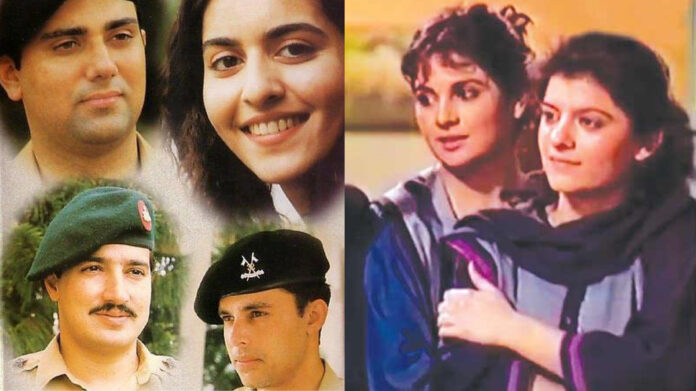
Released in 1998, ‘Alpha Bravo Charlie’ was a military drama that followed the lives of three friends – Faraz, Kashif, and Gulsher – as they navigated the challenges and camaraderie of the Pakistan Army. Written and directed by Shoaib Mansoor, the series not only provided a glimpse into the lives of soldiers but also showcased the complexities of friendship, love, and duty, making the audience see the real lives and face of our soldiers who are otherwise fortresses of strength. The authenticity of military life portrayed in the drama, combined with the stellar performances of the cast, made ‘Alpha Bravo Charlie’ a classic that continues to be revered by audiences.

Dhoop Kinaray

Airing in the 1980s, ‘Dhoop Kinaray’ was a medical drama that revolved around the lives of doctors and nurses working in a hospital. Written by Haseena Moin and directed by Sahira Kazmi, the show was celebrated for its realistic portrayal of the medical profession and the emotional challenges faced by healthcare professionals. ‘Grey’s Anatomy’ came way later, it was ‘Dhoop Kinaray’ for us, first. Starring Marina Khan and Rahat Kazmi in lead roles, ‘Dhoop Kinaray’ remains a timeless classic, remembered for its engaging storytelling and memorable characters.

Dastaan

‘Dastaan,’ based on Razia Butt’s novel “Bano,” was a period drama set against the backdrop of the partition of British India in 1947. Airing in 2010, the series explored the harrowing experiences of individuals and families affected by the partition. With a stellar cast including Fawad Khan and Sanam Baloch, ‘Dastaan‘ received widespread acclaim for its powerful narrative, emotional depth, and historical accuracy. The drama succeeded in bringing the tragic tales of the partition to a new generation, fostering a deeper understanding of the country’s history. Before Fawad Khan became Asher, he was our beloved Hassan for Sanam Baloch’s Bano in ‘ Dastaan’.

Tanhayian

Airing in 1985, ‘Tanhayian’ is a family drama written by Haseena Moin and directed by Shehzad Khalil. The series revolves around the lives of sisters, played by Marina Khan, Shehnaz Sheikh, and Asif Raza Mir. ‘Tanhayian’ is celebrated for its strong character development, realistic portrayal of familial relationships, and its exploration of love, loss, and resilience. The memorable performances and soul-stirring soundtrack have contributed to its enduring popularity.

Dhuwaan

‘Dhuwaan,’ aired in 1994, was a gripping thriller that revolved around the pursuit of justice. Written by Ashfaq Ahmed and directed by Sajjad Ahmed, the series follows the story of a man seeking to avenge the murder of his family. With powerful performances by Nauman Ijaz, Nadia Jamil, and others, ‘Dhuwaan’ captivated audiences with its intense storyline, moral dilemmas, and suspenseful plot twists.

The Final Word

Pakistani classic dramas, including but not limited to, ‘Alpha Bravo Charlie’, ‘Dhoop Kinaray,’ ‘Dastaan,’ ‘Tanhayian,’ and ‘Dhuwaan’ have not only stood the test of time but have also become an integral part of the country’s cultural heritage. Their compelling narratives, memorable characters, and exceptional performances continue to resonate with viewers, making them an essential part of Pakistan’s television legacy. As we look back at these timeless masterpieces, we appreciate the artistry and storytelling prowess that have shaped the landscape of Pakistani television.

Relief Or Exhilarated? ‘Mein’s’ Conclusion Leaves The Audience Divided

ARY Digital’s ‘Mein’ has its own share of ups and downs. Whether you hate it or like it, you must have heard of it. The loyal fan base, which had its love-and-hate relationship with the drama, would tune in every week, just to render their frustration via social media. The drama did smoothen around its edges in the middle, but alas the makers could not continue with the momentum.

Now-finally-if we dare say so, ‘Mein’ has wrapped up, after crossing the thirty-episode mark. The thing with a prime-time Pakistani drama going beyond this is a risky business in itself. Let me explain why. This could either mean that your story has substance and there is still some substantial plot to uncover and thus the drama needs a few more episodes. But this is a rare instance. On the other hand, the second scenario, which most of our popular dramas fall victim to, is that the drama is stretched way beyond the number of episodes it was intended to air for, resulting in testing viewers’ patience and loyalty.

Big Bang Entertainment’s production ‘Mein’ was part of the latter category. The audience did not leave the drama in between, going back every time to watch the shenanigans of Mubashira Jaffer and Mr Asif, while clinging to the hope that their favourite Wahaj Ali will this time have something substantial to contribute to the plot. Unfortunately, ‘Mein’ was like a toxic ex, you go back to it, but we all know how that goes.

Mein’s not-so-predictable ending

By now all social media users know how ‘Mein’ concluded. Let us be honest with ourselves, did we expect this ending, or most importantly did we deserve it?

In a prediction we made earlier about the drama’s conclusion, we did anticipate Zaid (Wahaj Ali) ending up alone, but who knew among other alternates, this would translate to ‘Mein’s reality. To be honest, it seemed far-fetched to expect a happy ending for Ayra (Azekah Daniel) and Zaid, considering how dirty they did Ayra. Kudos to the girl for standing up for herself and leaving when it was high time.

As for our very own Mubashira Jaffar a.k.a MJ’s (Ayeza Khan) track, we were a bit lost there. I, for one, wouldn’t object to the writer going beyond what we see on television and giving a different ending. However, as we saw the plot unfolding in the previous episodes, with Mubashira giving up on her ego to save her relationship, and the growing infatuation between Zaid and Mubashira, it didn’t seem right to show them part ways in the last episode.

As for Kashmala’s (Sabeena Syed) track, we are grateful to the makers, in every sense of the word, for showing her standing up for herself and getting out of a toxic marriage and calling out to her father for his actions. These are the characters we need to see more of.

What stood out, surely, was that the drama ended in full circle. They underlined the message of how one’s ego is a means of self-destruction. While our heart ached for Mr. Asif, played by Shahzad Nawaz, being left all alone and isolated, it was a well-knitted closure for him.

Performances

Ayeza Khan as Mubashira Jaffar ate and left no crumbs. The actress portrayed her character’s contradictory emotions with so much elegance and conviction that we could not help but be fully invested with her character Mubashira. It wouldn’t be wrong to say that Ayeza stole the limelight as she carved another memorable character’s name in her long list of projects, as a successful actress.

Mubashira’s wardrobe in itself had the main character vibes in the drama. The effort Ayeza Khan put in to curate the entire look of the character was well-received and added to her performance.

Shahzad Nawaz, as Zaid’s father left no stone unturned as he essayed his role to perfection. He brought with him a charisma and aura that remained unmatched.

As for Wahaj Ali, who portrayed the role of Zaid in the drama, he had a rather subdued presence. Following the success of ‘Tere Bin’, fans’ expectations have soared for the nation’s heartthrob. While he didn’t leave any gaps in his performance, the writing didn’t allow him much room to shine.

There were a few lapses here and there with the performances of Azekah Daniel, who played the role of Ayra, another central character in the drama.

The drama has a strong supporting cast which includes Usman Peerzada, Shehzad Nawaz, Aijaz Aslam, Agha Mustafa, Nameer Khan, Sabeena Syed, Alizay Rasool, Rohi Ghazali, and Shiza Khan.

Remarkable Execution

The drama was an exciting watch, exuding suspense, thrill, and a lot of drama. While we’ve seen numerous projects in recent years revolving around the lives of the affluent, the seamless direction of this drama made it particularly compelling, setting it apart from the rest. The portrayal of luxury added a splendid touch to the drama, making it even more worthwhile to watch.

The Concept

‘Mein’ directed by Badar Mehmood and penned by Zanjabeel Asim Shah, forms a dynamic duo with a track record of delivering hits like the television series “Balaa.” The drama’s premise, revolving around an ego battle, initially intrigued viewers, especially with its exploration of the central character, Mubashira, who exhibited various shades as the plot unfolded. However, despite its promising foundation, the execution faltered in certain areas, leading to a loss of audience interest and a lack of structural coherence, resulting in a disappointing viewing experience.

Nonetheless, ‘Mein’ managed to become a guilty pleasure for many of its viewers. While some expressed dissatisfaction with the conclusion and were relieved that the drama finally concluded due to its prolonged and nonsensical plot, it became a habitual indulgence for others. Despite its flaws, audiences appreciated the drama for the trivial discussions it sparked and the guilty pleasure it provided.