Home Blog Page 20

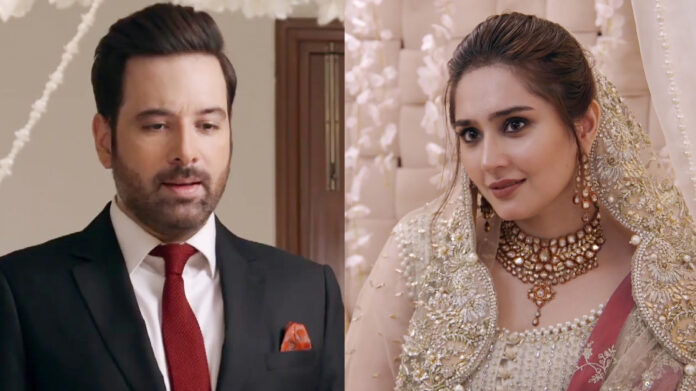
Kabli Pulao Applauded for Redefining Traditional Marriages on The Television Screen

Kabli Pulao marriage

Kabli Pulao reinvents the meaning of consent and reflects its significance in the most nuanced manner, possibly giving us a scene that will be hailed as one of the most iconic moments in Pakistani television history.

Once again, Kabli Pulao stands as a boundary-breaking masterpiece, that has left its audience in awe. This exceptional production serves as a heartfelt tribute to unconventional marriages in society. Kabli Pulao reiterates the importance of tradition and the sanctity of marriage. Through the beloved characters, Haji Sahib and Barbeena, we see a love story unravel, that has left us all in awe.

Under the skillful direction of Kashif Nisar and the imaginative storytelling of Zafar Mairaj, Kabli Pulao has reinvented the concept of love in marriages with significant age differences. This creative collaboration has gifted audiences with a narrative that exudes purity and affection, presenting a unique portrayal of a marriage that has been missing from our screens.

Redefining the power of consent in Kabli Pulao

The recent episodes of the drama have sparked discussions among both critics and audiences alike owing to the elegant and profound unfolding of the relationship between Haji Mushtaq and Barbeena that has indeed left an indelible mark.

In the ninth episode of Kabli Pulao, we see the story gracefully unravels as this resilient couple grapples with adversity, after leaving their home to protect Chamoos’ marriage. Amidst the turmoil, a momentous shift occurs as we witness, for the very first time, the couple’s intimate interaction—an aspect previously eclipsed by the chaos within Haji’s household.

What truly captivated us was the understated manner in which they broached the topic of consent. They artfully refrained from overemphasizing the point yet managed to convey its significance with finesse. It was heartwarming to observe how Haji Mushtaq was patient and never showed dominance, giving Barbeena the time she needed before she took the first step.

Haji Sahib and Barbeena endearing moments

All of Haji Sahib and Barbeena interactions are a pure bliss to watch. The chemistry these two characters have created on-screen is endearing to say the least. Kudos to the lead stars, Mohammed Ehteshamuddin and Sabeena Farooq, both of whom have passionately and sincerely played their respective characters.

Firstly, Barbeena’s expression of respect for Haji sahib knows no bounds. The audience was left amazed when she shared the reasons of marrying him which made us realize how their relationship is based on trust and respect and how both of them have never left each other, always standing in the face of adversity-whether it was Haji Sahib taking a stand for Barbeena in front of his family or Barbeena protecting Haji’s honor in whatever way she possibly could.

We also loved the scene where Haji made breakfast for Barbeena and unexpectedly-for both the audience and Barbeena- he sang. This was a side never seen before and was a reflection of how Barbeena brings out a more relaxed version of him.

Also, Haji giving the ring to Barbeena showed his endearment for his wife and Barbeena accepting it and asking him to put the ring on her finger further iterates their growing love and affection for each other.

Kabli Pulao makes us wonder about the power of what great storytelling to do. The drama is winning hearts for all the right reasons. With Baran’s entry in the drama, we wonder how the dynamic of Barbeena and Haji Sahib’s relationship will change, following their growing fondness for each other.

6 Pakistani Dramas We Wished Had A Different Ending

Pakistani drama endings

Over the years, the Pakistani drama industry has produced many dramas that have become classics with time. However, unfortunately, many of those dramas have ended in ways different to what people expected.

Today we have rounded up a list of 6 recent Pakistani TV shows that we just wished would have ended differently. Let us know if you agree with us.

Baby Baji

Although we loved the ending the popular and much loved Baby Baji had, we just wished it could have ended on a happy note with Wasif having realized his mistakes, Azra apologized to her mother in law and Waleed having made it big in life with his mother’s prayers. A happier ending would have given the audience something pleasant to remember Baby Baji with.

Mere Pass Tum Ho

This Khalil ur Rehman Qamar’s big hit ended on a pretty sad note with Danish losing his heart and life over Mehwish’s betrayal. He loved the woman with all his might and when she left him for petty money, he became more or less like a robot, eventually dying because his heart stopped working. However, it would have been better to show a remorseful Mehwish suffering because of her own decisions and Danish happily settled with Roomi and having moved on from Mehwish. But we cannot get everything we wish for and the ending of Mere Pass Tum Ho was one such affair.

Pyare Afzal

Another one of Khalil ur Rehman Qamar’s major drama where we had to suffer watching Hamza Ali Abbasi’s character (Afzal) die after having been shot. Pyare Afzal was a much loved, popular drama and with the last episode showing how Afzal dies, the entire fan following was heart broken. The drama could have ended on a better note, with Afzal rectifying his past mistakes, becoming a man of better character and moving on to live a normal life with Farah or Yasmeen, whoever he wanted. But alas… it couldn’t be so and we had to sit on the edge of our seats, watching Afzal take his last breathe while confessing his love to Farah.. *heartbreaking moments*

Pehli Si Mohabbat

This Maya Ali and Sheheryar Munawwar starrer was an audience favorite for quite some time. After the duo set the stage on fire in Parey Hut Love, the duo’s romance was a highly sought after affair in Pehli Si Mohabbat. The drama garnered quite a lot of attention and had a good run but it all just settled down at the bottom when the last episode went on air. We were hoping for a union for Aslam and Rakshi ever since the first episode but were left highly disappointed when the duo settled for an evening together when they had the chance to a lifetime.

Sang E Mah

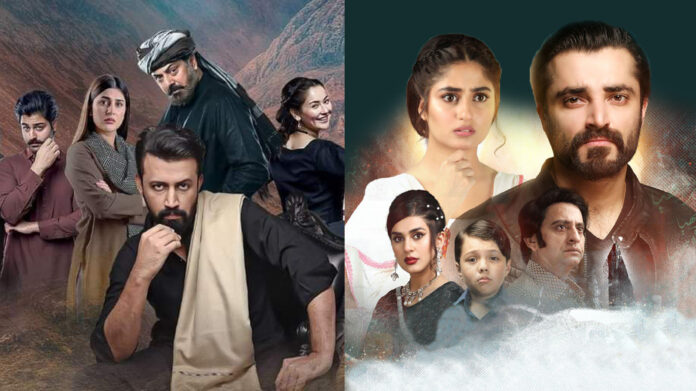
Atif Aslam’s debut as Hilmand in Sang E Mah was highly appreciated. The drama revolved around the ancient traditions of Ghag and how one sacrifices to save those they love. Sang E Mah followed the story of Hilmand and his desire to avenge his father’s death. However as circumstances develop, tables turn and Hilmand is left devastated when he discovers the one he wanted to avenge his father from had actually been shielding him from the truth all his life.

The drama showed Zarsanga and Haji Marjaan committing suicide to save themselves the embarrassment of appearing in front of their clan. Haji Marjaan who had been the tribal leader was posed as a strong and pious man but when the duo committed suicide, it left the audience divided over the matter of it being ethically correct or not. The drama, otherwise a hit, was questioned on its ethics after the final episode aired. We just wish it had not glorified suicide as the only way out of tribal embarrassment.

Alif

Alif needs no introduction. The drama was a masterpiece of its own. Perfect casting, excellent direction with a storyline that touched the heart, Alif was a class apart when it comes to Pakistani dramas. However, we still hold this teeny little grudge in our hearts against the makers of Alif for sending Qalb e Momin and Momina Sultan on their own separate paths.

Momin was shown busy with his calligraphy in Turkey while Momina decided to re-open Master Ibrahim’s house to continue the work of repairing Qurans that Husn-e-Jahan had started. The two found the purpose of their lives together and it would have been best had they been a shown together, living a peaceful, fulfilled life along each other. But of course, it just couldn’t be.

Was Sehar Khan The Ideal Choice To Play Umeed in Fairy Tale?

Sehar Khan as Umeed

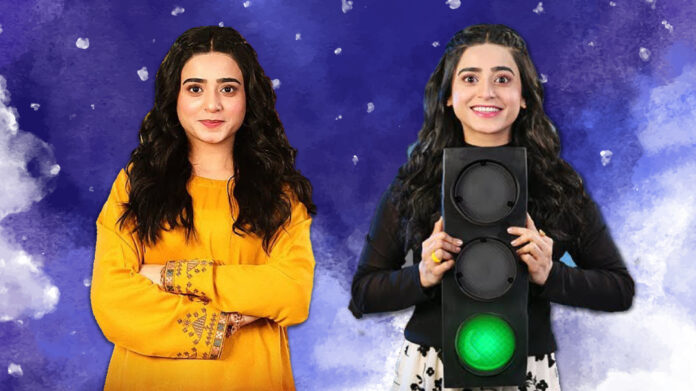
Sehar Khan, the star of the megahit drama serial Fairy Tale is making waves as Umeed. Her performance and character in the drama have curated a separate fan base. But did you know the actress rejected the script eight times before saying yes?

The rom-com Ramazan drama, Fairy Tale aired this Ramazan on HUM TV. Due to its massive popularity the drama got renewed for a sequel, which is currently on air. The key reasons behind the success are the characters in the drama and the actors who have essayed their roles to perfection.

The protagonist, Umeed’s character is no different. Her lively, spontaneous, and devil-may-care nature has sat well with the audience, who are adoring the free-spirited character they are watching on screen.

Sehar Khan Turned Down Fairy Tale 8 Times

Sehar Khan, who has brought the character of Umeed to life, has indeed done justice with the role. However, the actress recently revealed in her interview with Aamna Haider Isani that she turned down Fairy Tale’s script eight times. She said that when the script was offered, she was busy with another significant project and thus refused the offer.

Despite her refusal, HUM TV was persistent to have Sehar on board to play Umeed Pasha’s character as they believed she would be able to do justice to the character and not portray Umeed as a mature girl. Sehar eventually agreed to read the script after which she quickly changed her mind and agreed to do the drama. Sehar’s recent revelation made us grateful that she eventually said yes to Fairy Tale and we could not help but think why she was the perfect choice to play Umeed’s character. Here is what we think:

Captivating Screen Presence:

Sehar Khan is one of those actresses who have the innate ability to command the screen with their presence. The actress has the ability to captivate the audience and with her charisma and charm draw viewers in, making them emotionally invested in the characters she portrays.

Due to Umeed’s quirkiness, it was fairly easy for an actress to go overboard, that would have made the character unbearable to watch on-screen. However, Sehar Khan is able to do justice to Umeed’s role by striking a balance between quirkiness, cuteness, and maturity. The amalgamation of all this has made her character likeable to watch.

Chemistry and On-Screen Dynamics By Sehar Khan:

The success of any on-screen drama often hinges on the chemistry between the lead actors. Sehar Khan’s portrayal of Umeed is further elevated by her on-screen chemistry with her co-stars, especially Hamza Sohail.

The first-time on-screen pairing of Hamza Sohail and Sehar Khan is a delight to watch. Their banter and arguments in the first season, followed by their cute and romantic moments in the second, have given us several awe-worthy moments that we adore as Fairy Tale stans.

In addition, her interactions with other co-stars in Fairy Tale are both heartwarming and intense, adding depth to the narrative.

Sehar’s prior experience:

Sehar’s previous work has certainly played a role in preparing her the role in Fairy Tale. Her previous projects in dramas such as Farq, Zakham, Rang Mahal, Mushk, and Dikhawa among others has added the skillset needed to play such a pivotal role on-screen that too with grace and elegance.

The selection of Sehar Khan for the role of Umeed in the drama series Fairytale stands as a shining example of impeccable casting. Sehar has not only delivered an exceptional performance but has also excelled in a comedic role, a feat that is undoubtedly challenging to master.

The #MeToo Movement: Hit or Miss in Pakistan?

MeToo movement

Actress Faryal Mehmood recently shed light on the significant transformation in the attitudes and behaviors of Pakistani male actors following the global #MeToo movement. In a candid interview on Momin Saqib’s show “Had Kar Di,” the Gustakh actor expressed her observations about the change that has taken place within the industry.

Faryal noted, “Since the #MeToo Movement, I’ve seen a lot of change in male actors. They treat us with a lot of respect and love now. It’s almost like it was never a problem.”

Faryal Mehmood’s statement underscores the profound impact of the #MeToo movement on the Pakistani entertainment industry. Her observations serve as a starting point to delve deeper into the transformations and conversations within the industry.

The #MeToo movement, which gained global prominence in late 2017, was a watershed moment in the fight against sexual harassment and misconduct. It empowered countless individuals to come forward and share their experiences, hold perpetrators accountable, and demand justice. However, while the movement found resonance in various parts of the world, including the United States and India, it faced unique challenges in Pakistan.

Voices of Change – How Did Pakistani Celebrities React to The #MeToo Movement

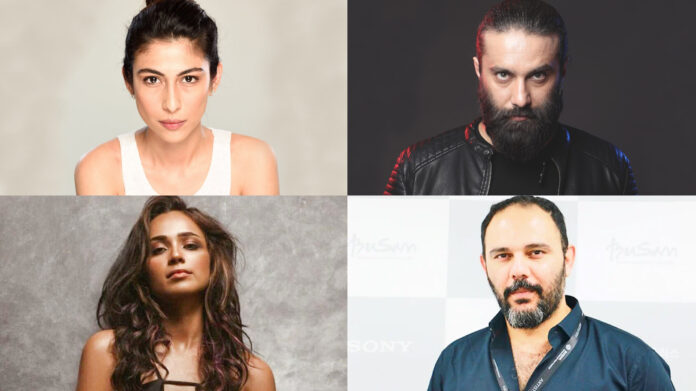
Faryal Mehmood is not alone in recognizing the changes spurred by the #MeToo movement within the Pakistani entertainment world. Several prominent figures have shared their insights and experiences, a few of which include:

Jami

The acclaimed filmmaker Jami took a brave step by sharing his own experience of sexual assault, sparking a crucial conversation. His revelation not only highlighted the prevalence of harassment but also inspired solidarity among industry peers. Jami’s courage led to increased accountability and efforts to eradicate harassment from the industry.

Saba Qamar

The versatile actress Saba Qamar addressed the issue of harassment in the entertainment industry as well. She emphasized the need for actors to speak up against harassment and called for collective action to ensure a safer working environment. Saba’s willingness to discuss such sensitive topics has encouraged others to follow suit.

Sadaf Kanwal

The renowned model and actress Sadaf Kanwal expressed her views on the #MeToo movement, albeit with a different perspective. Asserting that she has never been a victim of sexual harassment of any sort, Sadaf shared, “You know aap ke saath MeToo jab ho, tab boldo. Baad mai aap ko yaad araha hai MeToo (One should speak up about it when it happens).” While her stance differs from those who have openly shared their experiences, Sadaf’s comments highlight the complexity of the issue and the varying opinions within the industry regarding how to address harassment and abuse.

The #MeToo Movement in Pakistan

The #MeToo movement, which originated in the United States, made its way to Pakistan, exposing numerous instances of harassment, abuse, and misconduct within the entertainment industry. Several high-profile cases rocked the nation, leading to a reckoning within the industry. Allegations against influential figures prompted discussions on power dynamics, accountability, and the urgent need for change.

As we reflect on the state of the #MeToo movement in Pakistan, let us remain optimistic that the situation will improve. The industry and society at large can continue to evolve toward a culture of transparency, accountability, and respect.

The #MeToo Movement: Barriers to Speaking Out

  1. Cultural Stigma and Shame: One of the major deterrents to coming forward in Pakistan is the deeply ingrained cultural stigma associated with discussing matters related to sexual harassment or abuse. Victims often fear being ostracized, blamed, or shamed by their families, friends, and communities. The conservative nature of Pakistani society, where issues of honor and modesty hold great significance, adds an additional layer of silence around such matters.
  2. Fear of Retaliation: Survivors in Pakistan often fear retaliation by their perpetrators, who may have significant social or economic power. Many perpetrators use their influence to suppress victims and ensure their silence, making it difficult for survivors to come forward without facing consequences.
  3. Inadequate Legal Framework: Pakistan’s legal framework pertaining to sexual harassment and abuse has been criticized for being inadequate and ineffective. While some laws exist, their enforcement and implementation are inconsistent, leaving survivors with little faith in the legal system’s ability to deliver justice.

Ultimately, it is the responsibility of all stakeholders, from actors and directors to audiences and policymakers, to work together to create an environment where everyone feels safe and valued. Only then can the true potential of the #MeToo movement be realized in Pakistan. It is also up to stakeholders to minimize misuse of the movement and its motives.

Conclusion

The #MeToo movement has undoubtedly sparked a degree of introspection within the Pakistani entertainment industry, leading to changes in the ways actors interact on set. While some notable voices like Faryal Mehmood, Saba Qamar, and Jami have spoken out about harassment and misconduct, it’s essential to acknowledge that the movement’s impact has largely been limited in Pakistan.

While the road ahead may seem challenging, it is crucial to remain hopeful. The conversation about harassment, consent, and respect within the entertainment industry has begun, albeit slowly. The #MeToo movement may not have achieved the widespread change that many had hoped for, but it has planted the seeds of awareness and accountability. It serves as a reminder that change takes time and collective effort.

Is Mayi Ri’s Shocking Pregnancy Twist Sending the Wrong Message About Child Marriage?

Mayi Ri drama

Drama Mayi Ri starring Aina Asif as Annie and Samar Abbas as Faakhir has reached a new breaking point. In the most recently concluded episode 41. We now have the revelation that 15-year-old Annie is pregnant.

The news has left viewers at a crossroad, unsure of how to react. Some are feeling sad, as they know that Annie is too young to be a mother. Still others are feeling disgusted, as they believe that child marriage is a problem and that depicting pregnancies as such light matters can be detrimental.

Child marriage is a deeply entrenched social issue in many parts of the world, including Pakistan. It is a practice that violates the rights and well-being of children, often forcing them into adult responsibilities they are not emotionally or physically prepared for. In light of this, depicting pregnancies in such a light-hearted manner can be perceived as trivializing a grave issue and normalizing underage pregnancies, which can have detrimental effects on society.

Viewers Seem Confused Over Mayi Ri

The shockwaves of this unexpected twist are still reverberating through social media, as viewers grapple with the implications of Annie’s pregnancy. What has stirred the pot even more is the fact that the storyline had not yet depicted any intimate moments between Annie and her husband Faakhir, played by Samar Abbas. This development raises complex questions about the portrayal of sensitive issues such as child marriage and early pregnancy in popular media.

The pregnancy plot has sparked a debate about how such storylines should be handled in dramas. Some people believe that these storylines should be avoided altogether, as they can normalize child marriage and early pregnancy. Others believe that these storylines can be used to raise awareness about the problems of child marriage and to educate viewers about the consequences of early pregnancy.

Some viewers believe that the plot was handled in a careless way and that it could send the wrong message to young people. They also believe that the producers should have done more to educate viewers about the problems of child marriage and early pregnancy.

Where To From Here For Mayi Ri?

When handling sensitive storylines in dramas, it is important to do so with care. Writers and producers should be aware of the potential impact that these storylines can have on viewers, especially young people. They should also be mindful of the cultural sensitivities involved.

The drama Mayi Ri now stands at a critical juncture where it could either serve as a powerful platform to shed light on the problems of child marriage and early pregnancies or risk sending a confusing and harmful message. While some viewers argue that this twist might be a good starting point for addressing these issues, others are concerned that the portrayal is far from sensitive and responsible.

How to Handle Sensitive Storylines in Dramas

The key to navigating this complex terrain lies in how such storylines are handled with care and responsibility. Writers, producers, and directors have a significant role to play in ensuring that narratives do not inadvertently glorify or romanticize child marriage or early pregnancies. These topics should be approached with the utmost sensitivity and research to accurately reflect the harsh realities faced by those affected.

Moreover, it is essential to provide context and education around these issues, both within the drama and through accompanying public awareness campaigns. This can help viewers understand the consequences and challenges faced by young individuals in such situations and encourage discussions on how society can work towards preventing child marriage and supporting young mothers.

Does Samar Abbas Have It in Him to Become a Seasoned Drama Star?

Samar Abbas

The lead star Samar Abbas Jafri who is currently starring in ARY Digital’s drama, Mayi Ri has garnered massive popularity and love from the audience for his performance as Fakhir. The audience is praising his performance and our curious about the new actor in town.

Mayi Ri marks Samar’s debut in the world of television dramas. The actor has previously done several commercials over the years.

The impact of his character in Mayi Ri:

Samar has received an unprecedented love for his role in the drama Mayi Ri. His character Fakhir is winning the hearts of the audience due to his refreshingly positive role in the drama.

Mayi Ri follows the story of two teenagers, Annie (played by Aina Asif) and Fakhir who are forced to marry each other due to their family pressure. In addition to narrating the story of other characters in the drama, Mayi Ri’s pivotal focus is on the character evolution of Fakhir.

In the drama we are introduced to Fakhir as a careless teenager whose life revolves around his friends and games. Reality hits him when his family forces him to marry his cousin Annie which follows his father’s death in the drama. A devastated Fakhir is left with a household and a business to take care of alongside a young wife. The story unfolds as it shows Fakhir’s evolution from a negligent teenager to a responsible young man.

The audience is doting on his character development and the care that he shows towards his wife and family. Samar Abbas has indeed put his heart and soul into the character, which is reflecting on-screen.

The multi-talented young star:

Samar has won the audience’s hearts not only through his acting skills, but also through his singing talent. He has sung several songs in different shows for the promotion of his drama and has received an overwhelming response from his young fan base.

His struggle over the years:

Many of us remain oblivious of the years of struggles our actors put in in order to succeed in the entertainment industry. Samar is no stranger to this. The actor has been working on commercials over the years and has been doing small projects since he was a child. Now, his art is being appreciated following his debut drama. Way to go Samar!

Audience’s reaction to his character Fakhir in Mayi Ri:

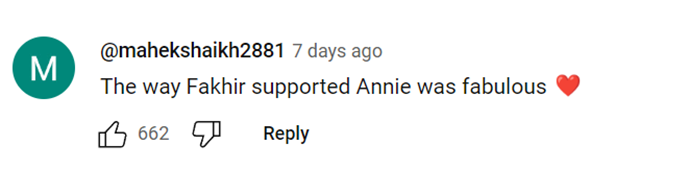
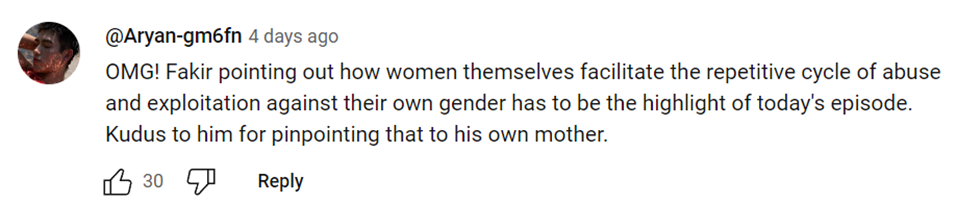
The audience is nothing but praises for Samar’s character Fakhir in the drama. Here are some of the comments of the viewers of Mayi Ri:

Undoubtedly, Samar has delivered exceptionally in his debut project. We are hopeful that he will continue to impress the fanbase he has curated with Mayi Ri by taking on diverse and impressive roles in the years that follow. The young actor has a lot of potential and energy which can be translated to his art. We wish him good luck for all his ventures ahead and hope to continue to see him in different projects.

Jawan Fever: Is It Time to Release Indian Films in Pakistani Cinemas?

Indian films in Pakistan

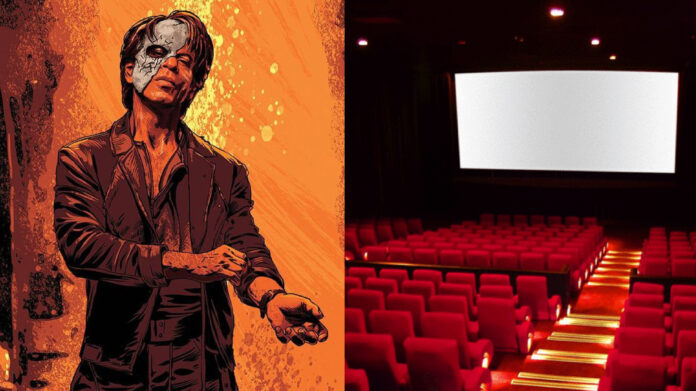
In recent times, there has been a resurgence of interest and debate among cinephiles and fans of Bollywood, regarding the possibility of Indian film screenings in Pakistani cinemas. This debate resurfaced after the release of Bollywood superstar, Shah Rukh Khan’s action film Jawan in cinemas.

SRK fans inevitably feel left out after being deprived of having the chance to watch the film on the big screen.Previously, Bollywood fans felt the same way when Karan Johar’s film Rocky Aur Rani Kii Prem Kahaani, starring Alia Bhatt and Ranveer Singh, was released in July.

The release of Indian films in Pakistani cinemas is subject to varied opinions and arguments both for and against. In this article we delve into the reasons whether to or not to screen Indian films in Pakistan.

Going back in time: Initiation of ban of films on both sides of the border

The ban of Indian films in Pakistani cinemas and vice versa was initiated by both India and Pakistan in 2016 due to the rising tensions and conflicts between the two countries, particularly in the aftermath of the Uri attack in India. The ban on Indian films was part of a larger effort to restrict cultural exchanges between India and Pakistan at that time.

Case for releasing Indian films in Pakistan:

Diverse entertainment:

The proponents of Indian movie screenings also highlight the extensive variety that Indian cinema offers. From comedy to romance, action to intense drama, Indian films cater to a diverseaudience. This diversity in content could potentially enhance the overall cinematic experience for viewers, appealing to a broader demographic and further enriching the cultural tapestry of Pakistan’s entertainment landscape.

In addition, this can also lead to healthy competition with the local industry, who, in order to compete, will strive to produce content that is above-par and appeals to the audience. Thus, improving the quality of content produced in the local film industry.

Cultural harmony and exchange:

Advocates for the screening of Indian films argue that it has the potential to foster valuable cultural exchange and build strongerconnections between the countries. They highlightthat films, as a medium, possess the unique ability to transcend political borders and unite audiences through shared stories and experiences. By permitting the release of Indian movies in Pakistani cinemas, it is likely that the cultural differences can be bridged which can be a step toward greater mutual understanding and harmony between the two nations.

In addition, the release of Indian films can also be a step towards collaboration of artists from India and Pakistan, which can result in improved quality of work.

Economic boost:

Another compelling argument in favor of screening Indian films in Pakistan lies in the economic benefit that Pakistanis can gain. The substantial economic benefit lies in the potential to generate revenue not only for local cinema owners but also for distributors. Government can also benefit through taxation.

Given the popularity of Indian cinema in Pakistan, there is an obvious demand for Bollywood films. The economic benefit lies in the basic economic concept of demand and supply. The screening of Indian films will not only create income for the cinema owners but will also provide the much-needed support to the local film industry, by bringing back the culture of watching films on the big screen.

Advocating against screening of Indian films:

Local culture at stake:

Indian films are inevitably flag bearers and representation of their own culture. Their national identity and culture are highlighted in their films. Critics argue that permitting Indian movies into Pakistani cinemas may erode the distinct cultural identity of Pakistani cinema and overshadow the local industry.

They also believe that the audience might gravitate towards Indian films and adopt their local culture, thus diluting the national identity in the process.

Furthermore, due to tense political situation on both sides, Indian films often have a patriotic element, which again can be considered a threat to national identity.

Political sensitivities:

Another argument against the release of Indian films in Pakistan is that allowing the release of Indian films might inadvertently lead to political controversies and diplomatic tensions.Opponents of screening Indian movies in Pakistan point to the complex political history between the two countries. They contend that allowing Indian films might inadvertently trigger political controversies and diplomatic tensions.

Local film industry protection:

There’s a concern that due to the high budget of Indian films and their expertise and the advanced technology employed in making films, couldovershadow and undermine the growth of Pakistan’s own film industry, which has been making steady progress in recent years.

Critics argue that prioritizing the preservation and growth of the domestic film industry should be the foremost concern. They believe that by investing in and promoting local cinema, in the long run, Pakistan can ultimately generate substantial revenue and gain international recognition.

While the dialogue continues and the number of arguments shaping this debate increases, we have not been able to reach a conclusion yet. Which side of the argument do you stand on? Do you believe that Pakistani cinemas should open their doors to Indian movies, or do you think it’s essential to protect and promote local cinema? Share your insights with us in the comments

Infertility and Second Marriage: Is Neem’s Plot Twist Justified?

Neem drama wedding

HUM TV’s drama series Neem has been steadily garnering a decent number of views on YouTube over the past weeks, with its loyal fan base tuning in and lauding the drama for its execution of a integral social issue that plagues our society, education.

However, the most recent episode of Neem has stirred up controversy and faced criticism from viewers. This backlash stems from the plot development involving Zimal, portrayed by Mawra Hocane, who, upon learning that she cannot conceive a child, plans ger husband’s second marriage to her friend. Many in the audience have voiced their concerns about this storyline, deeming it regressive and problematic.

Zimal’s saintly pursuits in Neem:

Zimal’s relentless pursuit of arranging her husband’s marriage, and her active involvement in the entire process, has raised eyebrows among viewers. The entire plot where Zimal decides to get her husband married seems stretched and unrealistic. It portrays her as a saint, who is devoid of human emotions.

Zimal not only encourages her husband’s second marriage but also personally asks for her friend’s hand in marriage and later attends the wedding ceremony. This did not sit right with the viewers and given Zimal’s strong-willed persona, many anticipated a different trajectory for her character, leaving the audience divided over the direction the story is taking.

An attempt towards dramatization:

A significant portion of the audience has expressed their apprehensions regarding the drama’s recent turn. While Neem initially made a commendable effort in addressing social issues, the introduction of a plot encouraging polygamy seems problematic. Viewers believe that this plot twist has taken away from the drama’s original message, diluting its impact in the process.

The need to handle the issue of infertility with sensitivity in Neem:

With Zimal’s character depicted as a strong-willed and socially conscious individual, the audience was left feeling disappointed with how her character handled the infertility issue. Given her character’s established values, the audience anticipated a more sensitive approach to this issue, one that would spread positivity, set an example, and offer hope to those who have faced similar challenges.

Instead, viewers felt that the drama missed an opportunity to portray the husband and wife as a supportive team. With Zimal already having shown to take a young boy under her wing, perhaps they could have shown the couple choosing to adopt. Such a portrayal could have set a precedent and would have given out a positive message to the audience.

Mawra Hocane’s commendable acting skills in Neem:

One thing is for certain, Mawra won our hearts with her acting skills in the drama Neem. The pain of Zimal’s character is reflected in her eyes, and she is able to make the audience cry with her- a skill possessed by only a few actors. Her acting skills have successfully made Zimal a memorable character in the eyes of the audience.

Neem is penned by Kashif Anwar and produced by Momina Duraid. The drama is helmed by Parizaad director Shahzad Kashmiri. The ensemble cast of the drama features Syed Jibran, Mawra Hocane, Arsalan Naseer, Ameer Gilani, Rahil Siddiqui, Hassan Shah, Hani Taha, Maryam Nafees, Shamyl Khan, Adeel Khan, Ismat Zaidi, Alamdar Khan, Areeba Tirmizi, Tahira Shahzad, Yousuf Bashir Qureshi and others.

How Important is Fashion as a Transformative Source for Shaping On-Screen Characters in Pakistani Dramas?

Fashion and Style in Pakistani Dramas

The impact of styling decisions on a character’s persona in Pakistani dramas is nothing short of exponential. In our vibrant world of Pakistani dramas, where storytelling reigns supreme, it’s easy to overlook the transformative power of fashion. However, these style choices hold the potential to either define or diminish a character, leaving an indelible mark on the audience’s memory and turning them into icons that are remembered for years to come.

How can styling aid in building characters?

Styling can be a powerful tool that can be employed for various purposes and can undoubtedly aid in building an entire persona of a character. From building a stronger connection with the audience to symbolizing a time and era setting, in addition to helping with character development, good styling can go a long way.

Over the years our actors and directors have given us some memorable looks and have sketched a distinct style for their characters that has proven to be a significant element in making a character iconic.

Good and bad: Unforgettable wardrobe moments in Pakistani dramas over the years

Mahira Khan’s iconic look in the 2011 drama serial Humsafar, where she donned in a flowy black dress remains fans’ favourite till date. The dress is vintage and gained so much popularity more than a decade ago that hundreds, if not thousands, of fans, recreated the look. Ask a Pakistani drama fan and we are certain they can spot Khirad’s character in a moment of seeing Mahira’s picture in that black dress.

This was not the only time Mahira Khan’s wardrobe choice got recognition from the fans. In her last aired television project -as of now- Mahira hit it out of the park when it came to styling her character Mehreen in Hum Kahan Ke Sachay Thay. Her no-makeup makeup look, alongside her round pair of glasses, and loose braid, complimented Mehreen’s character and mirrored her personality.

Another iconic look from the past drama serial was Yumna Zaidi’s styling for Mahjabeen’s character in Pyar Ke Sadqay. Mahjabeen’s goofy personality was reflected not only through her body language, dialogues, and expressions but also her dungarees. Later her transformation, after marriage, was reflected also in her wardrobe i.e., to a more sophisticated style with subtle makeup, blow dried hair, and modish shalwar kameez.

In Ishq Zahe Naseeb, Yumna Zaidi once again created a remarkable character, Shakra, who was a maid in the house of the protagonist character and also his split personality. Shakra’s red pout, curly hair, and her signature red dubatta and black shalwar kameez, sent chills down the audience’s spine and added a layer of mystery in her character.

Another actress who captivated our attention with her fashion choices was Sarah Khan in the drama Sabaat. Although her character, Miraal, faced criticism for her stubborn and antagonistic role, her wardrobe choices were on point. They effectively conveyed the essence of a wealthy young woman and exuded a chic, contemporary, and trendy appeal.

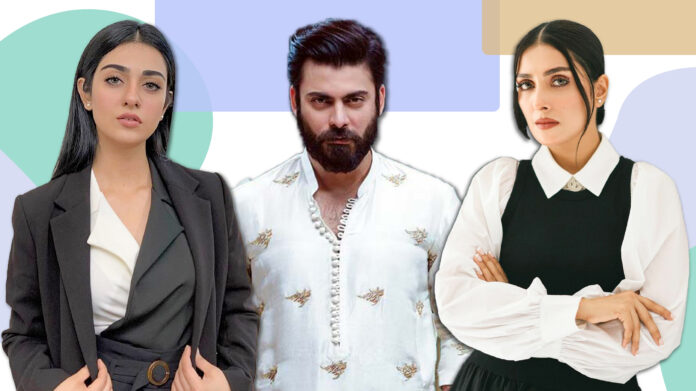
Ayeza Khan has garnered consistent acclaim for her fashion selections. Her portrayal in Chupke Chupke will forever stand out, thanks to her distinctive hair clips, jeans, and loose kameez. Her styling departed from the usual on-screen conventions, crafting a distinctive and individualized look for her character. Furthermore, her appearance in Meray Paas Tum Ho received notable praise. The evolution of her character, transitioning from aspiring wealth, acquiring it and adjusting her attire accordingly, to her eventual downturn, was skillfully portrayed through her appearance. Furthermore, Ayeza Khan’s stunning appearance in a black saree also left a lasting impression.

However, Ayeza Khan’s recent styling in the drama Mein has received criticism from the audience. The clothes that have been shortlisted for the scenes are mismatched and fail to enhance her character.

Moving to the men and their fashion choices some actors have left us impressed over the years. In the drama, Main Abdul Qadir Hoon Fahad Mustafa not only aptly portrayed the evolution of his character, but his choice of outfits was on point for each phase of the character’s life shown.

Moreover, in the period play Dastaan, Fawad Khan’s wardrobe choice was immaculately decided. The outfits were appropriate according to the time period and also mirrored the mood of the drama. In addition, it made the character believable.

Naumaan Ijaz has time and again proven his acting skills. An element that has certainly played a pivotal role in shaping his roles are his outfits for each drama and the overall styling. A notable character that he played in the popular drama Sang-e-Mar Mar was Gulistan Khan. The character’s attire was in accordance with the Pashtun culture that was being highlighted in the drama.

Another memorable fashion moment that won the heart of not only the entire nation but also left its impact globally was Murtasim Khan’s shawl. You guessed it right. Wahaj Ali’s character Murtasim from Tere Bin will always be remembered-among many other reasons – for its iconic shawl. The fashion choice of adding a shawl left so much impact that shawls have made a return to men’s fashion in the country.

Costume Design Pitfalls in Pakistani Dramas

Unfortunately, there has been a noticeable lack of attention to costume design in our dramas. Firstly, there’s a prevalent uniformity in character appearances. Female characters typically sport blow-dried hair, standard shalwar kameez attire, and a consistent makeup style, making it challenging to distinguish between characters and appreciate the individual actors portraying them. Similarly, male protagonists often adhere to a familiar formula of gelled hair and mostly sporting stubble.

Moreover, the depiction of characters often strays from realism, with female characters frequently adorned in excessive makeup even during hospital scenes or emotionally charged moments.

Additionally, we frequently observe characters being styled according to stereotypes. Heroines and female leads are usually seen in traditional eastern attire, while wealthy antagonists tend to don western clothing. This stereotypical approach to dressing characters limits the diversity and authenticity in our dramas.

Internationally thoughtfully styled characters: the transformative power of fashion in television

Fashion in television can be a game-changer, turning characters into iconic figures. Internationally, we’ve witnessed numerous examples of characters becoming synonymous with their fashion choices. For instance, Rachel’s character from Friends remains iconic till date. Jennifer Aniston’s character not only influenced hairstyles but also inspired fans to emulate her outfits from casual to formal.

Moreover, the unconventional fashion showcased in The Devil Wears Prada garnered significant appreciation and set new trends in the fashion world.

Characters like Mike Ross and Harvey Specter from Suits redefined men’s fashion, leaving a lasting impact with their revolutionary styles.

Fashion is the unsung hero that often shapes characters in ways we might not immediately recognize. It’s the unspoken language that transcends words, conveying depths of personality and storytelling that leave an indelible mark. Actors have harnessed the transformative power of styling to not just play characters but to become them.

Yet, amid this sartorial marvel, there’s a call for evolution in the world of Pakistani costume design, an opportunity to break free from the mold and explore the diversity of character appearances. Thus, we urge not only the actors to put in more time and effort to style their characters but also hope that producers and directors comprehend the potential of this unexplored resource and harness its potential.

Jaise Aapki Marzi: A Gripping Exploration of Narcissism in Marriage

Jaise Aapki Marzi

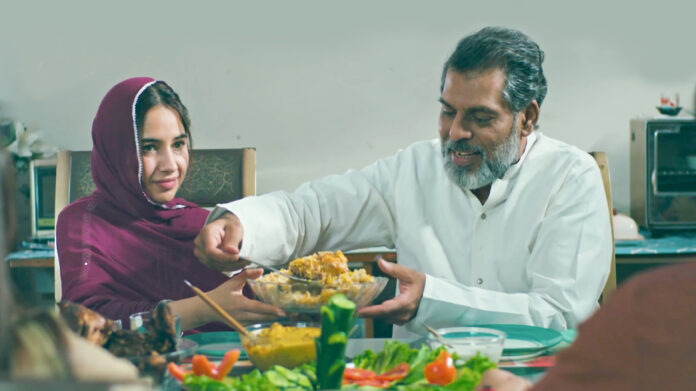
Pakistani television has always had a knack for delving into the complexities of human relationships, and the recently started drama series, “Jaise Aapki Marzi,” is no exception. Produced by Six Sigma Plus, this show has taken the audience by storm with its thought-provoking portrayal of narcissism in marriage.

In particular, Mikaal Zulfiqar’s performance as Sherry in a negative role is nothing short of remarkable. In the recent 5th episode, we see Sherry’s character take an unexpected 360-degree turn, revealing the disturbing narcissistic tendencies that can fester within the confines of matrimony.

Narcissism in Marriage: A Stark Reality

“Jaise Aapki Marzi” has garnered attention not just for its engaging plot but also for its bold exploration of a subject often left unspoken – narcissism in marriage. The show serves as a mirror to the viewers, reflecting how relationships can turn sour when one partner becomes excessively self-absorbed, often at the expense of their spouse’s emotional well-being.

In the 5th episode, the audience witnesses Sherry, portrayed by Mikaal Zulfiqar, tying the knot with Alizeh, played by Dur e Fishan Saleem. What unfolds next is a startling revelation of Sherry’s narcissistic personality traits. His character undergoes a transformation that exposes his deep-seated need for self-validation and an unhealthy obsession with his own image.

Mikaal Zulfiqar: A Masterful Portrayal of Narcissism

Mikaal Zulfiqar’s portrayal of Sherry is nothing short of exceptional. His ability to slip effortlessly into a negative character and breathe life into Sherry’s narcissism is a testament to his versatility as an actor. With each passing episode, Zulfiqar delves deeper into Sherry’s psyche, leaving the audience both fascinated and repulsed by his character’s behaviour.

One of the most striking aspects of Zulfiqar’s performance is his delivery of dialogues that highlight Sherry’s narcissism. In a pivotal scene, Alizeh, played brilliantly by Dur e Fishan Saleem, asks Sherry for a compliment on their wedding night. Instead of acknowledging her, Sherry, in his self-absorption, compliments himself as the “perfect catch.” It is this level of arrogance and self-obsession that Zulfiqar embodies flawlessly, making the viewers despise and empathize with Sherry simultaneously.

A Reflection of Real-Life Relationships

“Jaise Aapki Marzi” not only captivates its audience with a gripping storyline but also serves as a mirror to real-life relationships. Narcissism in marriage is a topic that deserves attention, as it can silently erode the foundation of even the strongest unions. The show’s ability to draw viewers into the world of Sherry and Alizeh and force them to confront the uncomfortable reality of narcissism is commendable.

“Jaise Aapki Marzi” is a must-watch for those who appreciate thought-provoking dramas that tackle complex human emotions and relationships. Mikaal Zulfiqar’s exceptional portrayal of Sherry and the show’s exploration of narcissism in marriage make it a compelling and engaging series. As the drama continues to unfold, viewers can expect more twists and turns that will keep them glued to their screens, eager to see how this story of narcissism and its consequences unfolds.