Home Blog Page 19

The 6 Best Novels Adapted as Dramas on Pakistani Television

Pakistani adaptations

Putting an end to all the speculations, it was officially confirmed a few weeks ago that Pakistan’s inaugural Netflix original is in the pipeline. This much-anticipated project is an adaptation of the highly acclaimed Urdu novel Jo Bachay Hain Sang Samait Lo, authored by the renowned writer Farhat Ishtiaq back in 2013. What adds to the excitement is that this series is being produced by the Dubai-based Momina Duraid Films FZ – LLC and boasts a stellar ensemble cast.

While we eagerly await the unveiling of this monumental undertaking, it’s worth taking a moment to reflect on the rich history of novel adaptations in Pakistani television. In this article, we’ll delve into some of the finest and iconic dramas we have seen which were based on novels.

Humsafar:

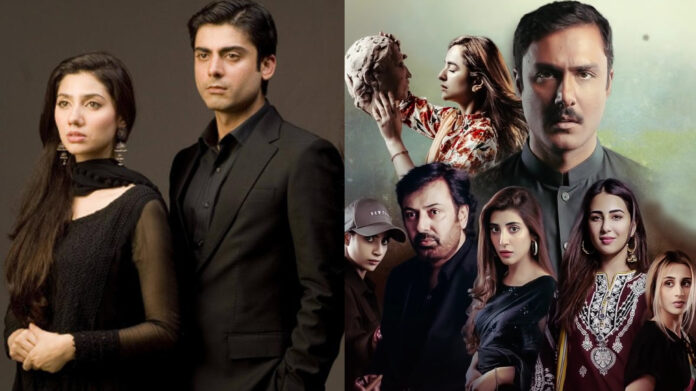
Beginning with a drama that left an indelible mark on the television landscape, we have the iconic series Humsafar. Adapted from Farhat Ishtiaq’s novel (who also wrote the screenplay), this production was helmed by the talented director Sarmad Sultan Khoosat. The stellar cast featured Fawad Khan, Mahira Khan, Naveen Waqar in pivotal roles, alongside Atiqa Odho, Hina Khawaja Bayat, Behroze Sabzwari, and Noor Hassan Rizvi in supporting roles.

For those who have yet to experience the magic of this series, Humsafar weaves a tale around Khirad and Ashar, who find themselves in an arranged marriage as cousins. The narrative unfolds as they navigate the complexities of their relationship, intertwined with a devastating twist and the ensuing confusion sown by Asher’s mother. Farhat Ishtiaq’s masterful writing shines in this drama, introducing two beloved characters and taking us through their journey which we still remember 12 years later.

Yaqeen Ka Safar:

Another remarkable adaptation of Farhat Ishtiaq’s work is Yaqeen Ka Safar, based on the novel “Woh Yaqeen Ka Aik Naya Safar.” This compelling series revolves around the transformative journey of two protagonists, Asfandyar and Zubiya, who mature and evolve through their struggles and hardships. The ensemble cast featured Ahad Raza Mir as Dr. Asfandyar, Sajal Aly as Dr. Zubia, Shaz Khan as Daniyal, and Hira Mani as Gaiti in prominent roles.

This drama was not merely a romantic narrative but a poignant exploration of various societal issues. It showcased exceptional character development that resonated deeply with the audience. The storyline delves into the life of Zubia, who tragically witnesses her mother’s demise at the hands of her father. Simultaneously, it follows Asfandyar, who confronts his own life’s adversities and following his brother’s untimely death.

The narrative traces the transformations of these two individuals, molded by the pain life has inflicted upon them. Their paths eventually converge, leading to an emotionally charged journey forward. The story’s exquisite portrayal is bound to make you teary-eyed,laugh, and most importantly cherish the booming romance between Zubia and Asfandyar.

Jo Bichar Gaye:

A recent addition to the list, which was crafted to perfection by none other than the maestro Haissam Hussain, was the period drama Jo Bichar Gaye, adapted from Col. Z. I. Farrukh’s book, ‘Bichar Gaye.’ This gripping narrative delves into the real-life events of the 1971 war. The story orbits around three pivotal characters: Wahaj Ali as Rumi, Maya Ali as Sonia, and Talha Chahour as Capt. Farrukh. The drama intricately explores the intricacies of war, highlighting the East-West Wing disparities, the political upheaval at Dhaka University, and the far-reaching repercussions of war and brutality on the political, economic, and social landscapes. It also delves into the domestic ramifications of war on everyday lives.

Through the journeys of these central characters and their experiences of war, the drama provides profound insights into the unfolding dynamics. It encourages viewers to empathize with the victims while offering poignant glimpses into the lead characters’ lives and their evolution.

Parizaad:

Parizaad, a shining example of a drama that captivated both critics and audiences, dominated television screens in 2021. This Pakistani television series, adapted from Hashim Nadeem’s novel of the same name, is directed by Shahzad Kashmiri and produced by Momina Duraid Productions.

The narrative orbits around Parizaad (played by Ahmed Ali Akbar), a college student with a dark complexion who grapples with self-esteem issues and a lack of confidence. Despite society’s harsh judgments, Parizaad stands out as a diligent, highly respectful, and well-mannered individual, leaving a lasting impact on everyone he encounters. The drama unravels his journey, introducing us to the friends and foes he encounters in life as he wrestles with an internal conflict. This conflict revolves around his choice between pursuing his true passion for poetry or opting for a pragmatic job to support his family. Parizaad is a classic tale of a rags-to-riches transformation, showcasing the evolution of Parizaad’s character and imparting numerous valuable life lessons along the way.

Umrao Jaan Ada:

Umrao Jaan Ada is a Pakistani television series adapted from Mirza Hadi Ruswa’s renowned novel of the same name. The show is skillfully directed by Raana Sheikh and initially aired on Geo Entertainment. Aamina Bano takes on the titular role of Umrao Jaan, while the supporting cast includes esteemed actors such as Bushra Ansari, Faisal Qureshi, Imran Abbas, Humayun Saeed, and Mehmood Aslam, all in prominent roles.

The narrative unfolds around a young girl hailing from Faizabad, who finds herself sold into the world of a Lucknow kotha due to a vendetta against her father. Within this new environment, she transforms into a skilled dancer and poetess. After enduring years of hardship, she eventually returns home, only to face rejection from her own loved ones.

Notably, this series was produced with a substantial budget and was considered ‘too bold’ for its times, portraying an era where such topics as extramarital relationships could be depicted openly, a significant shift from the constraints of Zia’s era.

Shehr-e-Zaat:

Shehr-e-Zaat,an enchanting Urdu drama series, graced our screens in 2012. It is a spiritual and romantic masterpiece based on Umera Ahmad’s novella of the same name. The directorial finesse of Sarmad Sultan Khoosat, combined with the production prowess of Momina Duraid, Asad Qureshi, and Abdullah Kadwani, who brought this gem to life. The series boasts a stellar cast, with Mahira Khan, Mikaal Zulfiqar, and Mohib Mirza leading the way.

Shehr-e-Zaat weaves the tale of a young woman’s transformative journey. As she endeavors to make amends for the time lost in the pursuit of worldly desires, she ultimately surrenders to Allah’s will. Along this path, she confronts the harsh realities of life and embarks on a profound transformation from self-centeredness to spiritual enlightenment.

What sets this drama apart and endears it to many is its meticulous character development. It delves deep into the story of one individual, allowing viewers to become entirely immersed in her evolution. Shehr-e-Zaat remains a favorite, cherished for its poignant portrayal of personal growth and spiritual awakening.

This list goes on, encompassing several other projects that have left an indelible mark on our hearts.

Which novel-based drama is your personal favorite? Do share with us!
Why Pakistani Cinema Needs Bollywood to Survive

Pakistani cinemas

Cinema has the remarkable power to transcend borders and cultures, connecting people through storytelling and visual artistry. In the context of the revival of Pakistani cinema, Bollywood, the Indian film industry, has played a pivotal role in 2010s. A steady influx of films contributed to assembling of new cinema chains and creation of a bigger film market in Pakistan. Unfortunately, this trend didn’t last more than decade and Pakistani cinema’s solo flight floundered before even its commercial take off.

Urri Attacks Aftermath

The aftermath of Urri attacks had Pakistani cinema as its one of the biggest affectee. The incident not only placed a sudden full stop to cross border talent exchanges but also brought cinematic exchanges to a standstill. Both the countries placed unofffocial bans of each other’s films and artists. And the current wave of right wing hindu extremism and jingoistic rhetoric fueled by both media, particularly Indian media, just adds fuel to the already engulfing fire.

Despite all the adversaries the interwoven history of Bollywood and Pakistani cinema forms the foundation of their continued relationship. Even with such intense political tensions and the separation of film industries after the independence, the cultural connection persisted. Both cinemas continued to draw inspiration from each other, with adaptations and remakes of each other’s films a commonplace. This historical association highlights the organic synergy between the two film industries.

Diversity of Talent

One of the primary reasons for Pakistani cinema’s need for Bollywood films is the diversity of content and talent exchange. Bollywood produces a wide spectrum of films, ranging from epic romances to gritty action dramas. These films will maintain a steady flow of content to the cinemas and hence keep the market alive. Who can forget the box office mayhem created by films like Dabbang, Dangal, and Sanju to name a few.

Drawing Inspiration

The flow of Indian films to Pakistani theater can benefit Pakistani filmmakers and actors can draw upon Bollywood’s rich storytelling and filmmaking techniques to create more captivating content for both local and international audiences. Furthermore, the exchange of talent between the two industries enhances the quality of Pakistani cinema. Bollywood boasts a deep pool of experienced actors, directors, and technicians who can collaborate with their Pakistani counterparts to elevate production standards. Such collaborations often result in unique and culturally rich projects that resonate with a global audience.

Commercial Gains for Local Distributors

Bollywood films enjoy a massive global following, including a substantial viewership in Pakistan. By showcasing Bollywood films in Pakistani cinemas, local distributors and exhibitors can tap into a large and diverse audience base. This not only bolsters revenue but also exposes Pakistani audiences to different cinematic styles and narratives which they are already watching on OTT platforms like Netflix and amazon prime so can’t the content be shown in cinemas?

Moreover, the release of Bollywood films in Pakistan can attract a broader audience. While most Pakistani films have been either experimental affairs or niche offerings Bollywood films are largely appealing to masses and a wide range of audiences. Bollywood flicks can bring the kind of crowd flow our cinemas need immediately and immensely.

The Success of Dangal

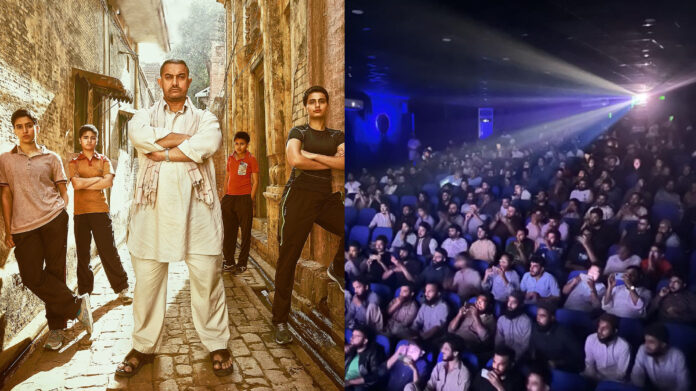
“Dangal” provides an excellent example of the market potential for Indian films in Pakistan. This Aamir Khan-starrer, based on the real-life story of wrestler Mahavir Singh Phogat and his daughters, struck a chord with Pakistani audiences. Its success demonstrated that compelling storytelling and strong performances transcend borders.

Global Impact of Bollywood

The influence of Bollywood extends far beyond Pakistan. Bollywood’s impact on international cinema revival extends far beyond Pakistan. It has served as a catalyst for the growth and recognition of cinematic traditions worldwide at many occasions. Indian films, including Bollywood, have helped expand the global market for foreign-language cinema. They pave the way for other countries to showcase their films on the international stage. Iranian cinema, known for its artistic and thought-provoking films, has gained international acclaim with the support of Bollywood-style marketing and distribution strategies. Films like “A Separation” and “The Salesman” found success at prestigious international film festivals and reached a broader audience, contributing to the revival of Iranian cinema on the global stage.

The revival of Pakistani cinema is intimately linked to the influence of Bollywood films. Historical ties, diverse content, talent exchange, and market opportunities make Bollywood an invaluable asset. As a global cinematic powerhouse, Bollywood continues to shape the landscape of world cinema and strengthen cultural bonds between nations, exemplifying the transformative potential of cinema on a global scale. Pakistani cinema has to benefit from Bollywood for its own good if it wants to come out its deep slumber.

Neelam Muneer’s Wardrobe in Ehraam-e-Junoon Sets New Trends

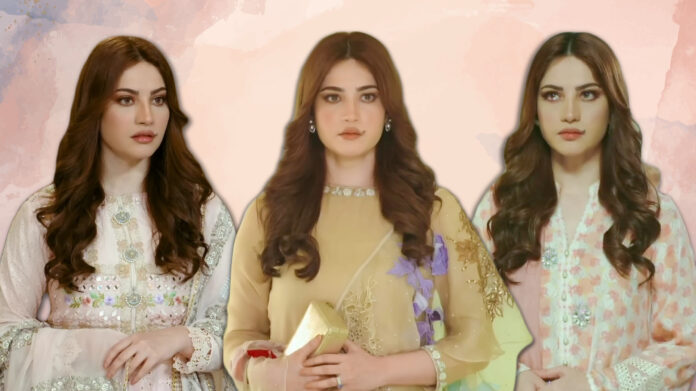
Neelam Muneer as Shanzay

They say, “Dress to impress,” and it couldn’t ring truer when it comes to the world of television dramas. The impact of good styling goes a long way when it comes to the audience registering a character in their minds. Presently, there’s one actress who’s stealing the spotlight, both for her performance and her fashion sense. We are talking about none other than Neelam Muneer who is playing the role of Shanzay in this immensely popular currently airing drama Ehraam-e-Junoon.

Neelam is getting praises for her performance and her choice of outfits in Ehraam-e-Junoon left, right, and center.

Neelam Muneer’s Chic Wardrobe molds Shanzay’s Affluent Persona in Ehraam-e-Junoon

Neelam’s portrayal of Shanzay in the drama “Ehraam-e-Junoon” introduces us to a character brimming with youthful exuberance and an undeniable sense of pride, stemming from her privileged upbringing.

What’s truly remarkable is how Neelam has expertly channeled Shanzay’s inner world and distinctive traits through her meticulously curated wardrobe.

Neelam’s outfit choices are nothing short of excellent. From Western-inspired co-ord sets to graceful long dresses and exquisite Eastern attire, she’s explored a diverse range of looks. What sets her apart is her innate ability to wear each ensemble with effortless grace, always choosing the perfect outfit for the occasion without ever going overboard.

And let’s not forget her stunning hair, often seen to be perfectly blow-dried, or styled with loose curls, or dead straight hair.

Even her choice of accessories is spot on, with necklaces that tastefully complement her outfits and bags that seamlessly blend with her overall look. Neelam Muneer’s attention to detail in bringing Shanzay to life through fashion is undeniably commendable.

Neelam Muneer’s Makeup in Ehraam-e-Junoon– A Hit or Miss?

While we praise the actresses’ effort to curate the wardrobe of the character, we unfortunately cannot help but notice how Neelam’s makeup in the drama fails to leave an impression-or if we may say has left too strong of an impression. For lack of a better word, Neelam’s makeup is too loud in the drama, which takes away from the entire persona of the character.

We get the idea of showing Shanzay’s character to be picture-perfect, in fact we would have expected nothing less keeping in mind her character’s build up. But the thin line between using makeup to enhance your look vs destroying it has been blurred in drama and in most scenes Neelam’s character has a lot of makeup on, even when there was no need for it.

Despite this, holistically Shanzay’s character has certainly won hearts with look and fashion choices.

The Collaborative Effort

While we appreciate the actor for giving us an immaculate wardrobe to gush over, we also must appreciate the production house, 7th Sky Entertainment and the director, Syed Ramish Rizvi who also played a pivotal part in contributing to the character development and fashion choices.

Neelam’s portrayal of Shanzay is a testament to how a memorable character can be created on-screen with the right intention and effort. Kudos to Neelam for nailing Shanzay’s role and for her chic outfit choices.

Mannat Aur Murad Teasers Pack An Emotional Punch

Mannat Murad

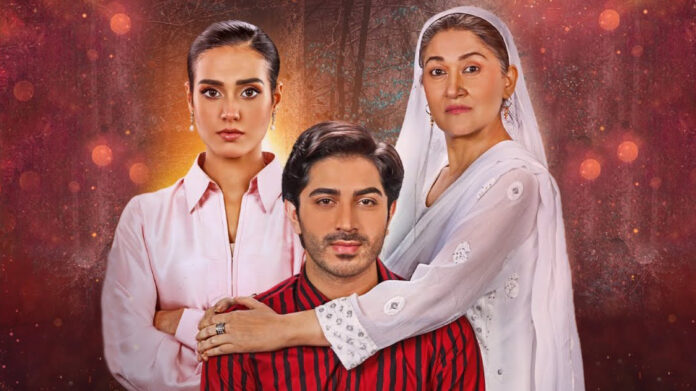
Drama serial Mannat Aur Murad will see Iqra Aziz making her comeback on television after a long hiatus. The powerhouse actor will star alongside Talha Chahour who managed to garner a lot of attraction with Wabaal, Jo Bichar Gaye, and Jannat Se Aagay.

A 7th Sky Entertainment production, the drama will have Wajahat Hussain at the helm of the ship as director and will be based on a story by Nadia Akhtar. Alongside Iqra Aziz and Talha Chahour, the drama stars Irsa Ghazal in a very prominent role. Geo Entertainment just released a few teasers of Mannat Aur Murad and we have to say that the drama seems like a good entertainer for a prime time slot.

The Plot for Mannat Aur Murad

The teasers of the drama are multi-faceted. In one place we have a story of a mother who has invested her life on her son and has raised him well. Chaudhry Murad is a mama’s boy, good looking, tall and handsome. His mother prides herself on his upbringing and has made him promise that she’ll be the one choosing her own daughter in law. The wheel of time turns and fate makes Murad meet Mannat. They fall hard for each other at first sight and things go haywire when Murad tries to convince his mother for Mannat.

In a parallel universe, we have Mannat, born and raised well in a upper class household. Mannat’s parents consider her their pride and have given her all the luxuries and freedom in the world. Mannat, seems to be an obedient girl, who enjoys the freedom her parents have given her but respects her boundaries at all times. She’s bold, headstrong and does what she pleases, without offending her parents.

The Reception

Irsa Ghazal’s character seems to be the comedic and emotional element holding and carrying the story of Mannat Aur Murad forward. Although Iqra Aziz and Talha Chahour will be playing the lead couple, Irsa Ghazal’s comic timing and emotional punches have held the audience captive, making them anticipate the on air date for Mannat Aur Murad.

Iqra Aziz, is usual her attractive self, delivering her reactions and emotions aptly, just with her eyes. Talha Chahour has managed to impress the audience in his recent television outings and it seems that he is all set to wow the audience one more time with Mannat Aur Murad.

5 Reasons Why ‘Mein’ Lost its Shine Despite a Star-Studded Cast

Mein

In the glittering world of Pakistani dramas, where star power often reigns supreme, ‘Mein’ arrived with much fanfare, boasting a celebrated director, Badar Mehmood, and the talented pen of Zanjabeel Asim Shah. The pairing, which had previously delivered hits like ‘Balaa,’ had viewers’ expectations soaring.

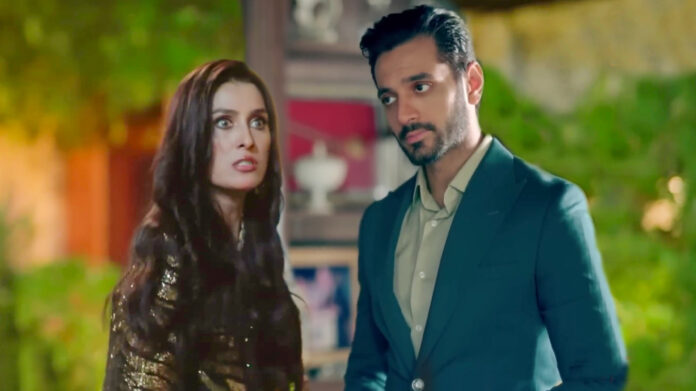
However, as we find ourselves seven episodes deep into ‘Mein,’ it’s apparent that something crucial is missing. Despite the presence of the dynamic duo, Wahaj Ali and Ayeza Khan, ‘Mein’ has failed to capture the audience’s attention. So, what went wrong? Let’s dissect the reasons why ‘Mein’ has failed to shine as brightly as anticipated.

Structural Flaws in Mein

‘Mein’ promised to be a gripping tale of two strong-willed individuals, Mubashra and Zaid, brought together by the twists and turns of fate, all while dealing with societal pressures and matters of the heart. Right from the get-go, the drama struggled with setting the stage effectively. The disparities in Mubashra and Zaid’s characters were apparent, but execution left much to be desired.

Inconsistencies in visual and emotional delivery marred pivotal moments, disrupting the narrative flow and emotional resonance viewers were expecting. Awkward camera angles, poorly timed transitions, and lackluster lighting left us yearning for a more visually engaging experience.

Ayeza Khan’s Character is Confusing

Ayeza Khan, the leading lady of ‘Mein,’ takes center stage as Mubashra. However, the character appears one-dimensional, lacking the depth and complexity that could have made her truly captivating. Much like Sarah Khan’s character in ‘Sabaat,’ Mubashra’s egocentric personality falls short of expectations, leaving us wanting more from what could have been a multifaceted role.

Mubashra Comes Across as Spoiled in Mein

Despite the drama’s focus on Mubashra’s character, we struggle to form a meaningful connection with her. Her portrayal lacks the nuances that could make her character more relatable and intriguing. Instead of showcasing the complexity of narcissism, she comes across as spoiled and undisciplined. This lack of depth in character development leaves viewers wanting a more engaging connection.

Wahaj Ali’s Meek Presence and Role as Zaid

Wahaj Ali plays Zaid, a character with all the traits that should make viewers fall for him—kindness, sincerity, and a good heart. However, there’s something amiss in the execution of his character. Zaid’s interactions with other characters and his chemistry with them are not fully explored. Dynamic relationships and meaningful connections could have brought his likable qualities to the forefront, making him a more captivating character.

Even Wahaj’s screen presence leaves much to be desired. As much as we lambast the makers and writers, Wahaj could have painted his own canvas as Zaid, but not to be.

Weak Supporting Characters in Mein

Perhaps one of the most significant disappointments in ‘Mein’ is the absence of memorable supporting characters. The lack of standout personalities in the ensemble cast is evident. Even veteran actors like Usman Peerzada and Shahzad Nawaz fail to shine due to underdeveloped roles. Peerzada’s potential remains untapped, while Nawaz appears to be focusing more on appearance than performance, leaving

‘Mein’ may have had all the ingredients for success—a star-studded cast, a renowned director, and a promising storyline. However, the failure to address structural flaws, develop complex characters, and create meaningful relationships among the ensemble cast has left this drama falling short of its potential.

While it’s not too late for ‘Mein’ to redeem itself, viewers hope that the remaining episodes will do justice to the talent involved and deliver the compelling narrative they were initially promised.

Sohail Ahmed’s Enigmatic Performance in Jeevan Nagar Leaves Audience Impressed

Sohail Ahmed in Jeevan Nagar

Veteran actor Sohail Ahmed needs no introduction. A man with multiple talents, Sohail Ahmed has given many notable projects throughout his career which are remembered and appreciated till date. His most notable character Azizi remains an audience favourite, which he played in Dunya TV comedy show Hasb-e-Haal.

Currently, we are seeing him in Green Entertainment’s drama Jeevan Nagar in which he is essaying the role of Babbar Shah and Laali Guru.

Unveiling Sohail Ahmed’s intriguing character in Jeevan Nagar:

Sohail Ahmed, with his extraordinary talent and mastery in acting, has crafted the character of Babbar Shah into an exceptionally captivating role. He portrays the character of “parha likha badmash” (the literate goon) to such perfection that it leaves the viewer hooked and invested in Babbar Shah’s character and the drama.

Sohail Ahmed has wholeheartedly embraced the challenge of bringing us a character with intricate layers, enriched with multitude of emotions. When you watch him, you can’t help but be intrigued by the depth of the character he embodies.

Babbar Shah is depicted as a man who serves as the unwavering barrier between corrupt criminals and the innocent residents of his town. His character embodies the spirit of social justice in the unconventional setting of “Jeevan Nagar,” a place where crucial social issues often get swept under the rug. These include matters like identity crises, societal class divisions, and harmful gender stereotypes.

Comedic Brilliance: Sohail Ahmed Has Left an Impact on Jeevan Nagar

Remaining faithful to his comedic roots and remarkable satirical talent, Sohail Ahmed’s portrayal of Laali Guru in Jeevan Nagar is a testament to his impeccable comedic timing and his knack for crafting utterly captivating characters.

Despite the drama’s focus on addressing critical societal issues, Sohail Ahmed has injected humor not only into his portrayal of Laali Guru but has also elevated the entire drama, making it a more immersive and enjoyable viewing experience.

The Sohail Ahmed Evolution from Laali Guru to Babbar Shah

Spoiler Alert if you aren’t a regular viewer of the show.

Jeevan Nagar has artfully woven a shroud of intrigue around Sohail Ahmed’s character, leaving the audience spellbound by his remarkable shift from Laali Guru to the formidable Babbar Shah. As the drama unfolds, Babbar Shah emerges as a strict, unwavering, and fierce figure, firmly in control of Jeevan Nagar’s affairs. However, Laali Guru—an intersex individual – is more relaxed, funny, and easy on the eyes.

Sohail Ahmed’s performance is nothing short of brilliance, as he flawlessly navigates the complex journey from Laali Guru to Babbar Shah, skillfully conveying the complex emotions and experiences for both characters throughout this extraordinary transformation.

Diverse Facets of Sohail Ahmed’s Performance

Sohail Ahmed’s portrayal on-screen is truly commendable, particularly in his interactions with various characters and the nuanced way he embodies his role. For instance, he effortlessly transforms into a gentle and compassionate individual when sharing scenes with Munni (played by Rabia Butt).

Yet, when addressing the issues of the people of Jeevan Nagar, he assumes an imposing and strict demeanor. As Laali Guru, we are introduced to a remarkably different side to his acting. These intricately layered shades of the two characters could not be played by anyone other than Sohail Ahmed.

Sohail Ahmed’s mesmerizing performance in Jeevan Nagar is a testament that actors can leave an unforgettable impact on the audience with their acting skills.

What do you think of Sohail Ahmed’s character in Jeevan Nagar?

Lollywood Remakes and Sequels That Can Revive The Local Cinema

Pakistani movie sequels

Since the beginning of time, human beings have been fascinated by the art of storytelling. While the number of stories told may be innumerable, the same can’t necessarily be said for the types of stories. It is said that there are only as many as thirty-six types of dramatic plots out there and whatever stories exist anywhere around the globe, be it in the form of films, novels, Lollywood remakes, or dramas, and be they originals, sequels, or reboots, they are all a combination of these thirty-six situations.

International cinematic fronts seem to cling to this concept and perhaps due to this reason we are seeing old stories and films being revisited and revived in the form of remakes and sequels. These films not only provide a way to retell old stories with modern sensibilities, but also provide a way to remain connected with the past.

Such endeavors may even revive the careers of forgotten yet talented actors. One such cinematic event happened in Bollywood recently where a film the name of Gaddar from early 2000s saw a sequel that not only proved a highly successful commercial affair but also led to renewed interest in the lead pair Amisha Patel and Sunny Deol, two successful actors of yesteryear Bollywood.

Lollywood Remakes and Sequels in Pakistan

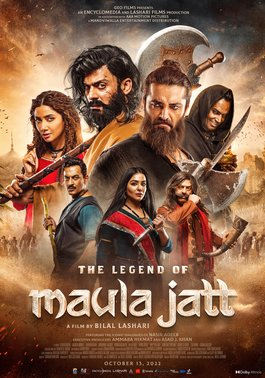
Interestingly the concept of sequels and remakes is not alien to Pakistani cinema and we have seen successful spinoffs and sequels of outings like Jawani Phir Nahi Ani, Lahore Say Aagay, and Wrong Number. And who can forget Bilal Lashari’s The Legend Of Maula Jatt that proved to be a historical and most successful cinematic offering, Pakistani cinema has ever seen. TLMJ may not be the sole example that our producers and directors can turn to. There are countless gems produced by Pakistani cinema that can be revisited with modern sensibilities and be retold to revive our old stories.

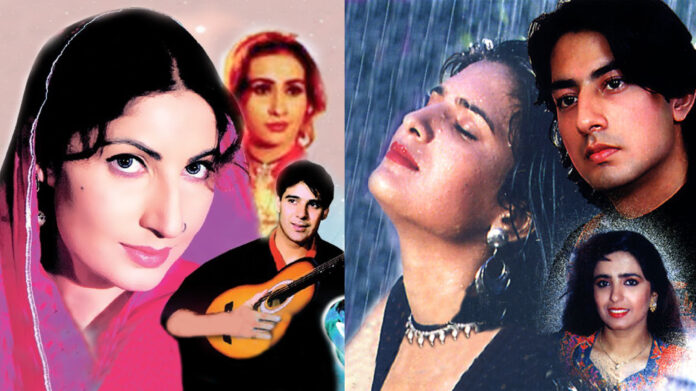
Cinema of 90s is remembered more for its non-aesthetic and technically weak films today. But even then, it managed to deliver on its duty of creating a larger-than-life environment inside the cinema halls, and produced stars like Reema, Shaan, Neeli, Babar Ali, and to a good extent, even Javed Sheikh. With the right treatment and a little attention to the stories of this era, the Pakistan film industry 2.0 can benefit immensely in its cause.

Here we quote a few examples of films from the 90s and beyond which can be remade for the new age cinema consumption. Stay with us to see the list of Lollywood remakes:

Choorian

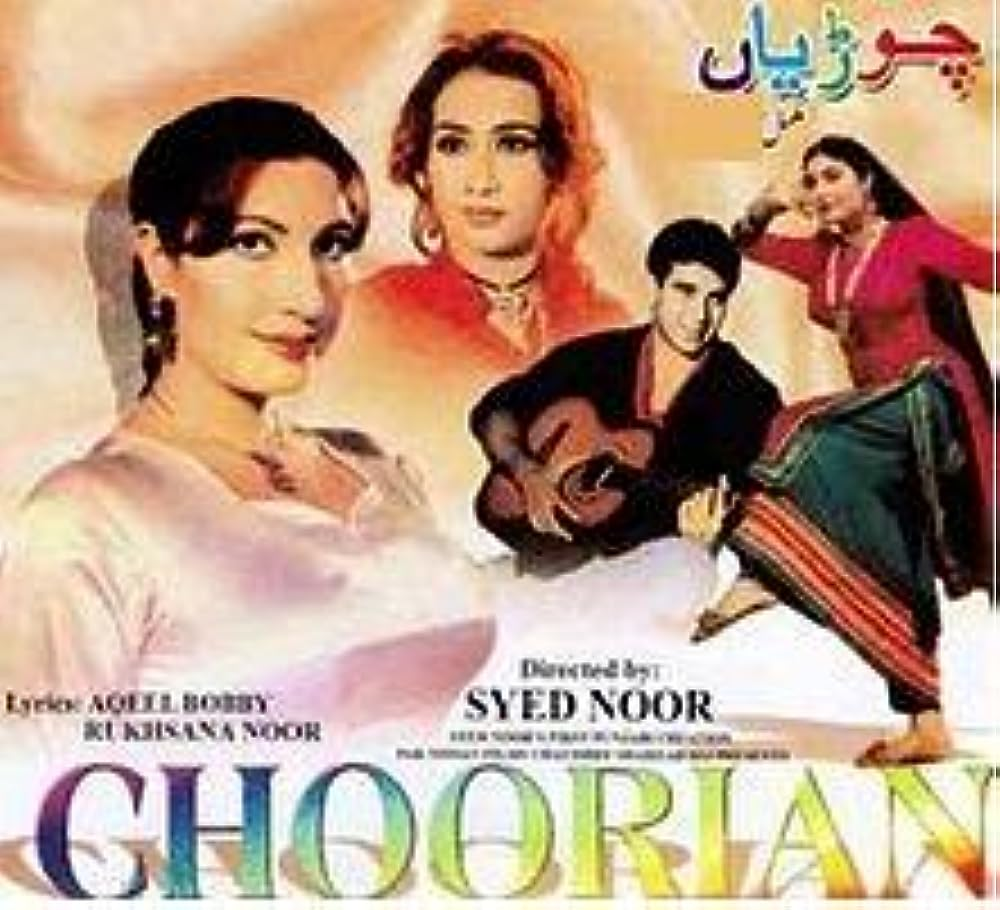
Choorian was one classic film that revived the Punjabi cinema of its time. Starring the iconic Jodi of Moammar Rana and Saima this simple love story set in rural Punjab captured the simple life of a Punjabi village with soulful music and brilliant performances.

The film broke all box office records and was dubbed “Pakistani titanic” of its time as its release coincided with this Hollywood blockbuster. Given the renewed interest in Punjabi cinema post TLMJ a Choorian remake or perhaps a sequel could be a lucrative and interesting cinematic venture.

Jo Darr Gaya Woh Marr Gaya

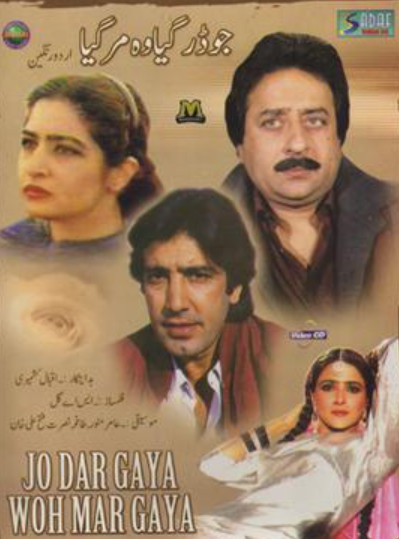
This 1995 mystery crime-thriller was a blockbuster directed by Iqbal Kashmiri and produced by Sajjad Gul. It was the big screen debut of the evergreen Atiqa Odho who was replacing another veteran, Babra Sharif. Babra by now was pretty much at the end of her career.

Starring Nadeem, Javed Sheikh, and Neeli in the lead roles besides Odho, the film was actually inspired by the 1992 Kevin Spacey starrer Hollywood flick “Consenting Adults,” and received widespread praise.

The interesting fact is that the Bollywood’s hit Film Ajnabee, too, was inspired by the same film and unlike the Hollywood version; which was a big critical and commercial failure, both the desi versions were well received.

By recreating its melodic music, the romance of Nadeem and Odho, and the darkness brought in by the characters of Javed and Neeli, the film could be an interesting and intense romantic thriller, one that Pakistani cinema hasn’t seen in recent years.

Jeeva

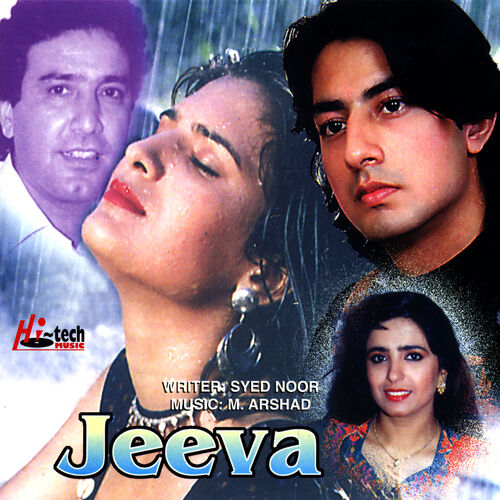
Released in 1995, Jeeva was directed by the most successful director of that decade, Syed Noor. It introduced Babar Ali and Resham to big screens and made them huge stars overnight. Shot extensively in Turkey, the film tackled multiple issues like human trafficking and honor killing, along with other problems faced by expat Pakistanis wrapped in a romantic, action-drama.

The film was also screened and garnered praise at various foreign festivals because of its subject. Veteran actor Nadeem played the titular role in it, but it was actually the playback singer Anwar Rafi, who struck gold by singing two hit songs, “Janu Sun Zara” and “Choo Ley Agr”. The film is relevant even in today’s era and could be rehashed into a gripping story for the cine goers of today. We believe Jeeva can top the list of Lollywood remakes and bring audiences back to local cinemas.

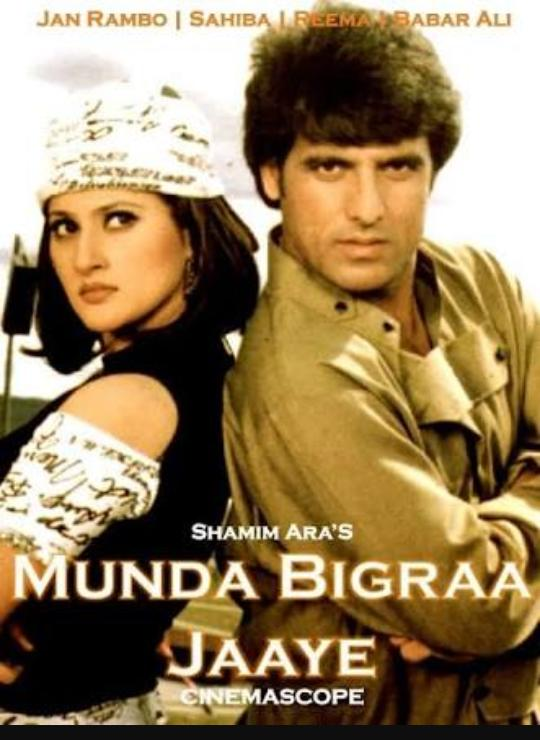
Munda Bigra Jaye

Munda Bigra Jaye was undoubtedly one of the most successful films of the 90s. It was a multi-starrer action-romantic-comedy starring Reema, Babar Ali, Sahiba, Jan Rambo, Ismael Tara, and Shafqat Cheema to name a few. The film was directed by Shamim Ara and Written by Dabeer-ul-Hassan.

It remained the highest grossing film for a couple of years until Syed Noor’s Choorian broke its record after its release in 1998. A typical Masala flick capturing various themes from con artists to patriotism and from Drug addiction to Romance, the film was a laugh riot because of the great comic timings of Rambo, Babar Ali and Reema.

Just to give an idea of how big of a success and good of a comedy it was, the film could be compared to JPNAs and Houseful series of today. The basic plot and its blockbuster music could be utilized in creating a remake that could easily attract the masses.

Green Entertainment’s Working Women To Offer a Glimpse Into The Harsh Realities Facing Women in Our Society

Working Women Cover

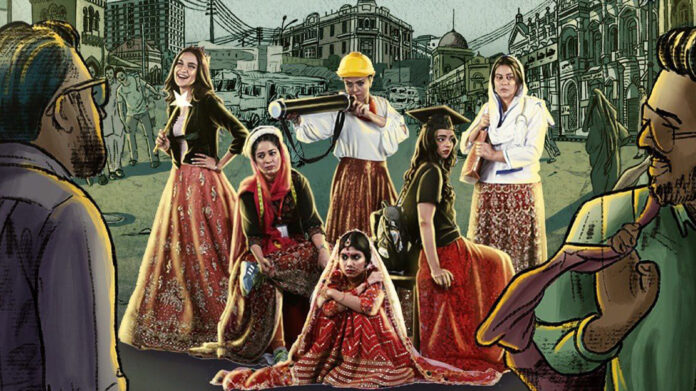
A story for women and by women, is an accurate description to classify the upcoming drama on Green Entertainment, titled Working Women. A character-based drama, Working Women is a tribute to all women from different spheres of life who aim to build a life on their own terms and conditions.

As stated in the YouTube description of the drama: “Working Women is an ode to all the women who strive to shine against all the odds and shatter stereotypes in the hopes of curating a world that celebrates resilience and grace of womanhood.”

Working Women is written by the celebrated writer Bee Gul, who has given us several thought-provoking dramas over the years including Raqeeb Se, Dar Si Jaati Hai Sila, Firdous Ki Dozakh among others. The drama is directed by none other than the talented actress Yasra Rizvi, whom we have previously seen in the web series Churails and the drama serial Dil Na Umeed To Nahi among others.

About the trailer:

Ahead of the drama’s release, we got to see the first glimpse of the drama and the characters in the trailer.

The trailer offers a glimpse into the intertwined lives of six hardworking women who share a house. It vividly portrays the daily struggles and challenges they confront in their professional lives, each battling their own inner demons.

This captivating and fast-paced trailer doesn’t shy away from depicting the harsh realities these women face. It delves into the attitudes of men who undermine women and a society that habitually diminishes their worth.

A particular dialogue in the drama stands out: “agar aap bhi shadi karlo na tu aap bhi izat wali ban jao gi.” (If you get married, you’ll gain respect. This poignant line serves as a stark reminder of the difficulties women endure in our society, shedding light on their struggles and aspirations.

A highlight of the drama is their effort to bring together a story that reflects diversity and talks about relevant issues with a novel cast that has sparked our interest.

Introducing the lead characters in Working Women:

The drama will follow the story of six working women who belong from diverse backgrounds but united by fate and their sufferings.

Maria Wasti takes on the role of Nusrat, a brilliant entrepreneur who excels in the construction industry and cultivates a strong sisterhood.

Ilsa Hareem portrays a mysterious runaway bride.

Jenna Hussain plays Rozy, a dedicated nurse and the sole provider for her family. She grapples with self-esteem issues and an unending desire for true love, and her storyline might delve into workplace harassment.

Anoushay Abbasi embodies Sadia, a small-town TikToker with ambitious dreams that go beyond her striking appearance.

Faiza Gillani becomes Hashmat, a factory supervisor hailing from the mountains with a concealed past. She fearlessly advocates for the oppressed and marginalized.

Srha Asgar tackles the role of Amber, a privileged yet courageous young woman working at a newspaper office. Struggling with childhood trauma, Amber confronts her inner demons head-on.

Working Women is certainly one project that we have our eyes on. The drama will be airing on Green Entertainment from 20th September. Are you excited?

‘Rawalpindi Express’: Is Umer Aalam Going to Play Sachin Tendulkar?

Rawalpindi Express

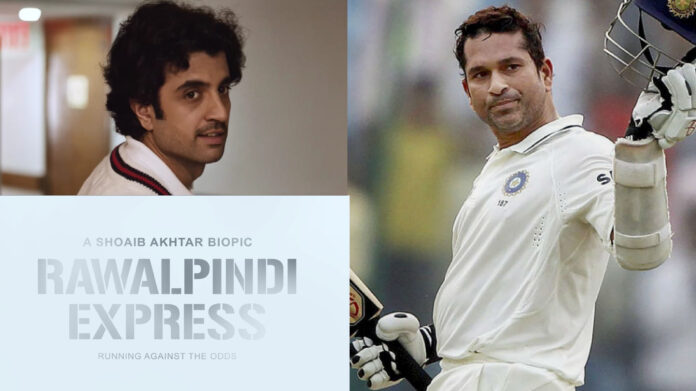
Umer Aalam – the first winner of ‘Tamasha Ghar’ — a reality-based show aired on ARY last year — will appear on the silver screen in ‘RAWALPINDI EXPRESS’. Aalam will play a role of Pakistan’s former head coach Saqlain Mushtaq. However, he was offered to play an Indian A-List cricketer in the same biopic but ended up playing Pakistan’s legendary spin bowler.

The Guru star was supposed to play the character of India’s ‘Little Master’ and even started to work on his voice tone to sound like Mr. Tendulkar but then the director Faraz Qaiser replaced his character with Saqlain Mushtaq.

Showbiz journalist Kehkashan Bukhari quoted this on her social media account after interviewing Aalam.

Release Date

Based on the life of Pakistan’s former fast bowler Shoaib Akhtar, “Rawalpindi Express” is expected to be released this year. The film gave way to controversy when singer Umair Jaswal — who was supposed to play the lead – Shoaib Akhtar — parted ways from the biopic. Jaswal announced on his social media account that due to creative and personal differences he is no longer a part of this project.

Later in July, Akhtar himself announced his ‘disassociation’ from the film. The former cricketer took to social media and shared the screenshot of his statement stating that ‘he has secured a stay order against the film and its release’.

About Rawalpindi Express

Gohar Rasheed plays Shoaib Akhtar in his latest biopic and manages to impress as the beloved Rawalpindi Express. The movie will largely follow Akhtar’s life and struggles as he becomes one of the world’s fastest bowlers, making a mark for himself in international cricket.

We saw a glimpse of the picture in the recently released teaser for Rawalpindi Express and have discussed our views here.

Daurr Finale: A Rushed Conclusion Leaves Viewers Divided

Daurr last episode

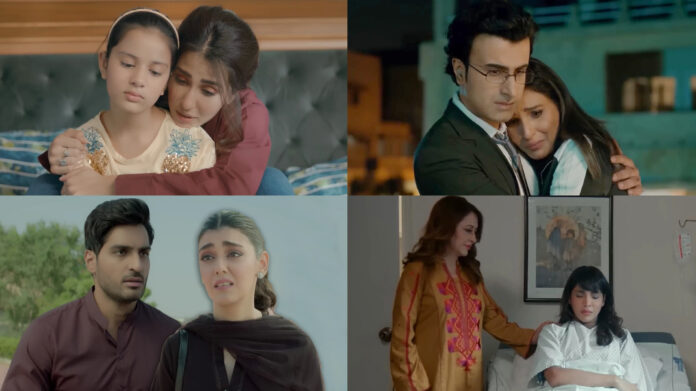
A tale of women of the twenty-first century, Daurr is an attempt towards showcasing the complexities of life that are encompassed around secrets, betrayal, insecurities, and a tinge of hope.

Green Entertainment’s drama “Daurr” reached its conclusion after a 10-episode run, evoking a range of emotions among its audience. Audience’s reaction was mixed following the release of the last episode, with some viewers expressing appreciation for the drama, and others lamenting its relatively swift ending.

Centered around the lives of four women, Daurr is a bold attempt by producers to make something different from the run-off-the-mill storylines and narrate the lives of ambitious women who have aspirations and goals. Daurr, is based on the Safina Danish Elahi novel Eye on the Prize and is directed by renowned filmmaker Wajahat Rauf and is adapted by Mohsin Ali.

Daurr Final Episode: A Rushed Conclusion and Unresolved Questions

First and foremost, let’s acknowledge the skillful direction of Wajahat Rauf. The drama’s first episode opens with a race and the last episode also concludes with a race involving the children, aptly justifying the drama’s title, Daurr. This circular narrative structure left us satisfied as it is beautifully interconnected with the storyline, making the title resonate with both literal and metaphorical significance.

The final episode rushed to tie up loose ends and bring closure to various plotlines. There is a lot to cover so bear with us. The episode kicks off with a distraught Umar attempting to take his own life, only to be saved by a friend who helps him grapple with the weight of his mistakes. As the story unfolds, each character is embroiled in their own emotional turmoil and pain, all against the backdrop of the children’s much-anticipated race.

The race eventually commences, with Amaan emerging as the victor, a moment that fills his parents with pride. Meanwhile, during the event, Laila confronts Umar, holding him responsible for the end of their relationship, unaware that Umar’s daughter overhears their conversation.

In a separate encounter, Shizray’s mother crosses paths with Minahil and expresses her gratitude for allowing her to adopt Asmara. This interaction makes us feel sympathy for the child who is left in a state of shock after learning about her adoption. Later, Shizray’s mother reveals to Shizray that Asmara is actually the daughter of her friend, a revelation that leaves Shizray profoundly surprised. In a touching and well-executed scene, Shizray reassures her daughter of her love and support.

Meanwhile, we also see Hina seeking redemption for her mistakes and her overly ambitious nature. We also see Shizray visiting Laila, who is in a state of grief after Umar left her. Shizray makes her ponder over her bad decisions and how she compromised her career for a man.

Lastly, we also see Minahil confessing to her husband that she gave her daughter for adoption at the age of eighteen. The scene felt far-fetched, where Minahil husband didn’t express any emotion of anger or grief and instead asked for Minahil’s forgiveness.

It won’t be wrong to say that the last episode didn’t do justice to the drama. The execution of emotional scenes and shocking twists which needed their own plot development and time to unravel were squeezed into one episode.

Where do we even begin?

After all the buildup, we never got to know the reason why Shizray’s mother decided to adopt Minahil’s daughter, and after all these years how come they never bumped into each other, despite Minahil and Shizray being good friends.

In addition, we could not help but feel sorry for the poor child who learned about her adoption in a school race, that too in such a casual manner. We wonder why the writer and director didn’t opt to execute such a sensitive scene after giving it more thought.

Lastly, while the makers showed that Laila suffered for her choice of having an affair with a married man, the drama redeemed Umar without him facing any consequences for his actions. To be fair, this was bad execution and left a bad taste in the audience’s mouth, seeing how despite the makers attempt to bring forward a story that portrayed strong women they still ended the show with a woman being blamed for the entire situation.

Daurr Makes a valiant attempt at addressing present-day issues

Regardless of the poor execution of the last episode, we cannot take away from the attempt of the entire team of Daurr for bringing us an out of the box story.

The drama has aptly portrayed the plight of women who are juggling to find the right balance between their personal and professional lives. Through Shizray, we see a story of a woman, who despite having a successful career, has her own battles to fight and a husband to deal with who is insecure with his wife’s success. On the other hand, we also see Minahil, who seems to have it all from the surface level, but her in-laws and husband’s lack of support for her career leaves a void in her life.

The drama also did a job well done in highlighting mental health issues and how society’s expectations and our attempts to meet them, leaves humans ungrateful at the end of the day. Through the story of Hina we see a dissatisfied woman, who in the attempt to have it all, doesn’t value the sincere people she has around her.

Moreover, the drama’s emphasis on children’s mental health was another highlight. For instance, they showed that Amaan was under a lot of pressure due to his father’s high expectations, which impacted Amaan’s mental health. It sent out a parenting lesson to not to force children to do things and let them pursue their interests, for instance despite Amaan’s interest in music his father pressurized him to play sports.

All of this was put together very seamlessly by Wajahat Rauf, who has once again proven his mantle with this project.

Daurr’s viewership dilemma:

It was disheartening to witness the drama’s poor viewership records, especially considering its progressive narrative. Such circumstances can undoubtedly serve as a discouragement for individuals striving to introduce captivating and forward-thinking storylines to the world of television.

Nevertheless, Daurr was a great attempt at bringing something new and it was certainly a collaborative effort of writer, director, and the whole cast who did justice to their roles.

The drama boosts a long list of an ensemble cast including Ushna Shah, Amna Ilyas, Zhaley Sarhadi, Omer Shehzad, Ahmed Hassan Shahvaar, Ali Khan, Noreen Gulwani, Fahad Ahmed, Fozia Mushtaq, Farah Nadeem, Sajid Shah, Sabahat Bukhari, Shareef Balooch, Annie Siddiqui, Naina Black, Masaab Misri, Zeeshan Khan, Bareezey, Mehak Khan, Sonia Bhatti, Fozia Aapa, Talha RJ, Imran Khan, Mehru Saqib, Bushra Nayyer, Ejaz Ali Khan, and Afshan Zafar.

The child actors who starred in this drama include Haleema Ali, Hania Ahmed, M. Shamil Khan, Eshaal Khan, Tanisha Shahmeem Akhtar, and Abdul Ahad .